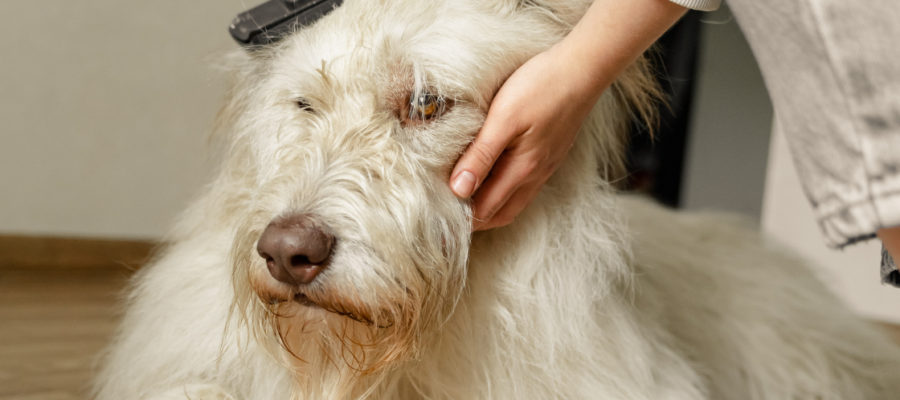

There are many similarities between humans and pets. There are even studies and photographs that demonstrate that people choose animals that resemble them both in terms of body or facial characteristics, and in terms of personality and lifestyle. Animals, especially dogs, have preferences and desires that we as owners must take into account. They may have some sensitivity and some dogs that have been abandoned or lived on the streets may experience anxiety or fear.
The best way to find out more about your dog is to constantly observe and interact with him. You will be able to experiment with different games or visits to nature with your pet. These experiences can provide you with relevant details about your dog and this way you will better understand his lifestyle and what he likes.
Below is the continuation of the previous article where we discussed the human actions that the dog does not like.
1. Excessive physical exercises
Excessive exercise harms your pet. We are noticing more and more how some dogs are tied to bicycles or taken for long running sessions in the park. The dog, like man, has a certain need for movement depending on the breed to which its personality belongs. Some dog breeds do not have anatomical features that allow them to exercise.
On the other hand, they are Pug breed dogs that can also have respiratory problems due to the anatomical structure of the respiratory system and the shape of the nose. If your pet is over 8 years old, you need to talk to your vet about establishing an exercise program: in these cases, trips to nature or too much exercise can harm your dog.
2. High temperatures
Dogs have a different temperature regulation mechanism than humans, but despite this, heat is stressful for them too. However, their fur helps with thermoregulation perspiration occurs through breathing and through the paw pads. However, the sweat glands in the paws have a limited ability to cool the body.
Provide the pet with shade if you live in a yard or access to an air-conditioned room if you live in an apartment. Additionally, offer the pet fresh water and you can also freshen it up with a bath.
3. Children
Dogs are docile, friendly and willing to interact animals. They have the ability to communicate very well with children. If they are energetic they can irritate the animal, especially if it is not used to the presence of young ones. There are well-known ways that children can catch pets: they pull their tails, ears, fur, etc.
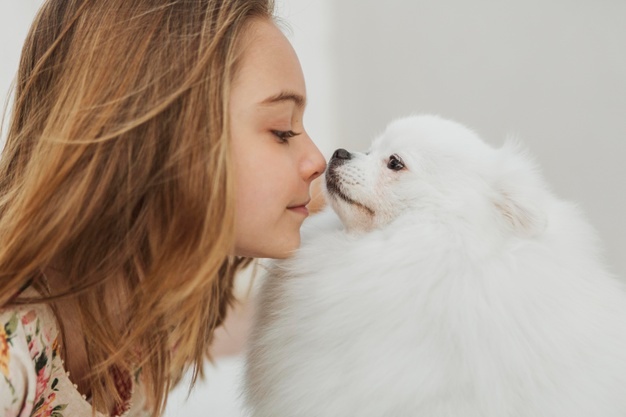
A good way to educate children to behave responsibly towards pets and especially of dogs it is explain to them that these are not toys.
4. Dogs are animals
Many owners treat their pet like a child – that’s why it’s important to remember that a dog is just a pet and should be treated as such.
There are some situations that can be frustrating for dog owners such as the red of objects in the house. This behavior can have various explanations and causes, including: stress, separation anxiety, manifestation of physical suffering or lack of adequate training.
5. Loud noises
Dogs have much finer hearing than humans, which is why high-pitched sounds can be extremely unpleasant for them. The animal is disturbed and at the same time frightened by some noises that we humans consider normal, such as: fireworks, lightning, police or ambulance sirens or other noisy cars.
You should also take into account that music played at high volume in the car can affect your dog’s hearing if you travel with him.
6. Reward
Every time you trick your pet with a treat, you need to know that you are causing him discomfort. These should be offered after placing an order in the training process. So DO NOT give treats to animals just for fun.
7. Disputes and arguments in the family
We must recognize that pets become full family members and participate in all events in the home. Sometimes there are discussions between members which can culminate in arguments and adversarial arguments.
Dogs have the ability to decode human feelings and emotions and respond – it is possible that during an argument you may even see your pet or even bark to intervene. He will feel whether something is right or not. An environment full of negativity and arguments stresses the dog and can develop anxiety or fears in the future.
8. Too much time alone
Dogs are social animals and very attached to their owners. Many times lifestyle forces us to leave the animal alone for 8-10 hours every day. This behavior has negative effects on the dog, possibly even developing emotional problems such as separation anxiety, excessive barking, destructive behavior (of objects in the house), digging, etc. Situations where dogs do their business at home are also common. They may be funny up to a point, but that’s not the case at all.
The dog with such behavior needs attention and tries to get it in one form or another. The animal is part of the family and as such we need to dedicate time and attention to it. If you don’t have a lot of time, you can hire someone to walk your pet or even take him to an animal center to pay attention to him during the day. If these options are irrelevant, be sure to spend time with him when you get home, training him in the various activities he enjoys.
We can see that there are some things considered natural for us humans, but extremely annoying for a dog, but with attention and openness you can better understand the animal around you and avoid what bothers it.
latest posts published
Are heatwaves and heatwaves coming? Here’s how to protect your dog

8 activities your dog will love

Your dog can feel happy! Here’s how:

Dog too rebellious? Here are some causes of this behavior
Basset Hound – The nobleman with long ears and a sweet heart

9 dog breeds suitable for mountain trips

Are you going to work or on holiday? Here’s everything you need to do to leave your dog safely at home

How your pet can help you adopt a healthy lifestyle
An iconic breed, much more than a lap dog