How Corgi conquered the world and the heart of Queen Elizabeth
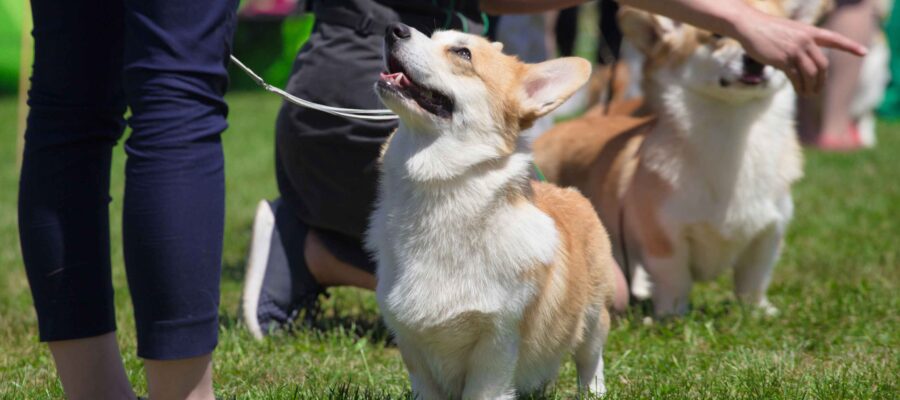
The Corgi breed has very ancient origins in Wales, dating back to the 10th century. There are two main varieties: Pembroke Welsh Corgi and Cardigan Welsh Corgi. The cardigan is older and was brought to Wales by the Celts over 3,000 years ago. The smaller and more popular Pembroke is linked to Nordic influences, perhaps brought by the Vikings who had spitz-like dogs. Both varieties were bred as herding dogs, specializing in handling livestock, taking advantage of their small stature to bite animals’ legs and quickly dodge blows.
In 1934, the Kennel Club of Great Britain officially recognized the two varieties as distinct breeds. Corgis became famous in the 20th century, especially thanks to Queen Elizabeth II of Great Britain, who owned over 30 Pembrokes during her lifetime. The breed is prized for its intelligence, loyalty, and playful personality. Despite being small in size, they have a robust build and surprising energy. They are excellent watchdogs, but also affectionate companions.
Short Legs, Big Heart: The Anatomy of a Corgi
Corgis have an elongated, stocky body, with short, muscular, strong legs, giving them a distinct charm and a specific, slightly waddling gait. The head is proportionate to the body, with a broad, flat skull between the ears, and the muzzle is conical, well defined, with a black nose. The ears are large, high, triangle-shaped, expressive and always alert. The eyes are round, medium sized, usually dark brown, with an intelligent and alert expression. The tail differs depending on the variety: in the Pembroke it is short or even naturally absent, while in the Cardigan it is long and thick. The fur is double, with an external layer resistant to atmospheric agents and a soft and dense substrate, in various colors such as red, sable, black with fire spots or blue-merle in the case of Cardigans, sometimes with white spots on the face, chest, neck and legs. The weight varies between 10 and 14 kg, and the height between 25 and 30 cm at the withers. The overall appearance is compact, balanced and full of energy.
Corgis: Loyal, playful and ready to read your emotions
Corgis have energetic, intelligent and extremely affectionate personalities, being loyal dogs that develop close bonds with their family. They are courageous and confident, often have an independent spirit, but at the same time want to be involved in everything the master does. They have a keen sense of humor, can be playful and flirtatious, but also very alert, being good watchdogs thanks to their alertness instinct. They are friendly with people and other dogs, but can sometimes be territorial and protective. He expresses his vocal personality by barking, grunting or other specific sounds. They like routine and feel safe when they know what to expect. They are motivated by rewards and attention, and if they are not sufficiently stimulated, they can become stubborn, bored or dominant. They have a careful and analytical nature and may appear to “think” before acting. They are adaptable and adapt to the emotional state of the owner, they have a warm character, but with a dose of independence that gives them charm and distinct personality.
Do you need toys, cushions or baskets for your dog? Discover dog accessories in store!
Intelligent but Stubborn: How to Train a Corgi
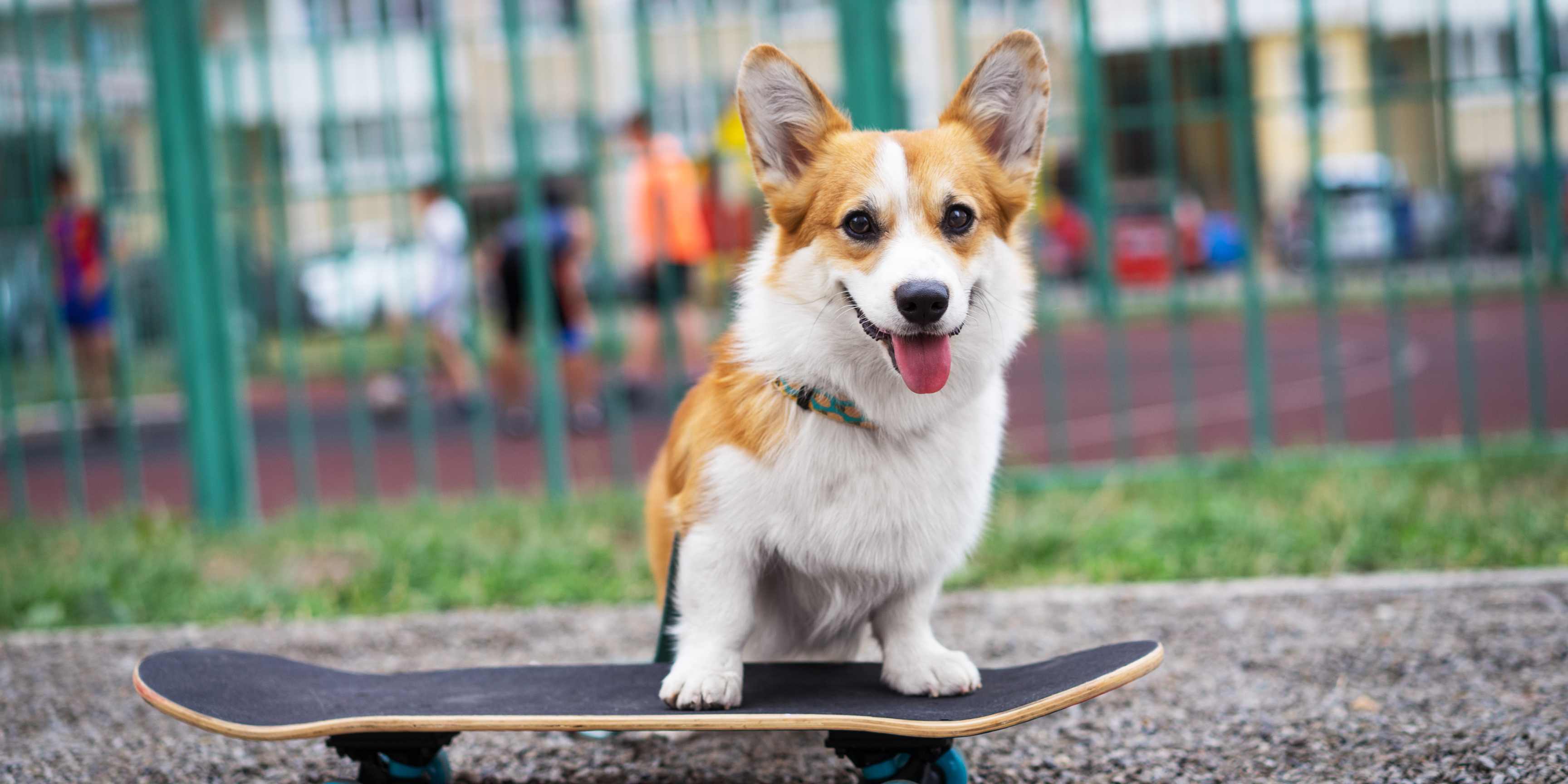
Training Corgis is efficient and enjoyable due to their high intelligence and desire to please their owner, but may require firmness and consistency due to a slight breed-specific stubbornness. These dogs quickly learn basic commands and can excel at dog sports such as agility, obedience and herding. Early socialization is essential to prevent territorial behavior or the tendency to bark excessively. Corgis can have a strong herding instinct, which means they sometimes try to “herd” people or animals, including lightly pinching their ankles, a behavior that needs to be gently but constantly corrected. They respond well to positive training techniques, with food rewards, praise and games, being motivated by food and attention.
Daily mental stimulation is important because they get bored quickly and can become destructive. Consistency in the rules, a calm but authoritative tone and short and varied exercises maintain concentration and enthusiasm. Leash training is necessary, as they can be curious and easily distracted. A well-trained Corgi is obedient, balanced and makes an extremely loyal and understanding companion.
You have delicious dog treats here!
Fur, teeth, claws and… watch out for the extra pounds!
Caring for a Corgi requires frequent brushing, 2-3 times a week, because they shed moderately all year round and abundantly in spring and autumn, having a double coat that retains a lot of dead hair. Bathing should only be done when necessary, once every few months or if they get dirty, using mild dog shampoos. Ears should be checked weekly for dirt or signs of infection and gently cleaned if necessary. The ideal would be to brush your teeth several times a week to prevent tartar and gum disease.
Check out our article Don’t make these mistakes when caring for your dog’s dental health.
Claws need to be trimmed monthly, especially if they are not growing naturally. Daily exercise is essential to prevent obesity, to which they are prone, being necessary moderate walks and active play sessions. The diet must be balanced, adequately portioned and adapted to age, activity level and any health problems. Due to the shape of the long body and short legs, it is advisable to avoid frequently climbing stairs or jumping, to prevent spinal problems.
Regular visits to the vet for vaccinations, deworming and general check-ups contribute to long-term health maintenance. A stimulating environment, constant attention and a clear routine maintain their emotional balance.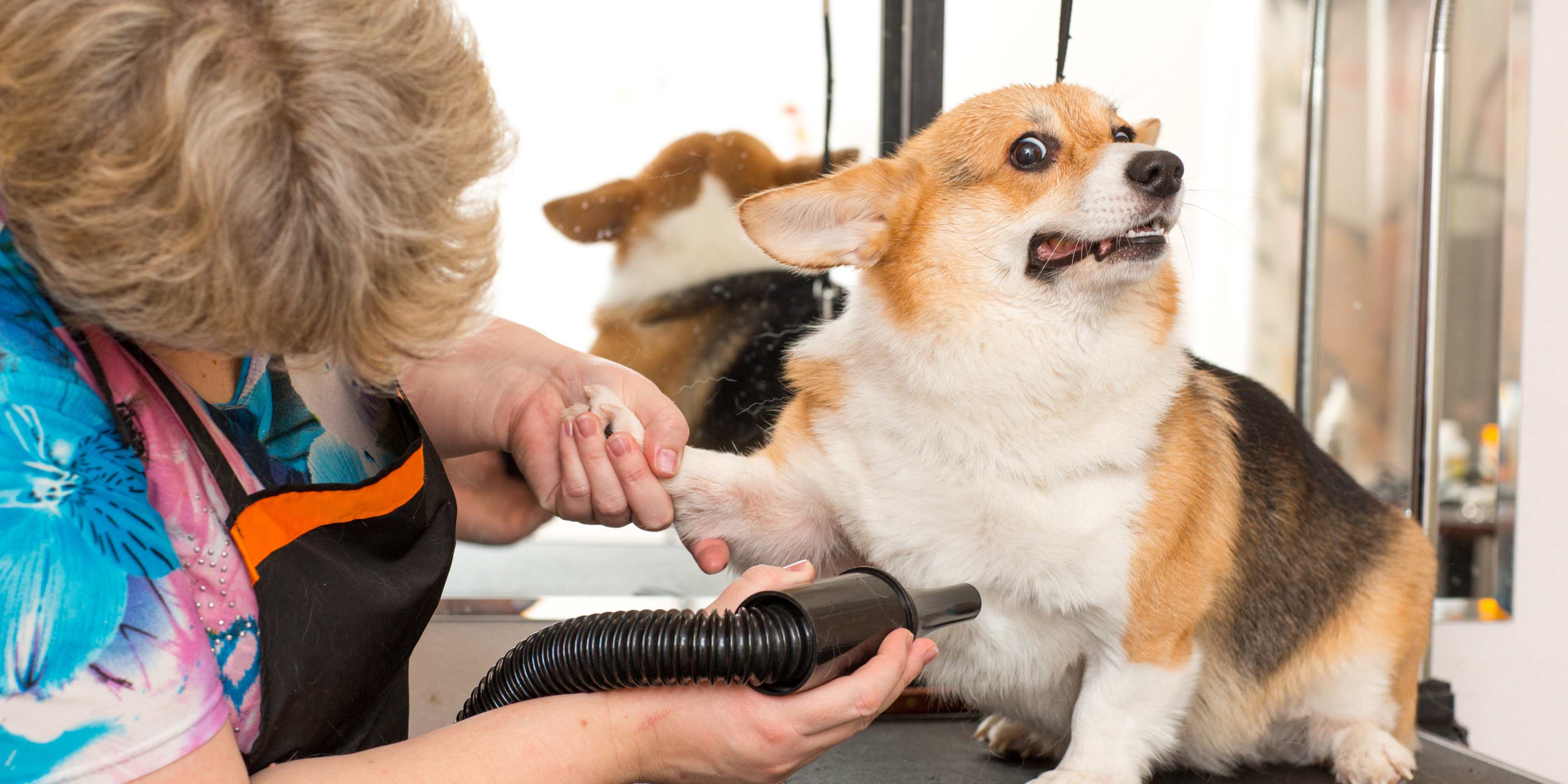
Corgis and the fairy legends of Wales
The name “Corgi” comes from Welsh and means “dwarf dog” (“cor” = dwarf, “gi” = dog). Legend has it that Corgis were used by Welsh fairies as draft and war animals, and the marks on their fur would be traces left by magical harnesses.
Corgis are one of the few dog breeds that actually “smile,” having a cheerful, open facial expression.
Even though they appear small, they have big personalities and can be natural leaders in dog groups. They are excellent at dog sports thanks to their amazing agility and speed. They have a natural instinct to “herd” people, trying to direct them by gently pinching their ankles. The Pembroke’s short tail is often the result of a natural genetic mutation, not just docking. Their fur is waterproof and protects them very well from cold and humidity. In the online environment. Corgis are among the most popular breeds, thanks to their comical appearance, funny gait, and playful personality.
Corgis bark a lot and strategically, having a varied vocal range adapted to the context.
They are sensitive to anesthetics, so caution is required during veterinary interventions. They have a long spine, with more vertebrae than other similar breeds, which gives them mobility but also a predisposition to hernias. They are curious and want to actively participate in everything that happens around them. The Cardigan and Pembroke varieties are not officially crossed, presenting differences in bone structure and conformation. I perceive human emotions very well and react to expressions and tone of voice. They have a dominant personality and are not always aware of their size, which requires supervision. Their fur is partially self-cleaning, dirt dries and falls off on its own, and their body odor is weak compared to other breeds.
Read the article too Does your dog need more exercise? Find out now.
What conditions can affect the breed and how to prevent them
Corgis are generally a hardy and long-lived breed, with a life expectancy of between 12 and 15 years, but they can be subject to some specific ailments. One of the most common problems is hip and elbow dysplasia, which can cause pain and difficulty moving, especially in older age. Due to their long body and short legs, they can develop spinal diseases, such as herniated discs (intervertebral disc disease), especially if they jump frequently or are overweight. They are prone to obesity, which can aggravate other orthopedic and metabolic problems, which is why diet and regular exercise are essential. Eye diseases such as progressive retinal atrophy (PRA) and cataracts may also occur. Some Corgis may have a predisposition to epilepsy, skin allergies, or hypothyroidism. Genetic testing of parents by responsible breeders can reduce the risk of passing on hereditary diseases.
Regular visits to the vet, maintaining a healthy body weight and avoiding excessive physical exertion contribute to a long and healthy life.
From Queen Elizabeth to Hollywood, who loved Corgis
Famous people who have had Corgi dogs include:
– Queen Elizabeth II of Great Britain – the most famous Corgi lover, received the first Corgi, Susan, in 1944, and owned over 30 Pembroke Welsh Corgis throughout her life. They are all descended from Susan and the breed has become synonymous with the image of the queen.
– King George VI – father of Queen Elizabeth, was the first member of the British royal family to bring a Corgi to the palace, on Dookie, in 1933.
– Steven King – the famous horror novel writer had a Corgi named Marlowe, who often appears in his social media posts.
– Ava Gardner – the legendary Hollywood actress was known for her love of animals, including a Corgi she had in the 1950s.
– Betty White – actress and animal rights activist loved Corgis and owned several copies over time.
– Rick Stein – the well-known British chef and TV star had a Pembroke Corgi, often featured in his cooking shows.
The Corgi breed was and is popular among celebrities for its adorable appearance, its intelligence and its loyal and cheerful character.
latest posts published
Are heatwaves and heatwaves coming? Here’s how to protect your dog

8 activities your dog will love
Your dog can feel happy! Here’s how:
Dog too rebellious? Here are some causes of this behavior
Basset Hound – The nobleman with long ears and a sweet heart
9 dog breeds suitable for mountain trips

Are you going to work or on holiday? Here’s everything you need to do to leave your dog safely at home

How your pet can help you adopt a healthy lifestyle
An iconic breed, much more than a lap dog