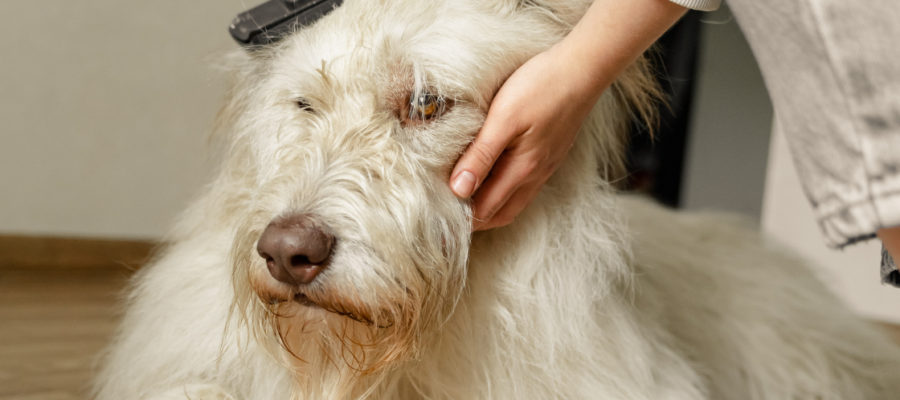

Find out today why dogs with joint problems no longer have to suffer and what practical solutions are within your reach
You may be one of the many pet owners who believe that because their dog doesn’t whine, they aren’t in pain. Just as humans don’t always express pain or discomfort, why should we think our nonverbal friends do any differently?
Although some dogs may squirm or limp in response to pain, joint problems in these animals often show more subtle signs and go overlooked or unnoticed by even the best-intentioned pet parents. Sometimes we see our dog becoming “slower”, but we attribute this behavior to aging – which is extremely false! Don’t let the classic signs or their absence distract your attention: it is very likely that your dog (regardless of whether he limps or not) has joint problems. Now is the time to find the right support for him! Furthermore, in today’s article you will discover some concrete solutions with which you can prevent such uncomfortable situations later, even for a healthy, happy, active animal that does not present pain of any kind. It is not for nothing that the principle according to which “IT IS EASIER TO PREVENT THE DISEASE THAN TO CURE THE DISEASE” is very often found in medicine.
Signs of Joint Problems in Dogs
- If you want to have a complete list of the signs of these pains in your dog, you can consult the following list. This list can show you very quickly if your pet needs help, due to the pain or discomfort I just talked about before:
- Follow the signs of an attitude characterized by high irritability
- Pay attention to the moments when the dog falls behind during the walk
- Is it harder to get up in the morning?
- Other signs include: stiffness, lameness, or slowness
- The need for more sleep or laziness
- Decreased enthusiasm for games and walks
- Reluctance to jump into a car or go up or down stairs
- Excessive licking of a sore joint
- Visible signs such as swelling of some joints
- Loss of muscle mass
- Skiing to touch
- Perform the “bunny hop” while running (jump forward in a crouched position)
Now comes the practical test: think about these symptoms; or make sure that from now on you will be more careful in observing them, starting from the initial forms.
Don’t take this problem too lightly: joints are not something “minor”, but they can affect a dog’s entire quality of life. Furthermore, if left untreated, these problems can lead to extremely serious problems, weaken or even impede the mobility of animals. The pain will increase and we will eventually have to pay for more aggressive interventions and treatments, such as surgeries.
At this point you may be wondering: where do all these problems come from? Is it something hereditary, due to race? Did I eat the wrong food? Does obesity also play a role here? Was there an accident or an untreated trauma involved, perhaps one I didn’t even know anything about? Or is it just a question of age?
A brief explanation: what causes joint pain in dogs
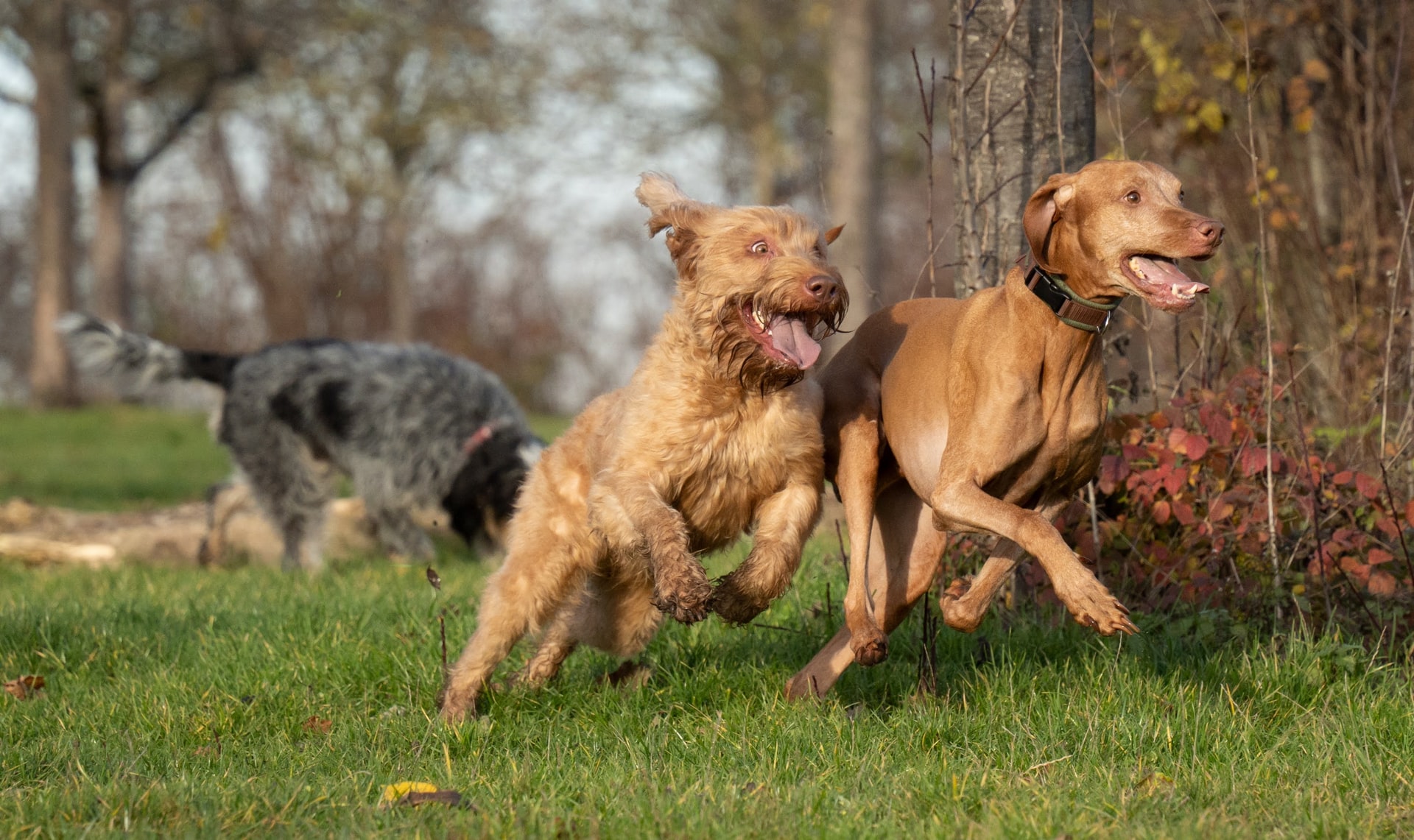
Since I have just listed many “traces” above, it is normal to ask yourself now: What causes these joint problems in dogs?
A first answer would be this: joint problems in dogs are divided into two broad categories: evolutionary and degenerative. Let’s explain them one by one:
Developmental problems occur when the joint or ligament does not develop properly, preventing it from functioning as it should.
Degenerative conditions, on the other hand, cause the ligaments around your dog’s joints to “deteriorate” (or regress) over time. Similar to humans, your dog’s joints must be properly cared for (through things like proper nutrition, stretching, exercise, etc.) otherwise they can start to weaken, break down, and cause discomfort for your dog. There are various diseases that can affect dog joints (we have collected here those most frequently found in specialized literature and in materials published by veterinarians):
- Diseases of ligaments, tendons or muscles that may worsen over time
- Joint fractures
- Congenital disorders (present from birth), such as Wobbler syndrome or a dislocated kneecap
- Food or hormonal diseases
- Metabolic disorders
- Cancer
- Inflammatory joint diseases, such as Lyme disease or rheumatoid arthritis
How did he get here?
Joint health can be put at risk for multiple reasons:
As dogs age, the articular cartilage gradually wears away. Both older and younger dogs can suffer from joint problems. Some breeds are more prone to developing joint disorders. “At risk” dog breeds include Labrador Retrievers, Golden Retrievers, German Shepherds and Rottweilers. Excess weight places undue stress on your dog’s joints and cartilage. Cartilage trauma can lead to joint stiffness later in life and negatively affect mobility.
- CONGENITAL OR HEREDITARY DEFECTS
Some breeds may have congenital or hereditary conditions that make them more prone to developing joint problems later in life.
Are there solutions to reduce pain and properly invest in the healing of our dogs’ joints?
This natural question, which comes after I have shown the symptoms and causes of joint pain, needs a complete answer and the certainty that “yes, there is support!” We have at our disposal a number of solutions, approaches and things we can try to stop the suffering of our friends who do not speak. Chronic pain is not something that should bring suffering and destroy the quality of life of any being, especially when it is under our care and we have at hand the right means to change things.
We don’t have to “guess”. So far, science has provided us with a whole host of options that can reduce the pain associated with joint problems in dogs. Let’s start from the beginning…
If your dog has been diagnosed with joint pain, one of the best things you can do for him is to make sure he is at an optimal weight. Why? It’s no secret: Obesity is a big problem in dogs (as we said above), and this excess weight that the body adds to your dog’s joints will make the signs of arthritis worse. An overweight dog will have to endure much more pain than an underweight dog. Weight loss can significantly reduce the signs associated with joint pain in many dogs. Ask your vet if your dog should lose weight, and come up with a weight loss plan if necessary. If you’ve already started a weight loss program but haven’t been able to get results, maybe it’s time to switch to another weight loss food.
Joint pain can also be controlled using anti-inflammatory medications. These medications are only available by prescription from your veterinarian and should not be used excessively as they may have side effects or mask more serious problems.
A proper supplement may be the key
Joint supplements are gaining traction; now, in 2021, there is more and more interest in these supplements, in the canine world, as an alternative to prescription painkillers.
Discover the entire range of Glyco Flex products from Vetriscience in the shop, a high quality joint supplement
Why choose these supplements? The GlycoFlex series represents a collection of reliable products, recommended by veterinarians for over 40 years. GlycoFlex is clinically proven to increase hind leg strength in dogs by up to 41% in just 4 weeks.
These supplements are divided by the manufacturer into three categories (called GlycoFlex 1, 2 and 3), recommended depending on the age or severity of the problems they face. Items are available as:
- Bottles with palletisable tablets
- Bags of gummy tablets
Both variants are very tasty and easy to administer. In most cases, dogs eat them on their own, without having to intervene forcefully in their administration.
The GlycoFlex formula contains a powerful blend of proven joint support ingredients including; chondroitin, glucosamine and MSM. The special ingredient is Perna canaliculus – a green, whole food – green mussels – which provides building blocks for cartilage and synovial fluid, which keep joints protected, lubricated and help them function optimally. The cushion, sourced from the clean waters of New Zealand, provides essential omega fatty acids, glucosamine and amino acids balanced by the inputs and work of nature, not those of chemists.
Safe. Studied. Efficient. Veterinary formulas. Recommended by specialists for over 30 years.

GlycoFlex Joint Support is available in different levels to help you get the right level of support for your pet. Here are some brief presentations and the manufacturer’s recommendations regarding administration:
GlycoFlex 1: The power base starts here
Designed to encourage healthy joint living for all dogs and especially those prone to hip and joint health problems, GlycoFlex 1 includes Perna canilicilus, glucosamine and dimethylglycine. This combination of green mussels, glucosamine and DMG provides the key nutrients needed to build healthy cartilage and support normal joint function. GlycoFlex 1 is a proactive joint supplement, great for growing and active dogs.
These delicious chicken liver flavored tablets are recommended by vets for chickens and dogs that need a good joint base from an early age.
It is recommended to use during the meal or immediately after the meal.
GlycoFlex 2: Moderate strength
GlycoFlex 2 offers joint support suitable for working dogs or agile, competitive dogs, especially if they are just starting their active lifestyle. This formula includes all the benefits of GlycoFlex 1 plus the addition of MSM, which can help with discomfort caused by daily activity. GlycoFlex 2 is also recommended for dogs showing early signs of aging and hip and joint disorders or for those who have undergone orthopedic surgery as a postoperative medication. They are available in the form of delicious chicken liver flavored tablets.
GlycoFlex 3: maximum strength
GlycoFlex 3 is recommended for active dogs to support bone and joint health, as well as connective tissue functions. This clinically proven formula includes high levels of glucosamine, MSM and Perna canaliculus for maximum joint support, as well as manganese, vitamin C and glutathione (a compound involved as a coenzyme in oxidation reactions in cells) for better absorption and enhanced immune support. GlycoFlex 3 is also recommended for pets showing more severe signs of aging and discomfort, as well as limited mobility.
These delicious natural chicken flavored tablets are recommended by veterinarians and post-ops in case of orthopedic surgery.
GlycoFlex Plus: maximum resistance
The newest member of the GlycoFlex family, GlycoFlex Plus offers all the benefits of chondroitin (a compound that is an important component of cartilage and other connective tissues) added to the GlycoFlex 3 formula. Chondroitin supports the connective tissue in the joint by absorbing joint fluid for improved lubrication. This is the most advanced joint support formula for complete joint health support. GlycoFlex Plus comes in a soft, easy-to-chew, duck-flavored supplement, perfect for meeting the needs of pets who may react poorly to chicken products.
At any age, in any condition, choose GlycoFlex joint supplements, offered by the dog pharmacy Petmax.ro!
latest posts published
Are heatwaves and heatwaves coming? Here’s how to protect your dog

8 activities your dog will love

Your dog can feel happy! Here’s how:

Dog too rebellious? Here are some causes of this behavior
Basset Hound – The nobleman with long ears and a sweet heart
9 dog breeds suitable for mountain trips

Are you going to work or on holiday? Here’s everything you need to do to leave your dog safely at home

How your pet can help you adopt a healthy lifestyle
An iconic breed, much more than a lap dog