

1. Brushing and fur care
Regular brushing is essential for maintaining optimal health and reducing the risk of hairball formation. Depending on the type of hair, a suitable brush is required. Long-haired cats need more frequent brushing, while short-haired cats can be brushed once or twice a week.
Discover in store some vitamins and supplements for cats (also for the beauty of the fur) at a special price!
2. Occasional bathing and washing techniques
Most cats take care of their personal hygiene, but there are situations when bathing is necessary. Bathing your cat can be a delicate task, but with the right approach and a little preparation it can become a more enjoyable experience for both of you. Here are some tips for bathing your cat:
– Make sure the environment in which you bathe your cat is warm and comfortable. Choose a sink or tub with water at an appropriate temperature and prepare all the necessary materials in advance.
– Use a shampoo specially designed for cats that is gentle on their sensitive skin. Avoid using human products as they can irritate your cat’s skin. Order a new cat shampoo or conditioner here!
– If the cat is not used to the bathroom, start by gradually introducing it to the environment. Let him get used to the water without forcing him into the tub or sink.
– Gentle and firm: Cats can feel anxious while brushing their teeth, so use a firm but gentle hand. Avoid hurting the animal and speak in a calm tone to comfort him.
– Protect your cat’s ears and eyes from water by using a piece of cotton for each ear and being careful not to get shampoo into the eyes.
– Thoroughly rinse the shampoo from the cat’s fur. Shampoo residue can irritate the skin and cause itching or discomfort.
– After washing, dry the cat’s fur carefully, using a soft towel. Avoid using a hairdryer because the noise and heat can stress the cat.
– Reward the cat with cuddles, kind words and maybe even a favorite snack. Associating grooming with positive experiences could make the cat more cooperative in the future.
3. Claw care
Sharp claws are natural for cats, but they need to be managed properly. Provides sisal with poles For to allow them to use their claws and at the same time to avoid damaging your furniture – Check out the new sisal and playset options in our store – you have various materials, with sturdy frames, in different models. If the claws become too long, you can carefully trim the tips using pet scissors.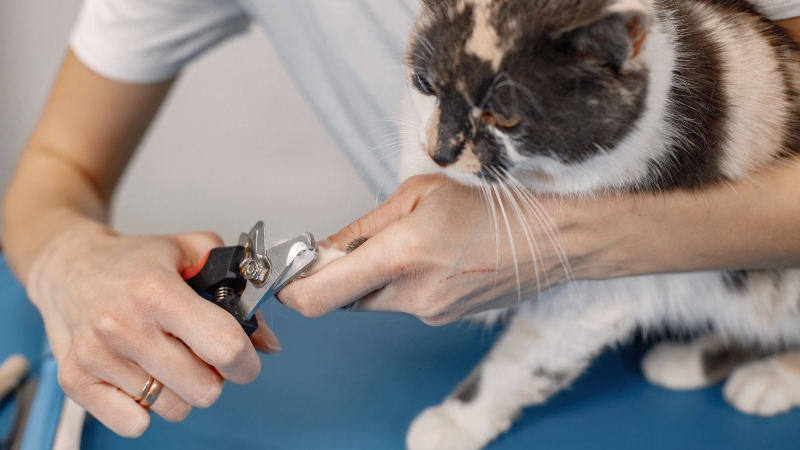
4. Weight management and correct nutrition
Check your cat’s weight and make sure the food you give him is balanced and appropriate for his age and activity level. Cats need a diet rich in protein and essential nutrients. Consult your veterinarian for advice specific to your cat.
Read also Therapeutic benefits of cats: better development and health of children.
5. Ear and eye care
Clean your cat’s ears and eyes regularly to avoid the buildup of earwax or secretions. Use a specially formulated solution to clean the ears and remove dirt around the eyes with a soft cloth. If you notice signs of inflammation or abnormal discharge, consult your vet.
6. Periodic visits to the veterinarian
Regular veterinary visits are essential to maintaining your cat’s overall health. The vaccination program, dental checkups, blood tests and other periodic evaluations are essential for the prevention and early diagnosis of health problems.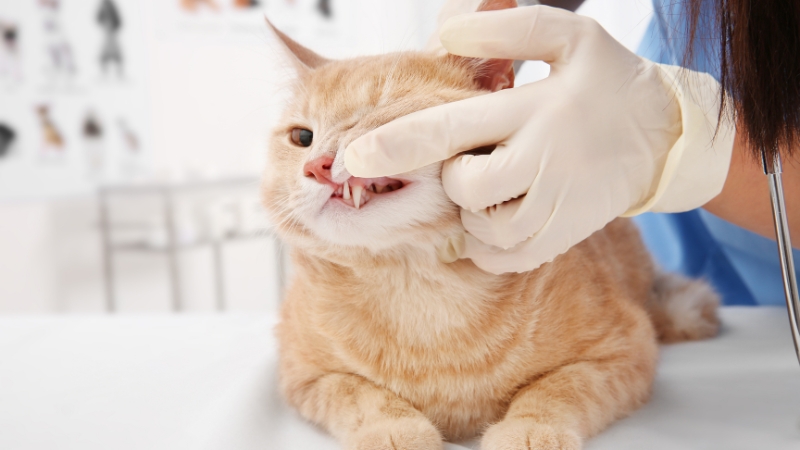
7. Toys and activities for mental stimulation
Cats need mental stimulation to avoid boredom and maintain healthy behavior. Offer them a variety of toys and create an interactive environment to encourage them to put their mind and body to work.
Read also How to protect your cat from household risksin an article recently published on the Petmax.ro blog.
8. Elderly care: extra attention
For older cats, grooming needs may evolve. Increased attention to oral hygiene, more frequent visits to the veterinarian, and dietary adjustments may be necessary to respond to age-related metabolic and health changes.
9. Relaxation and rest
To rest, cats often prefer a comfortable and safe place. Therefore, one of your cat’s favorite places to nap is under the bed or on the edge of the sofa, where the sun warms his body. You can create ideal resting places by providing a comfortable space in a quiet, undisturbed area of your home.
Raised windowsills are also ideal areas for your cat to get an overview of the world around him. For some cats, these elevated areas can also be a favorite place to nap.
Don’t miss the tips in the article about Common mistakes owners make when feeding cats and tips on how to avoid them.
In short, Effective cat care involves special attention to detail and a constant connection with your pet. By applying these tips and tricks, you will help maintain your cat’s optimal health and happiness, creating a long-lasting, loving relationship.
latest posts published

Are heatwaves and heatwaves coming? Here’s how to protect your dog

8 activities your dog will love

Your dog can feel happy! Here’s how:

Dog too rebellious? Here are some causes of this behavior

Basset Hound – The nobleman with long ears and a sweet heart

9 dog breeds suitable for mountain trips

Are you going to work or on holiday? Here’s everything you need to do to leave your dog safely at home

How your pet can help you adopt a healthy lifestyle

An iconic breed, much more than a lap dog