If in the case of a dog the manifestations of love are more evident, for example the cat’s excitement or wagging its tail, it tends to show affection for the owner differently. To better understand the messages behind the feline’s behavior, we must dedicate constant attention and freedom of expression to it. By interacting with the cat on a daily basis, we can identify some health problems in time.
To better understand cat behavior it is necessary to observe a little the manifestations of felines in nature. These are self-sufficient animals, which tend to provide for their primary needs by relying on their own strength.
Cats have a certain language of love that is often in opposition to the human one, but this is precisely the beauty of discovering and understanding the animal we have next to us. Certain behaviors are strange for us humans but as normal as possible for the feline. In the world of cats there are different ways to express affection. Below we have selected the most common manifestations of love for cats:
1. Torso
Although it has been studied quite a bit, the torso is still a mystery to veterinarians and animal trainers. From a physiological point of view, this manifestation involves a vigilant movement of the diaphragm and contractions of the muscles in its area (about 20-30 times per second). As the cat breathes, air enters the chest cavity and passes through the vibrating muscles producing the bust.
Most cat lovers recognize that it is the most common and obvious way in which the cat shows its happiness and love. The most pleasant moments are when the cat greets you by purring or when it sits down properly to be petted or brushed. The torso is the cat’s way of expressing its relaxation and joy towards someone or something. For example, if he sleeps next to you and purrs, it is a clear sign of affection: he shows his joy and recognizes you as his owner. Scientists have noticed that cats also purr when they are going through a stressful period or an episode of anxiety.
2. A nap in your arms.
Cats usually sleep up to 16 hours a day, the rest of the time is spent toileting, eating and playing. The cat retains some instinctive behaviors such as ensuring sleep safety: in nature there are many predators and the feline has developed mechanisms that help it adapt to a potentially dangerous environment. Although the feline has been domesticated, it retains the need for protection and, at the same time, is attentive to the environment around it.
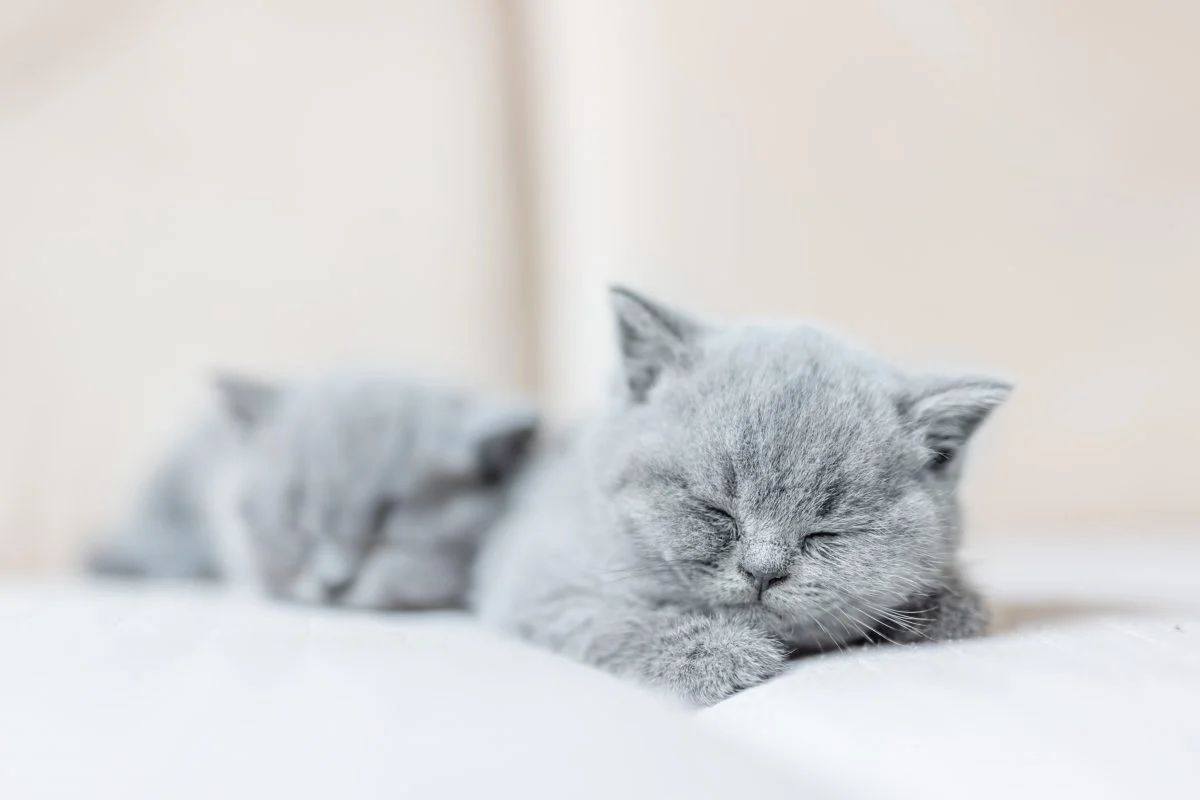
Since it is most vulnerable when sleeping, the cat will choose a safe and reliable place to rest. One of the most beautiful proofs of affection you can receive from your pet is that of choosing to fall asleep near you or on your lap. In this situation, the message is simple: I feel loved, I have confidence, and I am safe with you. Most of the time you will hear her purring when she sleeps next to you.
3. A gaming session
What could be more fun than watching the cat roll around at your feet? It can bring your favorite toy to invite you to play. Honor this invitation appropriately.
4. Territory marking
Have you arrived home and the cat greets you and curls up at your feet? Well you should know that this is a test of affection but also of marking the territory. The cat is an independent, possessive and sometimes jealous animal, so much so that when it circles you it does nothing but mark its territory by sending you the message: you are mine and I love you! When the cat has its tail pointing up but the tip turned and looking at you, it is curious but at the same time expresses a friendly attitude. In addition to this, the cat will want to play and will demonstrate its willingness to do so.
5. Bites
One of the most unpleasant manifestations of the cat, but at the same time a sign of… love and affection. It is clear that we humans do not understand the cat’s love language and are disturbed when the cat bites or scratches us.
When the cat clings to your hands or any other part of your body, it does not intend to hurt you, but rather to groom you and take care of you. This habit is transmitted by the puppies’ mother when she cleans their fur, so it is a sincere desire to… clean you.
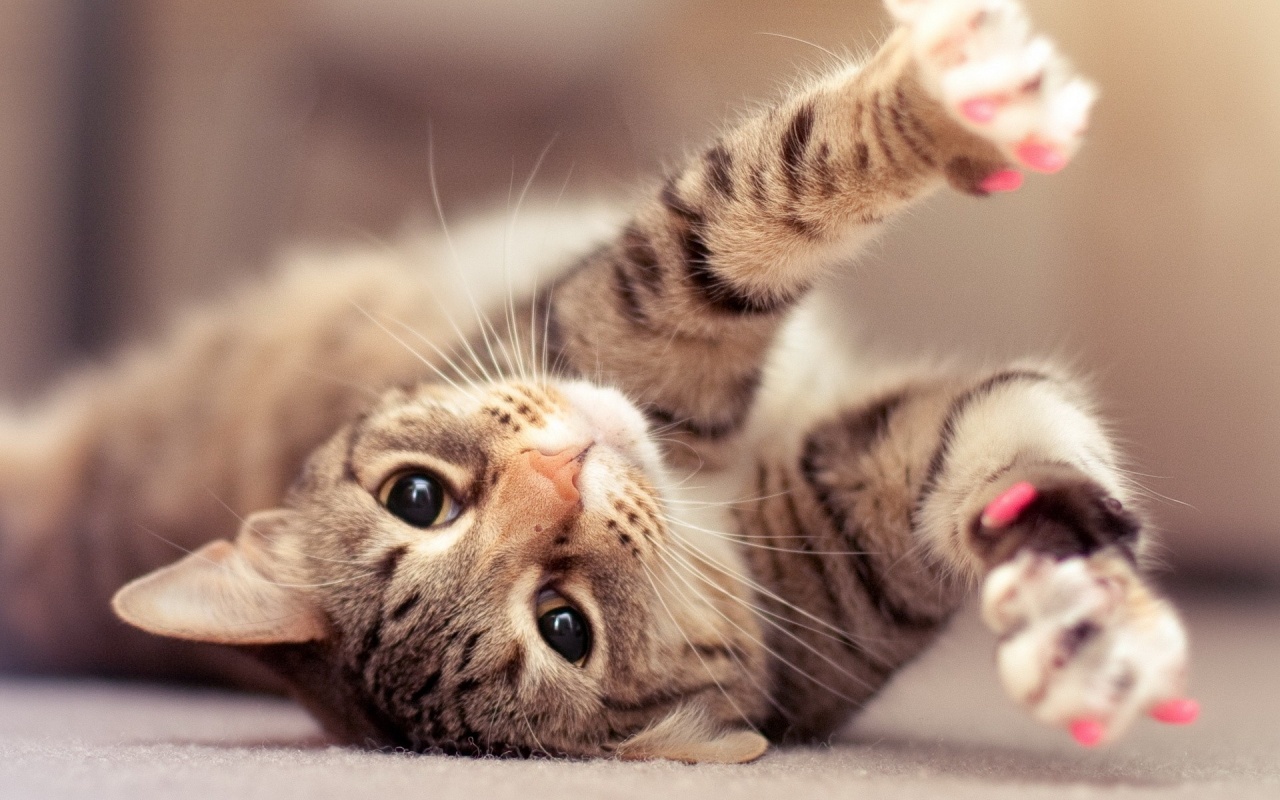
6. Roll and roll in front of you.
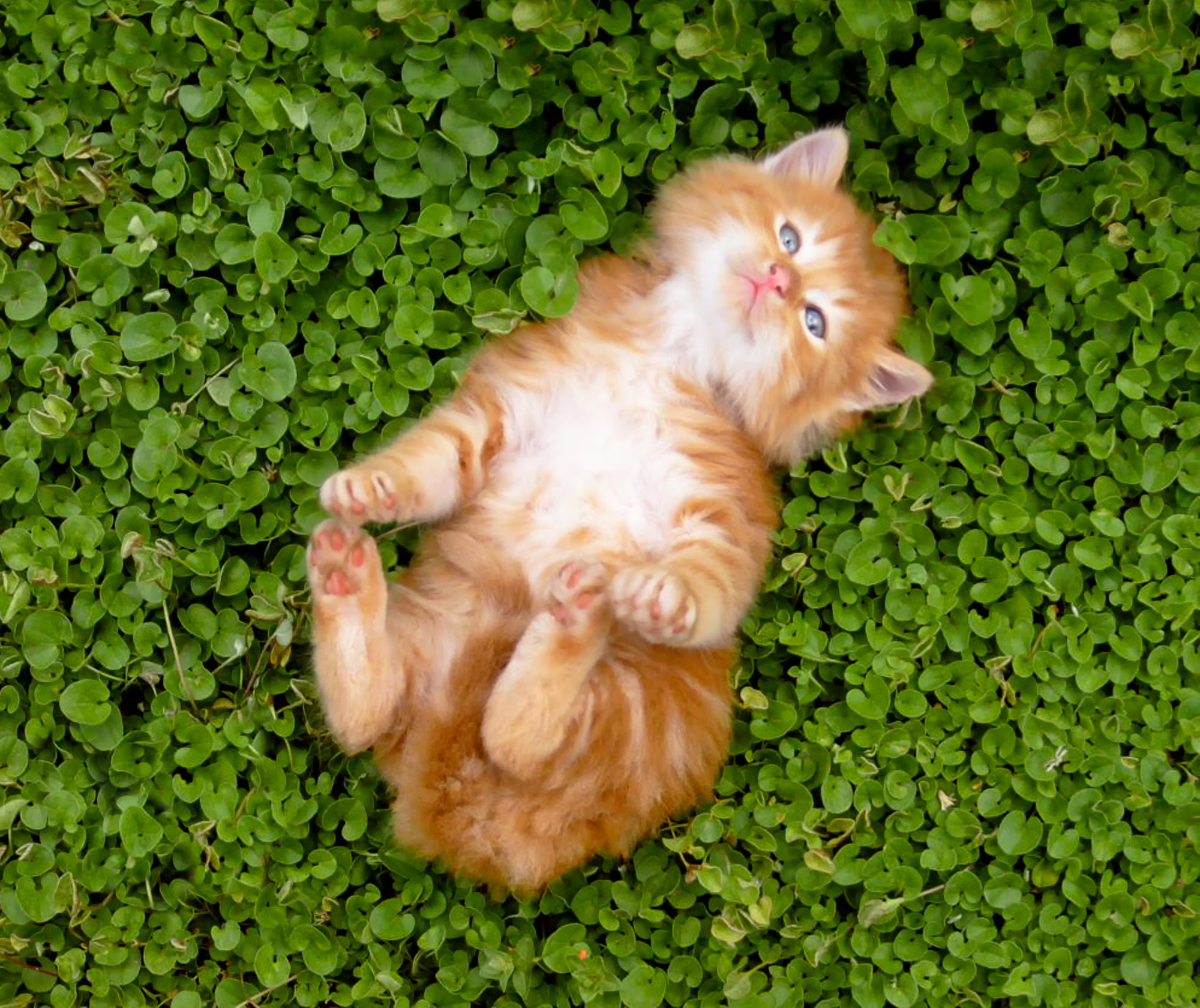
Does the cat sit on its back, turn over and expose its abdominal area? You need to know that he will send you the message that he feels 100% safe and comfortable with you. If you let your abdomen be petted and touched, it is a greater display of affection: cats tend to protect this area, being extremely vulnerable.
7. Scratching
One of the most common feline manifestations and perhaps the most unpleasant for us humans. By scratching a certain surface, the cat will leave some substances that have the role of marking the territory. These are olfactory and visual landmarks. Observe the place where the cat scratches most and most often: the areas chosen by the cat are important for her because she associates them with the owner.
All these manifestations can be more or less unpleasant, but we must take into account that they are part of the feline nature and this is its natural way of expressing itself, even if we like it even if we don’t like it. All we have to do is accept the cat’s needs as well as its ways of showing love and affection and, at the same time, treat it with care and love.
latest posts published

Are heatwaves and heatwaves coming? Here’s how to protect your dog

8 activities your dog will love

Your dog can feel happy! Here’s how:

Dog too rebellious? Here are some causes of this behavior

Basset Hound – The nobleman with long ears and a sweet heart

9 dog breeds suitable for mountain trips

Are you going to work or on holiday? Here’s everything you need to do to leave your dog safely at home

How your pet can help you adopt a healthy lifestyle

An iconic breed, much more than a lap dog