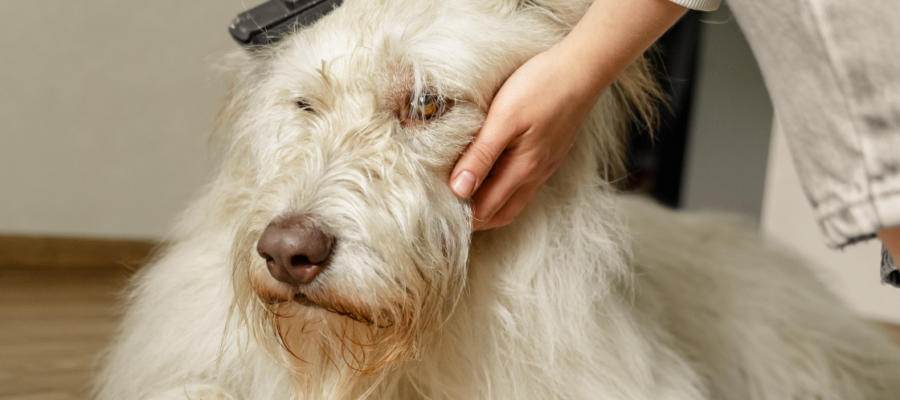
Dogs have different personalities. However, there are some traits common to all breeds. When we label an animal as stubborn, it means we don’t really know.
During dog training you may find yourself faced with opposition from the animal. Does he refuse certain commands or has rebellious behavior? Before judging the animal or punishing it, it is necessary to understand the reasons behind these manifestations. Some people believe that the animal should obey the owner and simply follow his commands exactly. Well we must recognize that this is a dysfunctional principle and obviously the dog will choose what he likes. In most cases, the way we interact with other people is the same way we interact with our pet. He certainly doesn’t like an approach based on coercion.
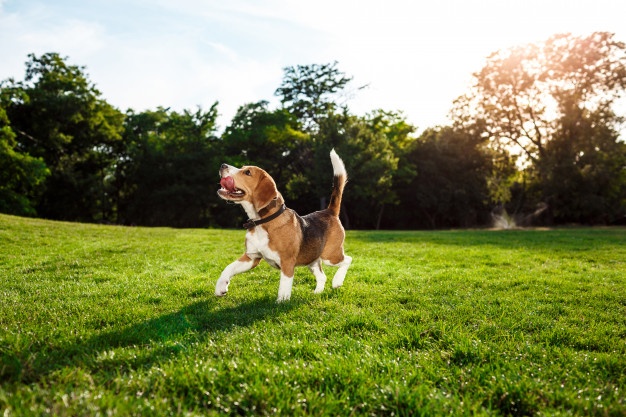
You, as the owner, must provide the animal with the necessary support to feel comfortable and cooperative. A constructive partnership with the animal is based on trust and unconditional support. The revolt and refusal to collaborate with the owners have some causes related to the physical and psychological structure of the dog. Thus, you can identify explanations for the unbalanced behavior and resistance of the animal in terms of execution of commands. The causes can be classified into 2 categories: some biological, others behavioral. The good news is that there are some tips you can use to improve your dog’s response.
There are several reasons why your dog does not respond to your messages and avoids following commands during training:
1. Causes linked to the psycho-emotional structure of the animal.
Whether we walk around the park or visit a pet playground, we are sure to encounter someone “fighting” with their pet. From the outside it seems that the animal is simply avoiding the owner’s commands. In these cases we can observe the master’s impotence in the face of this situation, or his revolt. People are often tempted to explain pet behavior by reference to human existence.
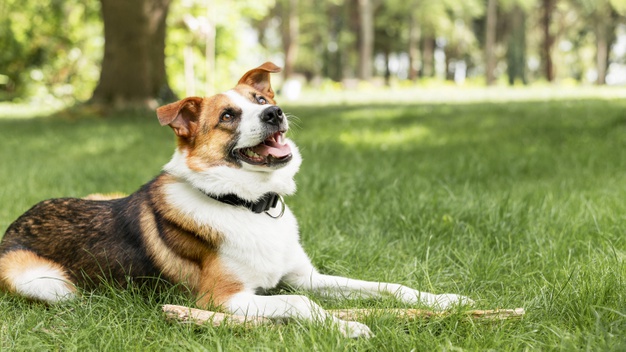
Observe the animal and how it communicates and relates to you. The human-dog relationship is different from human interaction. Although humans and animals have interacted for thousands of years, dog behavior is still poorly understood. Although we relate intensely to the animals around us, we must admit that sometimes we do not fully understand the way the dog perceives the world around us.
This can be understood if we recognize that animals have different sensory perception than humans. Their sense organs are equipped with greater sensitivity. All of the animal’s emotions and behaviors can be detected through observation. Nonverbal language is very important when interacting with your dog, especially in situations where he refuses commands or you can’t understand his reactions.
Specialized instructors show us that some dog manifestations have other causes, different from those linked to human behavior. First of all, the animal will refuse a certain command when it associates it with displeasure, pain or physical or emotional discomfort. In these cases the owner must examine the relationship with his animal to understand the causes of his rebellion.
2. The dog cannot hear/see or detect the command correctly
Dogs are pragmatic animals. They learn through repetition, so it’s important to be consistent when giving commands. In this way the animal will learn to recognize verbal and visual instructions and signals. Also, make sure the training environment is quiet.
Help your dog fully assimilate commands before exposing him to busier spaces like the park or city. Busy and crowded environments can distract your dog. The animal uses vision to understand the verbal message and must be able to hear the verbal signal clearly. This way you will be able to give a clear command and the dog will be able to learn correctly.
3. The smell
It is undoubtedly the dog’s most important sense. This is the first filter of perception of the world. On the other hand, sight is our primary sense. The dog’s sense of smell is much more developed than that of humans. The researchers pointed out that it is 10,000 to 100,000 times sharper. Dogs have around 300 million olfactory receptors in their noses while humans only have 6 million. Furthermore, the part of the dog’s brain that analyzes odors is 40 times larger than that of humans.
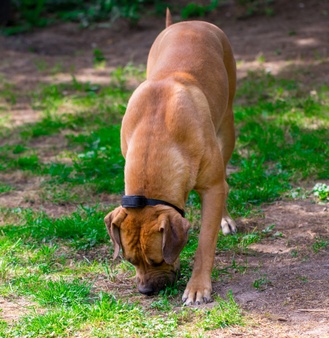
Dogs’ noses have additional functions that are different from those of humans. While humans breathe in and smell through the same channels, dogs have a membrane that separates the two functions. This makes it clear why a dog is able to perceive fine odors and aromas and in this sense its abilities are clearly superior to those of humans. They detect information and subtleties from smells that we humans simply cannot understand.
Just as a visually stimulating object can distract a human, an interesting and atypical smell can affect a dog’s concentration. Therefore, the animal can have unpredictable reactions, and you, as the owner, do not understand the cause. In this case, a neutral environment will help the animal maintain concentration during training sessions. When you notice that the animal is sniffing the ground, respect it. When the dog intensely sniffs the ground, even the most interesting command can be completely ignored.
The above information will help you understand the causes of your dog’s resistance and lack of attention. Any unpleasant episode with your dog is an opportunity to improve your relationship with him and to better understand his behavior.
latest posts published
Are heatwaves and heatwaves coming? Here’s how to protect your dog

8 activities your dog will love

Your dog can feel happy! Here’s how:
Dog too rebellious? Here are some causes of this behavior
Basset Hound – The nobleman with long ears and a sweet heart
9 dog breeds suitable for mountain trips

Are you going to work or on holiday? Here’s everything you need to do to leave your dog safely at home

How your pet can help you adopt a healthy lifestyle
An iconic breed, much more than a lap dog