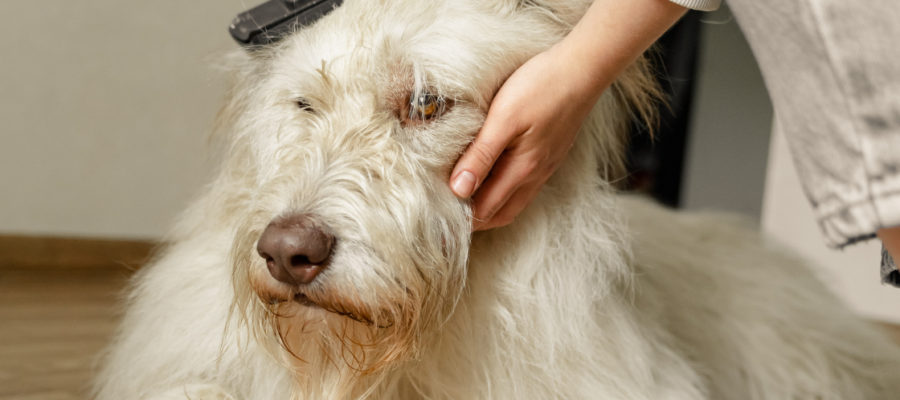

Any animal lover does not like their suffering. The closer the bond with the animal, the more difficult it will be to bear the pain due to an illness or accident. Because dogs lack the ability to speak, it can be difficult to assess their health. There are situations where animals suffer in silence and some diseases can be diagnosed too late. Knowing the dog’s personality helps us identify those signs, some more obvious, others less so, that could indicate his pain. They can be part of 2 categories: suffering caused by an accident, trauma or pain caused by an illness.
The main signs of dog suffering are:
- He is agitated, growling or barking
- Show sensitivity when you touch a part of his body
- Deny execution of certain commands
- He is irritable and has aggressive behavior
- He may be quieter, less active and has a tendency to hide
- He limps or hesitates to move at certain times
- He refuses food and is apathetic
- The breathing rhythm is atypical: fast or shallow
Therefore the animal’s signs of distress are as obvious as possible and you, as the owner, are responsible for detecting them. To make this process easier for you, we created it a list of the main manifestations of a dog in difficulty:
1. Lack of appetite
Food is the main point of interest for any animal. This is the most important necessity when it comes to survival. Living conditions in the natural environment differ significantly from those in the apartment or house. In the enclosed space the animal has constant access to food. The dog appreciates both daily food and rewards or even attention from the table.
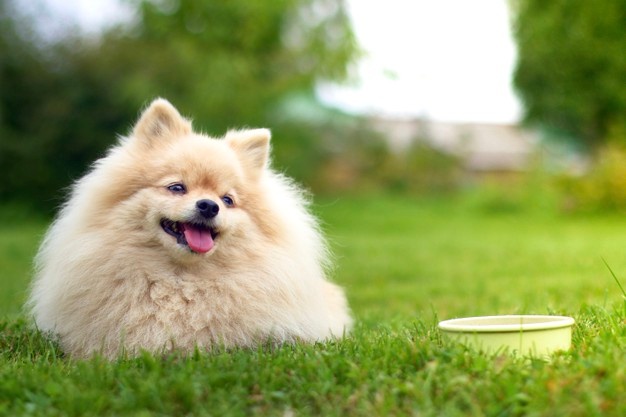
Observe the animal’s attitude towards food: this way you will understand what the optimal amount of food is and its food preferences. A warning sign is if the animal refuses food or appears to have no appetite. Refusing food can have several causes, including: the presence of an infection in the body, parasites, stomach disorders, and even diabetes or cancer.
2. Unexpected aggression
You may have noticed that sometimes your dog doesn’t feel like carrying out certain commands or tasks. This is normal up to a point. The dog can experience the so-called “gloomy days”, just like humans. In such circumstances, it is necessary to give him space and peace. As the pet ages, these moments may become more frequent. Specialists point out that this behavior is associated with the aging process.
However, it can be a sign of distress if an adult dog shows repeated episodes of aggression, apparently for no reason.
3. Postural changes
The dog is an animal that has the ability to transmit numerous messages with the help of non-verbal language. By carefully observing the dog’s body we can anticipate possible reactions. When our joints hurt, we have a habit of stretching the respective area to release the tension. Dogs, like humans, perform the same stretching movements when faced with physical pain. Atypical body positions can signal some physical pain.

4. Retire to the place intended for rest
The animal wants the love of its owner, which is why it will always try to attract his attention. It feels familiar and at the same time amusing when we observe how the dog tries to capture our interest. He is happy when the teacher plays or interacts with him. An alarm sign may be if the animal rests often or is apathetic. A dog that retreats to an isolated area, such as under the bed, may experience anxiety or stress. This is always an indicator of illness because dogs are active animals and eager to constantly interact with people.
5. Lack of energy
The dog is an active, energetic animal and requires physical movement. Puppies and young dogs have a higher level of energy that needs to be expended. Consistent disinterest in daily exercises or walks indicates a physical problem.
6. Frequent urination and increased water consumption
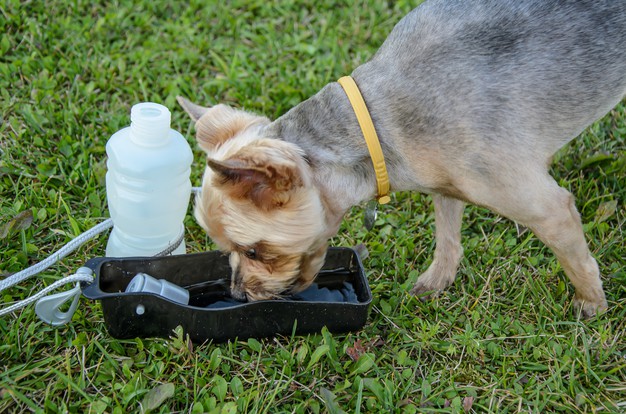
A dog that consumes more water than its normal ration and urinates can often suffer from diabetes or suffer from various kidney problems. These diseases lead to the weakening of the body and the dog feels a constant need for hydration.
7. Enlarged or swollen abdomen
If your pet exhibits bloating after eating, it is advisable to contact your veterinarian. An enlarged abdomen can be due to a series of problems such as: hormonal imbalance, food allergies or intolerances, intestinal infections caused by bacteria, etc.. When the abdomen is dilated beyond measure, the animal’s respiratory system will be overloaded and the dog will have difficulty breathing.
8. Excessive loss
This phenomenon is normal for a dog. Additionally, some breeds give birth seasonally, while others give birth year-round. It depends on your dog’s coat type. In autumn and spring a greater amount of fur is lost. A warning sign is when you notice your pet losing clumps of hair and fur. They can come from the whole body or just from a certain surface. Excessive loss can be caused by a skin disease, a vitamin or mineral deficiency, a food allergy or intolerance, and stress.
9. Grooming
Animals have the ability to keep their bodies clean and this is an activity performed constantly. This process requires a certain level of commitment. A dog that neglects its body and daily grooming may have a health problem. An apathetic and energy-deprived animal will not be able to take care of itself.

The dog requires care, attention and lots of love. So we need to focus on interacting with it and understanding it. However, at certain times it is quite difficult to identify the signals that convey the dog’s suffering.
The best recommendation in this regard is to observe the manifestations and behavior of the animal around you on a daily basis. This way you can help him stay healthy and happy.
latest posts published
Are heatwaves and heatwaves coming? Here’s how to protect your dog

8 activities your dog will love

Your dog can feel happy! Here’s how:

Dog too rebellious? Here are some causes of this behavior
Basset Hound – The nobleman with long ears and a sweet heart
9 dog breeds suitable for mountain trips

Are you going to work or on holiday? Here’s everything you need to do to leave your dog safely at home

How your pet can help you adopt a healthy lifestyle
An iconic breed, much more than a lap dog