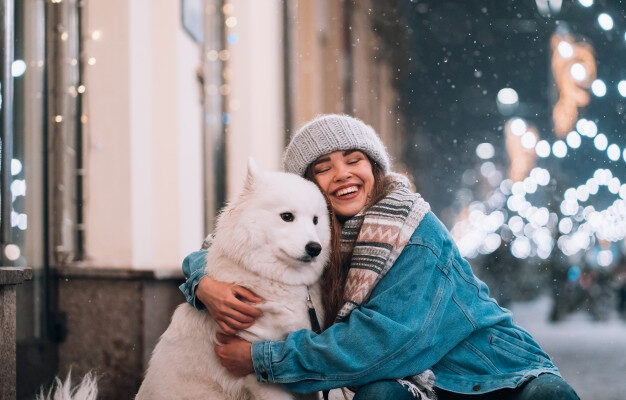
Winter is an extraordinary season: nature offers us generous gifts (snow, holidays, etc.) but also the joy of being closer to our loved ones. Surely your pet adds more joy and well-being to these experiences. But you need to keep in mind that cold weather is a stressor for your dog. Even if fur offers comfort from a thermal point of view, it is necessary to help the animal maintain a balanced body temperature (with the help of accessories and clothing) and, at the same time, offer it the possibility of moving in the open air.
Exercise in nature and mental stimulation are vital to ensuring your dog’s health. He needs a program that includes balanced nutrition, sleep and exercise. Meeting these needs can be a challenge during the winter months due to the vagaries of the weather and the presence of low temperatures. Your dog may refuse to go on his daily walk due to cold weather or precipitation (snow, sleet, etc.).
Just because your pet is reluctant to run in the snow doesn’t mean you should encourage him in any way to forgo exercise. This way you will avoid the appearance of health problems such as: weight gain, apathy, etc.
Below is a list of recommended activities to keep your dog in optimal shape even when the temperature reaches minimum values:
1. Short walks
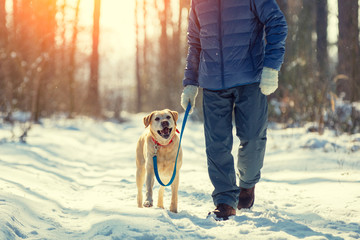
It is useful to offer the animal short walks in nature. Even if it is cold outside, the dog needs exercise and must be stimulated in this sense. According to the European Organization for Animal Protection, a walk in the natural environment offers the dog several benefits including:
- Mental stimulation
- Exercise – necessary for optimal functioning of the body and to burn excess calories
- The ability to develop a harmonious relationship with the people and animals around him, even in the midst of the cold season.
There are several dog breeds with specific needs (especially those sensitive to low temperatures). For example, short-haired animals (e.g. Boxers, Terriers, Chihuahuas) need clothing made from special materials. However, it is necessary to limit the dog’s exposure to low temperatures as much as possible. If you notice that your pet shows weakness, periods of tremor or confusion, you should offer him shelter and warmth as soon as possible: these may be manifestations of hypothermia.
Therefore, limit the number of walks or play sessions in nature if you notice that your pet has a low tolerance to cold. Help him to be active by training him in various home games such as hiding objects or you can take advantage of this period to teach him various commands.
2. Clothing
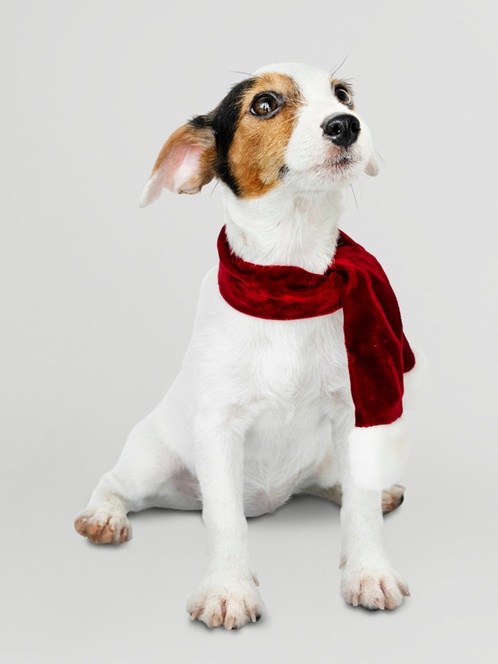
Pet clothes are essential accessories for nature walks and help your pet (regardless of breed) to keep its body temperature balanced. Choose based on the age and physical characteristics of the dog: puppies, elderly dogs and short-haired dogs have particular needs in this sense.
3. Careful paw hygiene
In the cold season, the streets and alleys are cleared of snow and usually some substances with an anti-slip effect such as salt or chemicals are spread. Here’s why a careful evaluation of the paws is necessary after each walk – If you notice scratches or other injuries, treat the animal and help it recover. Use a special cream that contains some oil-based ingredients that provide protection to the animal in these conditions.
4. A heated resting place
What’s more pleasant than a soft, warm bed after a walk in the snow? The animal body reacts like the human body when it has to adapt to a low temperature. This is why it is important to offer the dog a pleasant and quiet place after exposure to the cold to help the body rebalance. You can place the animal’s bed near a heating source (for example a radiator) and provide it with a soft blanket. Also there are also a series of electric mattresses or beds that can be placed under the animal’s kennel and can heat the bedding.
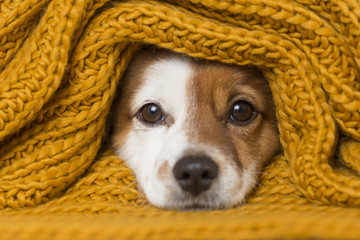
He will be more than happy and will be able to rest freely after the effort. In winter it is necessary to change the dog’s bedding more often, as it favors the appearance and reproduction of mites, fleas or ticks. After all, all living things want a quiet and warm place in winter, don’t they?
5. Food and water
In the cold season it is advisable to give the dog free access to a source of fresh water, especially because in winter the animal is exposed to dehydration and therefore to the appearance of various skin problems such as irritation or dryness. If the animal spends a lot of time in the yard, you can offer him water in a bowl that has the ability to heat the liquid so that it does not freeze. It can be purchased in pet stores.
The dog’s diet is extremely important in winter – this must provide the animal with the necessary vitamins and minerals for the body to function optimally and the energy level to remain high. Don’t offer your dog additional food if he spends more time indoors because he could gain weight, instead spoil him with some rewards after a walk in the snow. Talk to your vet to determine the right cold-weather diet.
6. Grooming
Avoid cutting the animal in winter. Fur has the ability to insulate the animal’s body so that the temperature remains constant. For example, long-haired dogs develop an extra layer of fur that provides them with additional protection. This characteristic belongs to some breeds and is the result of adaptation to the environment. To help your dog stay active in the cold season, you can still remove excess fur from the paw area – in this way the accumulation of the various anti-slip sediments which are usually spread on streets and alleys in the winter period will be avoided.
Winter is a season that promotes relaxation and offers us the opportunity to spend wonderful moments with the family. You will be able to have fun with your dog and at the same time you will be able to give him the necessary things to adapt to low temperatures and survive the cold season well.
latest posts published
Are heatwaves and heatwaves coming? Here’s how to protect your dog
8 activities your dog will love
Your dog can feel happy! Here’s how:
Dog too rebellious? Here are some causes of this behavior
Basset Hound – The nobleman with long ears and a sweet heart
9 dog breeds suitable for mountain trips

Are you going to work or on holiday? Here’s everything you need to do to leave your dog safely at home

How your pet can help you adopt a healthy lifestyle
An iconic breed, much more than a lap dog