
Extra pounds (in dogs and cats) don’t appear overnight, but we often don’t realize that our four-legged friend has gained weight until it’s too late. A round belly, less energy in play, or a lazy purr can be signs of a bigger problem: obesity.
Pet weight gain is an increasingly common condition among dogs and cats, especially in urban areas. Unfortunately, many owners don’t realize that lifestyle, diet, or even hidden medical conditions can contribute to weight gain. Here are 10 common, but often overlooked, reasons why your non-talkative friend may be gaining weight without you even realizing it.
1. Portions too large (without knowing it)
One of the most common mistakes is overestimating the daily portion of food. Many people feed “by eye”, without taking into account the information on food packaging or the weight and activity level of the animal.
For example, if your cat needs 60g of dry food a day but receives 80g, the difference accumulates over time and can lead to obesity. In dogs the differences can be even greater, especially in small or sedentary breeds.
2. Allow yourself snacks between meals
A few reward grains, leftover chicken from dinner, a cookie “because it’s cute” – it all seems harmless. But these small snacks can add up to dozens or even hundreds of extra calories per day without counting them towards your daily calorie total.
Also, many owners do not reduce the portion of the main food if they provide snacks, which contributes to the excess of calories.
3. Too little movement
A dog that isn’t walked every day or a cat that sits on the couch all day doesn’t consume enough energy. A sedentary lifestyle is one of the main causes of fat accumulation, especially among animals that live exclusively in apartments.
Even an extra 15-20 minute walk a day or a daily catfishing session can make a long-term difference.
4. Age- and racially inappropriate food
Animals’ nutritional needs change with age. For example, a puppy needs more protein and calories, but an adult or senior dog needs a more balanced diet with less fat. Likewise, neutered cats tend to gain weight more easily and require a special food with a reduced calorie content.
A “generic” food, chosen solely based on price or advertising, may be too rich for your pet’s lifestyle.
5. Sterilization and altered metabolism
After sterilization, the animal’s metabolism slows and the appetite may increase. If you do not change the amount of food or switch to a formula dedicated to sterilized animals, it is very likely that your friend will gain weight in a few months.
6. Hormonal or medical problems
Some conditions such as hypothyroidism (in dogs) or Cushing’s syndrome can cause weight gain even with a normal diet. If you notice that your pet is gaining weight for no apparent reason or is becoming lethargic, head to the vet for a series of tests.
Don’t miss the article either The unknown connection between prebiotics, probiotics and dog (and cat) health.).
7. Several family members feed him
In many families, several family members may feed the animal without communicating with each other. A snack from grandma, a portion from the child and leftovers from the parents’ table: all can mean double or triple the recommended daily amount.
It is important to have a clear routine: who feeds the animal, how much and when.
8. Lack of regular weight monitoring
Pets gain weight gradually, and if you don’t weigh them regularly, the change can be difficult to notice. Many owners only realize that their pet is overweight when they go to the vet or when they can no longer hold the dog harness.
Ideally, you should weigh your dog or cat once a month, at home or in the office, and monitor its progress.
9. Food is always available (“free feeding”)
Many owners choose to leave food at the cat or dog’s discretion, especially if they are away from home for a long time. Although cats can self-regulatemany animals eat out of boredom or stress, which leads them to overeat.
The specialists’ recommendation is to respect regular meals and controlled portions.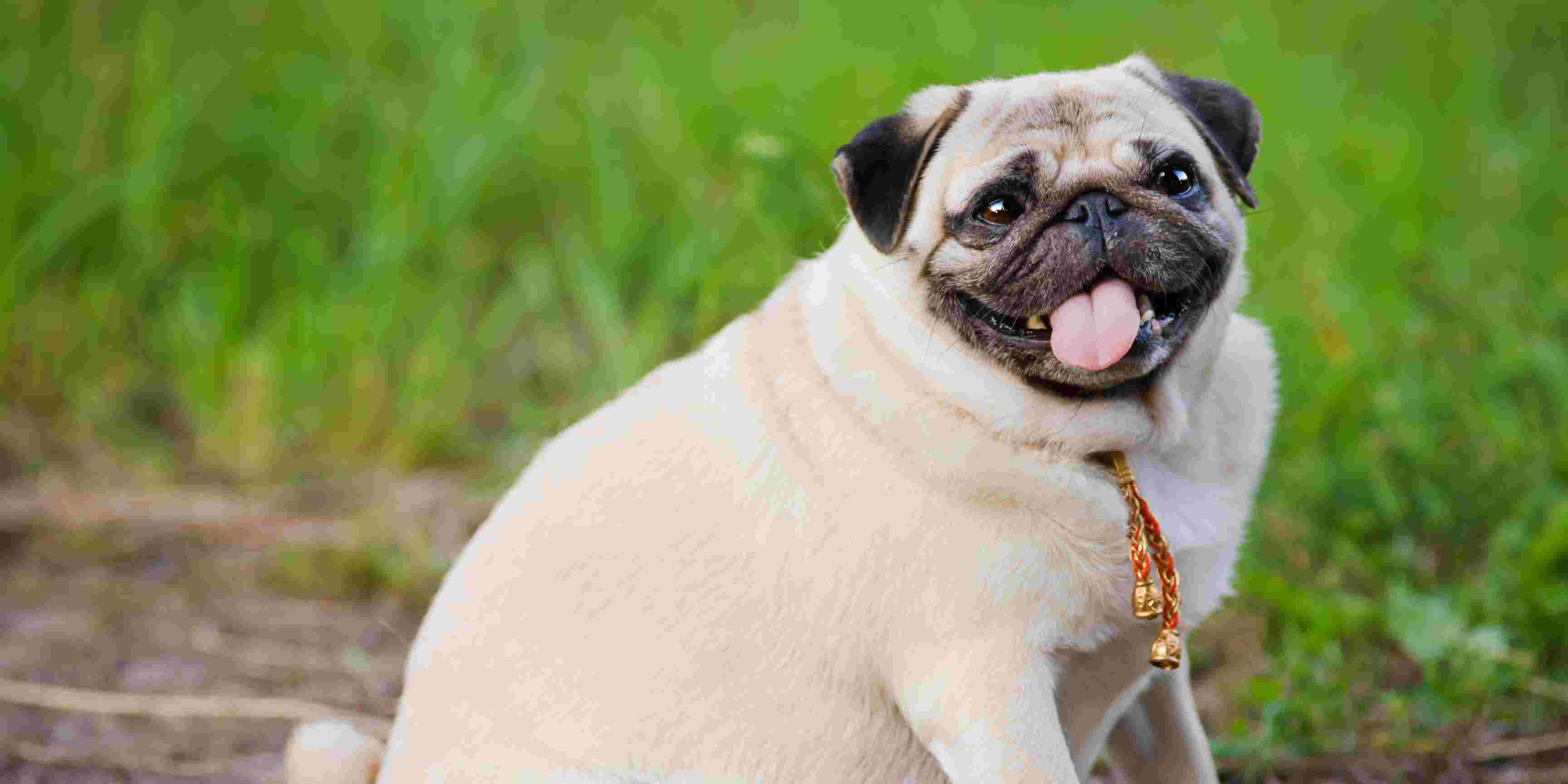
10. High calorie foods
Not all formulas are the same. Some brands contain more fat, flavors or carbohydrates to make them tastier and more attractive. Even if portion sizes are respected, a high-calorie food can lead to weight gain over time, especially if the animal is less active.
Choose quality foods, suited to your pet’s real needs. PetMax.ro offers you different variations of dietary, hypoallergenic or “light” foods for dogs and cats of all ages.
Read recent material from the blog Does your cat stay indoors alone? This is how you stimulate his natural instincts.
What can you do if your pet is already overweight?
The first step is consult your vet to rule out medical causes. Subsequently, together with the specialist, it is possible to establish a safe weight loss planwhich includes:
- Adjustment of daily food portions
- Switching to a diet or light food
- Gradual increase in activity level
- Monthly weight monitoring
- Eliminate unnecessary snacks
Here are some useful tips if…Is your dog hungry? Here are 10 signs you need to know.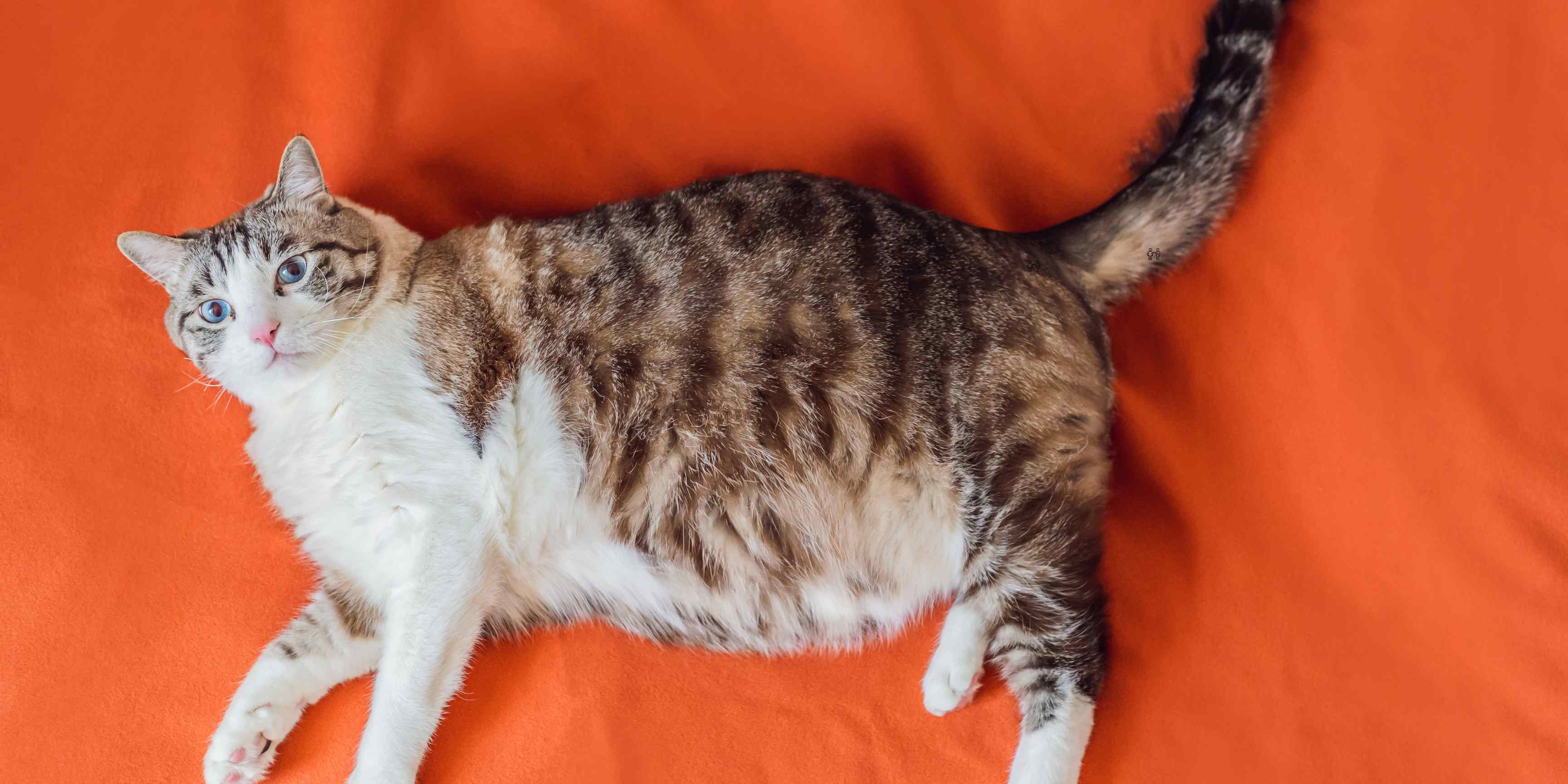
Conclusion
Love for our animals is expressed through care, not overeating. An animal at the right weight is a more active, healthier and happier animal. By understanding the hidden causes of weight gain, we can prevent problems before they occur or correct them in time.
On the PetMax.ro blog you can find other useful articles on balanced nutrition for dogs and cats – and in the online shop you have a careful selection of products for particular nutritional needs. The cure starts with the food bowl!
Check out the dry and wet cat food section here!
latest posts published
Are heatwaves and heatwaves coming? Here’s how to protect your dog
8 activities your dog will love
Your dog can feel happy! Here’s how:
Dog too rebellious? Here are some causes of this behavior
Basset Hound – The nobleman with long ears and a sweet heart
9 dog breeds suitable for mountain trips

Are you going to work or on holiday? Here’s everything you need to do to leave your dog safely at home

How your pet can help you adopt a healthy lifestyle
An iconic breed, much more than a lap dog