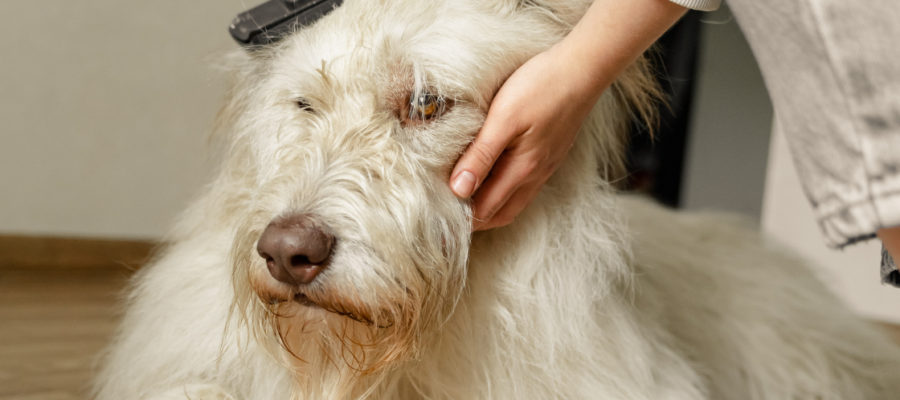

In the first month the dog may experience anxiety and insecurity, especially if it is a puppy. Separation from the mother must not occur before 8 weeks after birth. We therefore recommend adoption when the puppy is 8-14 weeks old.
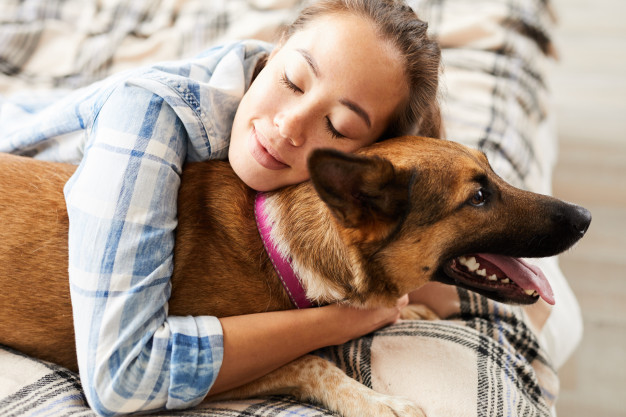
The ability to socialize develops between 7 and 16 weeks and training can also begin now.
This way the puppy will develop a harmonious personality and pleasant temperament for the rest of its life. In addition to the adorable displays and time you will spend with your pet, you must be aware that his education requires involvement and patience. A puppy has the same needs as a child and similar developmental stages. We all know that attention, care and love are the fundamental elements that sustain and nourish life. With responsibility comes challenges and the constant need for information (for example characteristics and particularities of the breed, etc.). Many times, during this process of dog adaptation, challenges and unknowns appear, especially when experiencing coexistence with an animal for the first time.

Your vet will be able to help you build a personalized diet and advise you on grooming and necessary vaccinations. It is advisable to prepare in advance so that when you bring the puppy home he can experience a pleasant and comfortable environment. A visit to the pet care supply store is desirable. In the early periods of development, dogs have a higher energy level. Young animals have a greater need for exercise than adults, therefore it is necessary to establish a physical activity program. When this surplus is not consumed, the dog may begin to gnaw on furniture or other objects in the house.
- The owner’s connection with the pet is pretty much the foundation on which the training and training program will be built.
This process will begin with approach gestures so that the dog gets used to the owner’s smell and touch. In general, patience and a gentle approach will convey to the dog that he is safe and secure. Another recommendation that will ensure your dog’s future involvement and cooperation is creating a schedule. The animal reacts very well when daily activities are constant and the daily program is structured according to the circadian rhythm. From the first days the puppy will have to learn that there is a series of rules that he will have to obey. The step by step approach will help him learn. A solid set of rules will help the animal understand what the submissive role entails. The dog’s behavior is generally as transparent as possible, and observation will help you understand the degree of his attachment to you. The rustling of a t-shirt or slipper is a clear sign that the animal feels connected to its owner. It is known that smell is one of the dog’s most developed senses. The ability to look at you, follow your gestures and try to mirror your behavior are other indicators of the level of attachment. When you feed your dog from the palm of your hand, an immediate connection is created and this gesture can be applied as positive conditioning in training.
- Encourage a positive manifestation and discourage a negative one. At first the puppy will make all kinds of mistakes, big or small.
These are essentially impulses and can be of different types, such as the red of a pair of shoes, of a piece of furniture, of doors, of urinating on the carpet, etc. In these situations, the way you communicate with the animal matters a lot. When he exhibits negative behavior, we tend to discourage that behavior by using more aggressive language or a louder tone. On the other hand it is very satisfying when you notice that the dog shows positive behavior and a correct attitude. We must admit that in the first month every positive demonstration becomes an occasion for celebration. When the animal prepares for its first outing for a walk, it must be taken into account that it will have to face various unknowns, such as meeting another dog. Give him the space to manifest, get closer and respect his own rhythm. The dog will begin to become attached to the space in which it lives and also take on the responsibility of protecting its owner. Any vocal display or excessive barking should be discouraged. A positive habit is formed on the basis of encouragement and praise, not criticism and aggression. The animal integration process involves learning and performing some basic commands that will be added to the training and training process.
- A daily schedule will help your dog learn when it is time for meals, play, hygiene and sleep.
This program must be treated responsibly because dogs have a great capacity for learning, so it will be an investment of energy but with positive long-term effects. The dog’s diet will include 3 daily meals: morning, lunch and evening, some rewards when necessary. A complete diet guarantees the necessary proteins, vitamins and minerals and supports the harmonious development of the animal.

Home furnishings, encouragement, regular feeding and a hygiene program are the most important aspects to consider when inviting an animal to be part of the family.
We must admit that the first 30 days of living with the dog will bring more challenges than good mood. The adjustment process requires a lot of energy and patience, but it will definitely be sprinkled with adorable gestures and expressions of affection from the non-speaking friend.
latest posts published
Are heatwaves and heatwaves coming? Here’s how to protect your dog

8 activities your dog will love

Your dog can feel happy! Here’s how:

Dog too rebellious? Here are some causes of this behavior
Basset Hound – The nobleman with long ears and a sweet heart

9 dog breeds suitable for mountain trips

Are you going to work or on holiday? Here’s everything you need to do to leave your dog safely at home

How your pet can help you adopt a healthy lifestyle
An iconic breed, much more than a lap dog