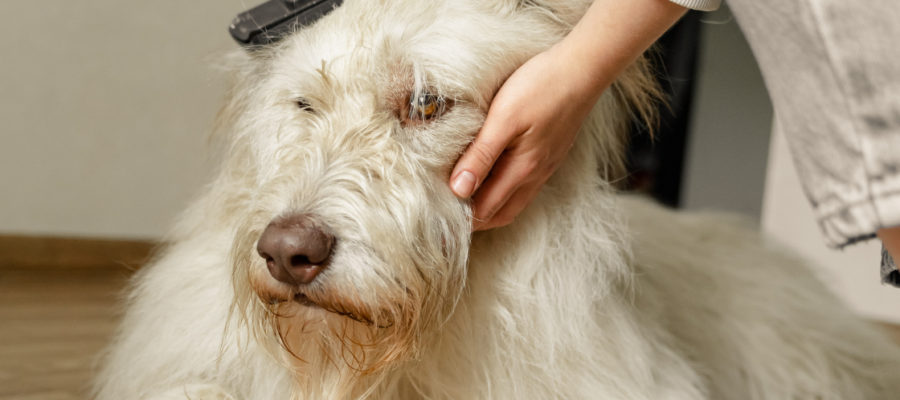
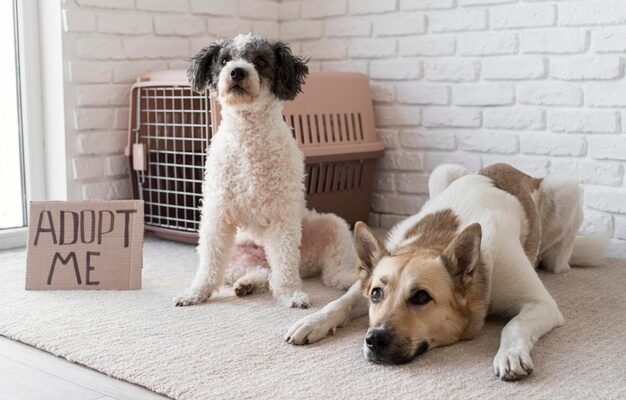
The decision to adopt a dog requires correct information, for the well-being of your new pet. Adopting a dog can be difficult if you don’t know where to start, but it’s fun and exciting. Regardless of whether you choose to adopt an adult dog or a puppy, there are pros and cons and the decision is a very personal oneso you will need to inform yourself carefully and think about the type of accommodation you can offer.
In Romania there are several associations, NGOs and shelters where dogs are waiting for new owners. You will find many of these options by searching online or perhaps even on the advice of a veterinarian. Once you find a place to adopt a dog from, schedule a visit. The shelter should look and smell nice, and the staff should have time to talk to you.
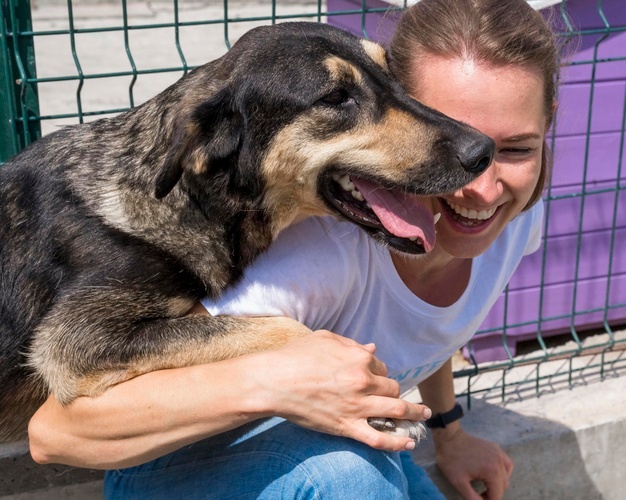
If you want to introduce a new furry friend to your family, you need to make sure that the time is right and that you are aware of all the responsibilities that come with adopting a dog. Dogs are social animals that need your time, love and attention, and to be a responsible owner, you need to vaccinate them, spay/neuter them, microchip them, but also other things like feeding them or brushing their fur. To get through this phase easily, you can start the transition by making some changes. More accurate:
1. Purchase all necessary accessories
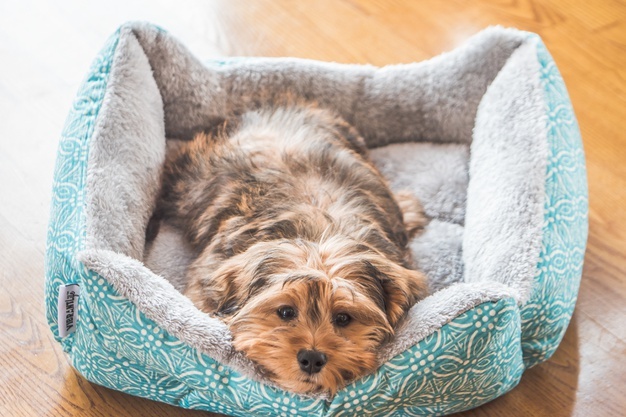
Before taking it home, purchase everything you need to ensure its comfort and safety. In addition to the essentials, collar and leash, food and water bowls, you will need a dog bed, dog door, toys, treats and grooming supplies.. It would be a good idea to have training items and enzymatic solutions for cleaning your hands in case of accidents during your first workouts at home.
2. Prepare the house
It is advisable to prepare the space before the puppy arrives at home. Go around the house and collect objects that could be harmful to small or overly curious puppies and take those objects that you don’t want them to gnaw.
It is also necessary to prepare the family, decide which family member will be responsible for feeding, walking and training. If other animals already live in the home, make sure their areas are updated for everyone’s safety. And if you also have cats, you should provide a special area where they can retreat, to which dogs do not have access, thus offering them a way to get used to the new arrival in the house.
3. Give it a space
As with the pets you already own, assign a private space to the new arrival too. Pet owners have an aversion to dog crates, in fact dogs consider them their bathrooms rather than dens.
Additionally, they can be a safe place while they adjust to their new environment. If you prefer not to use a cage, then you can use a room just for him, you can visit him there to help him in the bonding process, but leave other pets and children out of it for a moment.
4. Plan how and when to bring him home
If possible, take a few days off from work or plan the adoption so you can pick up your dog at the end of the week when you are freer. But don’t take it at the start of a long vacation: If you get used to being at home all the time, you may develop separation anxiety when you return to work.
It is advisable to have someone accompany you to pick you up or drop you off to make you feel comfortable while driving. Don’t forget to take the collar and leash and take him straight home without stopping along the way.
Show him the surroundings while keeping him on a leash and let him explore and smell the inside of the house. Familiarize him with food, kennel and toys and at the same time impose limits with short commands such as “No” or “Leave him”.
Exploring the yard on a leash helps him because it gives him enough time and space to smell the new environment. If you have assigned him a space in the garden for his physiological needs, take him there and reward him when he uses it.
5. Introduce them to the family
Keep other dogs on a leash and monitor their interactions, keeping in mind that the way this process plays out can cause them to become territorially possessive of the new arrival. Avoid letting children or other people hug the dog, but you can allow them to make friends with him by offering him a reward.
6. Start training now
Even adult dogs that have been previously trained will need some house training. If you plan to do this in a crate, introduce him to the crate immediately and first practice leaving him in with a toy and for short periods of time to get used to it, during which you will leave the crate. Be patient during training, once the puppy understands how to behave indoors, you can start teaching him how to behave outside.
Keep him on a leash at first to make sure he doesn’t run away. Establish some daily rituals and, if you leave your dog alone, make sure he doesn’t get stressed before leaving. Don’t accept your dog’s aggressive behavior, even a simple growl must be corrected. If you react promptly and systematically when the dog has an inappropriate attitude, you will be able to correct his behavior. Working with a professional trainer can help, because if you allow this behavior to persist, it will get worse over time.
Adopting a dog is a major commitment that must be carefully considered, and if your decision is fully informed, the result can be a rewarding relationship for both the dog and you.
latest posts published
Are heatwaves and heatwaves coming? Here’s how to protect your dog
8 activities your dog will love

Your dog can feel happy! Here’s how:
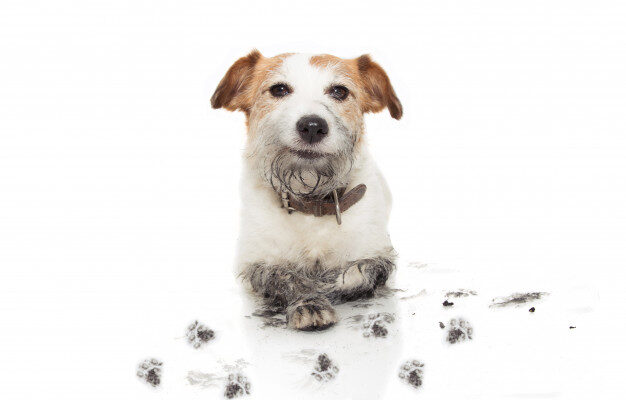
Dog too rebellious? Here are some causes of this behavior
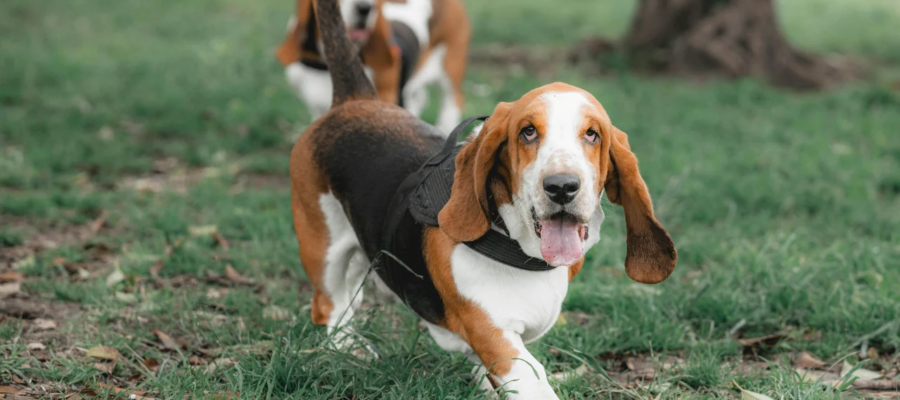
Basset Hound – The nobleman with long ears and a sweet heart
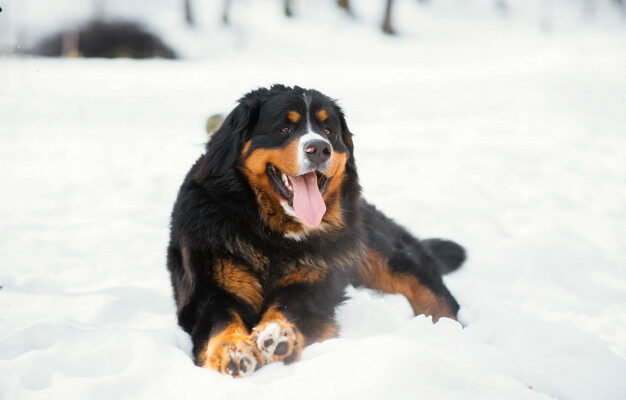
9 dog breeds suitable for mountain trips

Are you going to work or on holiday? Here’s everything you need to do to leave your dog safely at home

How your pet can help you adopt a healthy lifestyle
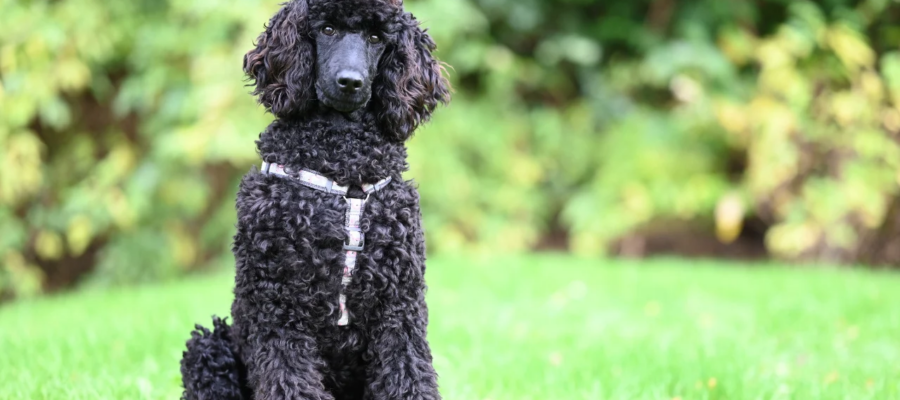
An iconic breed, much more than a lap dog