Why do we love puppies so much?
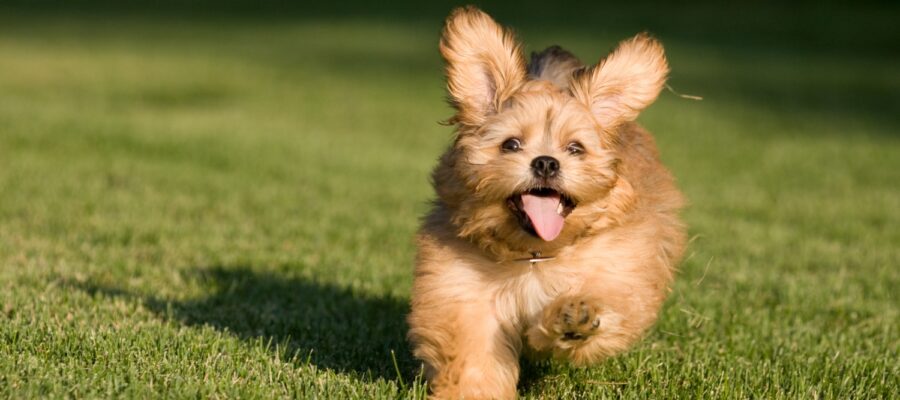
With their large round eyes, button noses and large heads, hatchlings share many of the same physical characteristics as human babies. And just like children, or like kittens, stuffed animals, or many cartoon characters, puppies elicit an automatic “cute response” in us. They capture our attention, we like to look at them and, on a neural level, they trigger activities associated with reward and also evoke compassion and empathy.
In humans and other animals, this response is an evolved, innate behavior: it motivates adults to care for helpless infants and to be more sensitive to their needs and feelings. It makes sense, then, that a recent study found that puppies reach peak cuteness at eight weeks of age, right around the time their canine mothers leave them to fend for themselves.
What do you need to know if you just brought home such a furball (or are about to)?
Your new puppy is finally home, ready to explore his new home. But are you ready for your puppy’s first week with you? Do you have food bowls, chew toys and a comfortable bed? We have some tips to make your puppy’s transition to his new home as safe and stress-free as possible.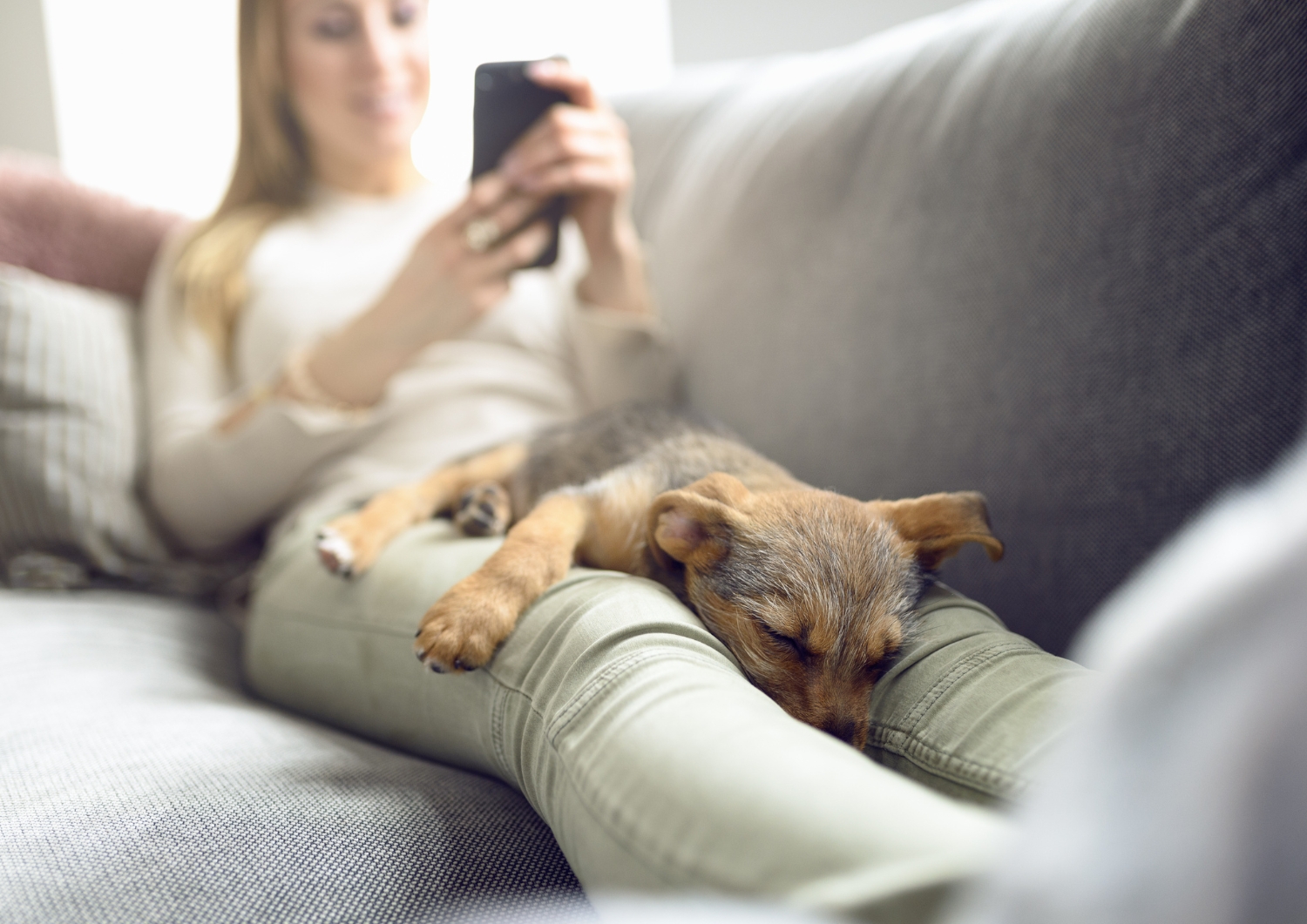
To be smelled of course… but also monitored!
One of the first things your new puppy will likely do is smell everything. Puppies are born deaf and their eyes are closed for the first 2 or 3 weeks, but that nose works hard from day one and… it doesn’t stop. Your curious puppy will want to explore every corner of your home, and this adventure might include places he shouldn’t be and objects he shouldn’t touch.
It’s best to secure your home before welcoming your new housemate. This way you know that the house is (relatively) safe. There will always be things you didn’t think the pups could get into, but it seems the Nazdravans somehow find a way. So, in the first few days, keep an eye on your exploration time so you can be on the lookout for dangers you might otherwise have missed.
Some items that should be kept out of your puppy’s reach include electrical cords, sharp objects, and anything else that puppies shouldn’t chew (e.g., dirty bedding, soft pillows, TV remote control). Be sure to put away materials or items that are toxic to dogs, such as medications, cleaning chemicals, poisonous plants, human-only foods (e.g., grapes, onions, chocolate), and anything else that could harm an eager pup.
Nighttime can be a scary time – here’s why
Have you ever stayed in a new place (e.g. hotel, cabin, friend’s house) and woken up in the middle of the night and forgot where you were? Scary, right? Think how difficult a new home is for a puppy (especially at night) with all those strange new sounds, smells and surroundings.
Also, depending on where you got your new puppy, he was probably with his mother, his siblings, or had other dogs around that he knew and is now alone or with unfamiliar dogs. When puppies are first separated from the pack, their natural instinct is to be as vocal as possible. So your new puppy is likely to cry (howl, cry, or whimper) for a few days or even a few weeks when he is alone.
You can make bedtime a little more comforting for your puppy by choosing a quiet area of the house to make his bed. Set up a comfortable bed in a crate so they have a safe space to make it themselves and keep it out of harm’s way while they sleep, or buy a suitable crib. You might also consider placing the crib in your bedroom, but if you want your puppy to sleep in your bed, wait until he’s potty trained.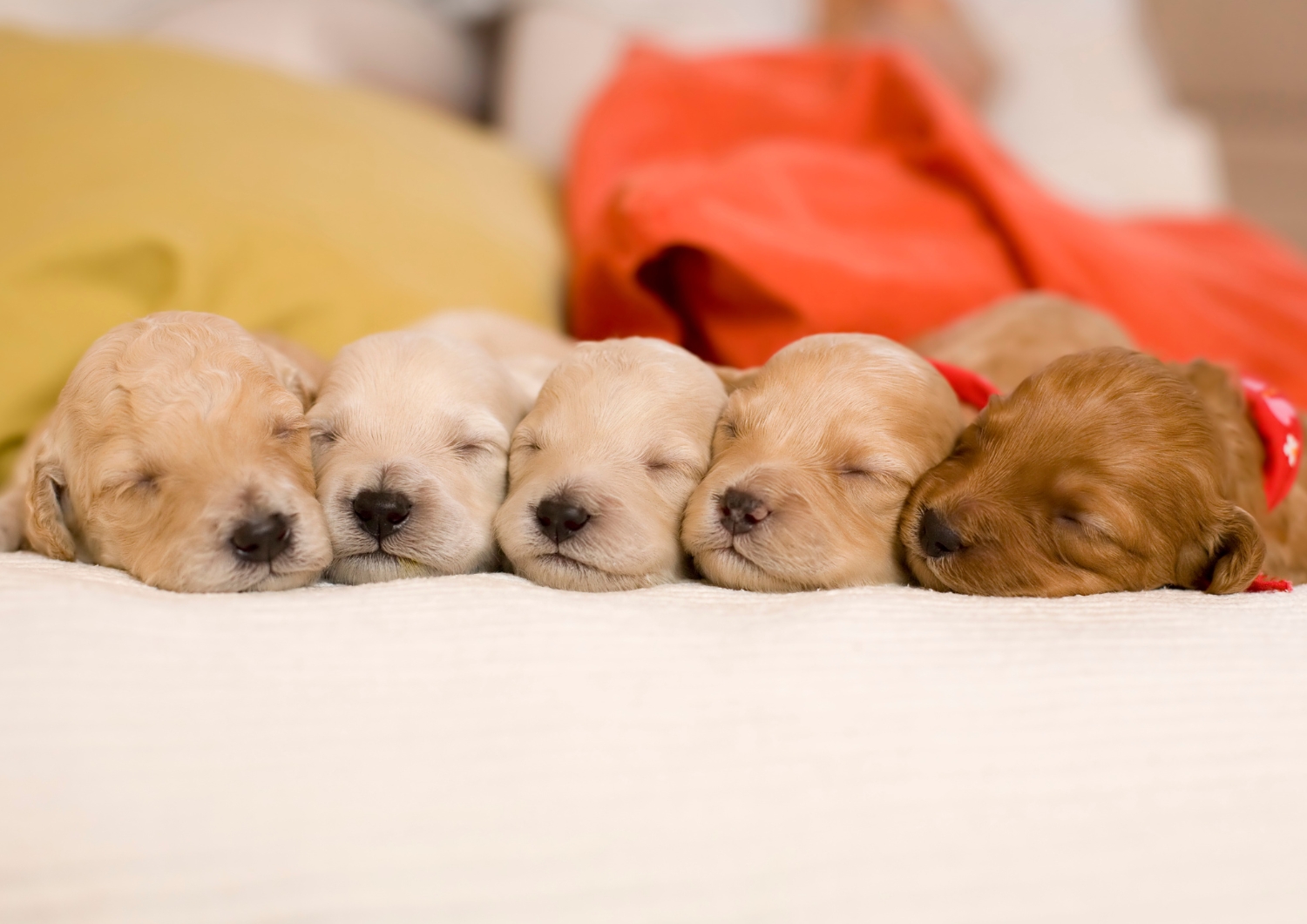
Spend time with your new playmate
Nighttime isn’t the only part of the day that can scare a puppy: being left alone during the day can be just as worrying and overwhelming for your puppy. If possible, schedule a few days off for the first few days while your puppy is adjusting to his new home. It will help bond and your pup will have a friend to keep him company while he explores his new playgrounds. If you can’t stay home with him all day, see if a family member or friend can stay with your puppy, or consider hiring a pet sitter while your puppy settles in, or opt for a special dog daycare in your city.
Also read this useful article that shows you what Frequent mistakes we make with our dog and must be avoided at all costs, at any age!
Time alone?
The puppy will be left alone – you can’t prevent it. Even if you work from home, there will still be times when you need to go out and can’t take your little friend with you. It is important that your new partner learns to look after themselves and that this is nothing to worry about.
Specialists will be able to give us some useful advice on how to help your puppy feel good when he is alone. First, place your puppy in an enclosed space with a beloved toy and leave the house for five minutes. You will probably hear barking or whining, which is normal. Come back early when it’s quiet. It is important to wait for them to stop barking, otherwise they will learn that making noise is what brings you back. Once he gets used to you being gone for five minutes, try increasing the time little by little.
Eventually, your puppy should learn that being alone isn’t so bad and that you will come back. Separation anxiety can occur in dogs of all ages, so it’s a good idea to start teaching them that alone time isn’t bad during your puppy’s first week home. You can find out more about this phenomenon on the blog, in the article Petmax – Separation anxiety in dogs.
He wants to defecate again…
Stock up on cleaning supplies because you will need them. Many! Potty training is another thing that should start the day you bring your puppy home. But it will take time and lead to quite a few accidents of the toilet before the animal understands, probably until about 12-16 weeks.
You can help reduce the number of accidents by taking your puppy for potty breaks every two to four hours, even in the middle of the night if necessary. Crate training can also help with potty training as dogs are naturally reluctant to soil their “den”, so they will go potty elsewhere. By taking them out of the box and then immediately outside or to the designated place (indoors), they will learn that this is where they need to go when they need to do their business. Eventually, they will realize that your entire house is den them and not a place to go potty.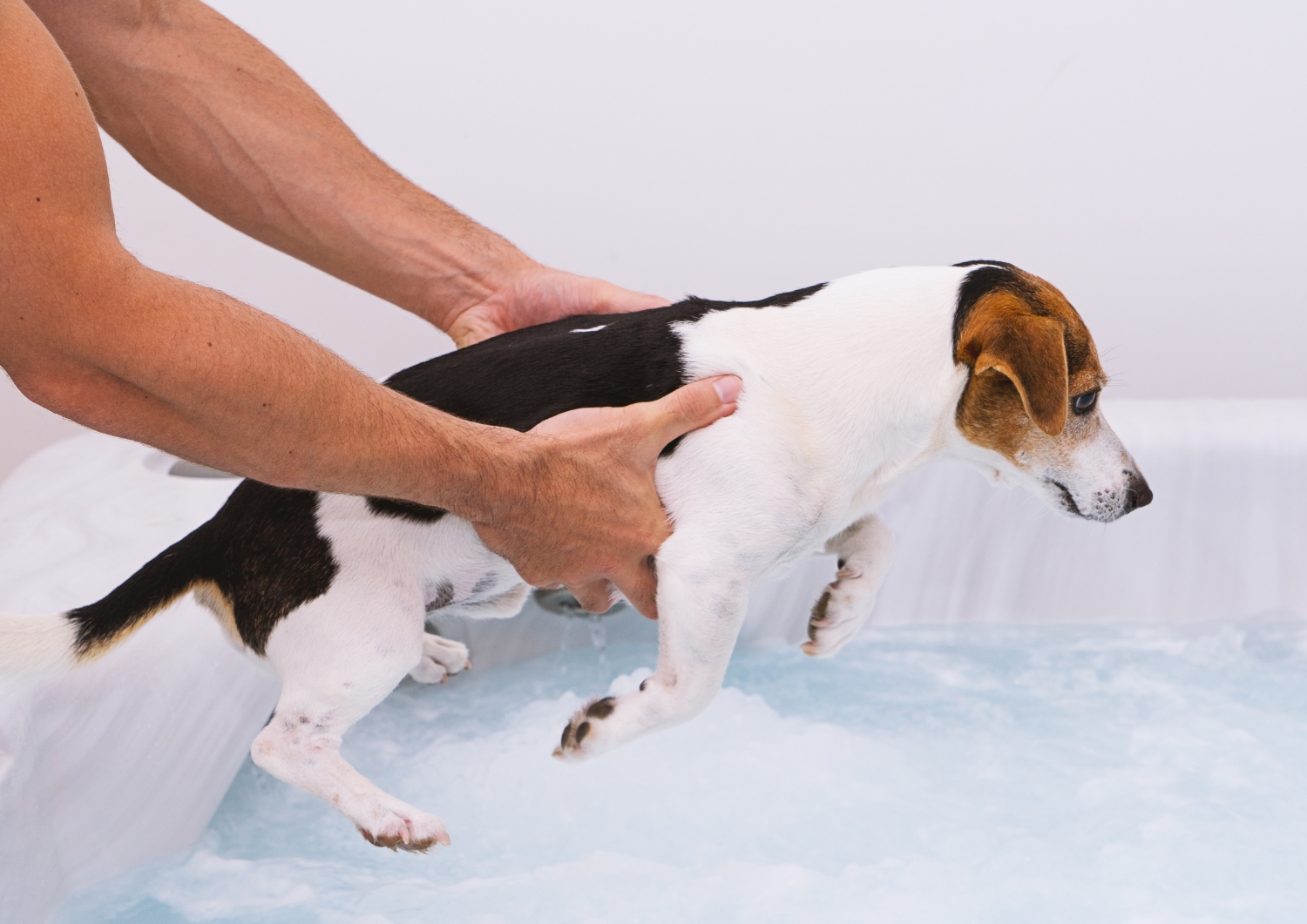
Our recommendation? Animal grooming is very important and Zuzi helps us with advice and a canine and feline beauty salon.
Stick to a schedule
Sticking to a routine is really important to help your puppy adjust to his new home and family. Stick to the same schedule (as much as possible) for meal times, bedtimes, play sessions, and potty breaks. And if you have rules for the puppy, make sure the whole family follows them. If your puppy isn’t allowed to sit on the couch, you shouldn’t drag him onto the couch for a quick cuddle. It would confuse him when he got in trouble for jumping on the couch the next day.
Feeding the puppy
As for meals, veterinary nutritionists recommend feeding puppies at least two meals and possibly three or four meals a day up to 4-6 months of age. Once they turn 6 months old, you can limit yourself to two meals a day, although some large and giant breeds may benefit from three meals a day.
Feeding the right food is important to ensure your puppy grows and develops into a healthy dog at the right rate. Your vet can help you determine the best food for your puppy and how much he should eat. Now you can discover our advice: Grow your dog with Acana food.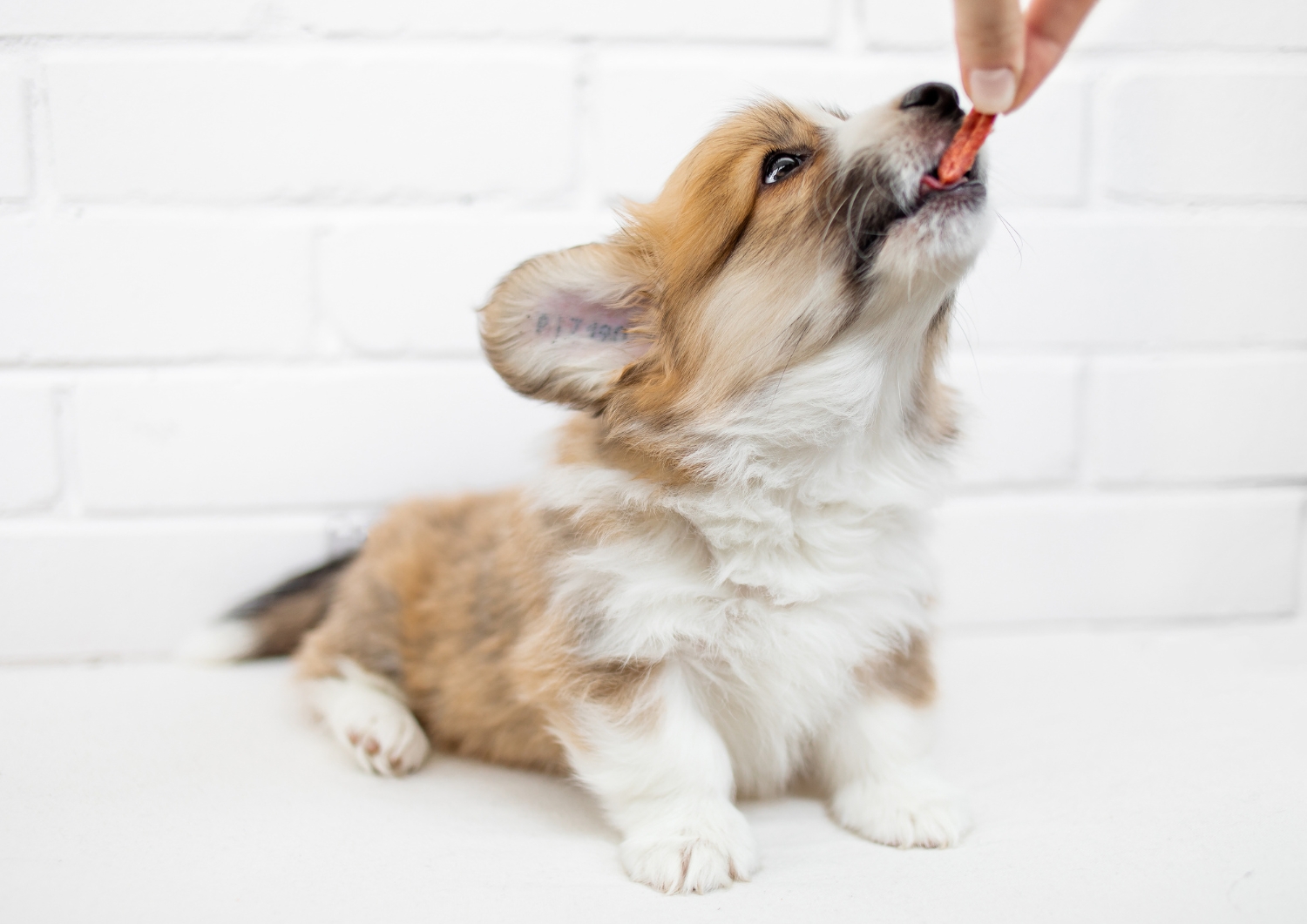
Bottom line, the first week with a new puppy can be overwhelming and a little scary for both of you. But spending quality time with your non-verbal friend and establishing a routine will help you adjust in no time. Don’t forget to schedule your puppy’s first visit to the vet!
If you still don’t know which breed to choose, you can find out more on the blog about their descriptions – see all about them here Beagle, an energetic, cheerful and sociable dog and about here Golden Retriever, an energetic and favorite children’s breed. To find out all about the special bond between children and pets, here is the link to the article Dogs and children: things you need to know.
latest posts published
Are heatwaves and heatwaves coming? Here’s how to protect your dog
8 activities your dog will love
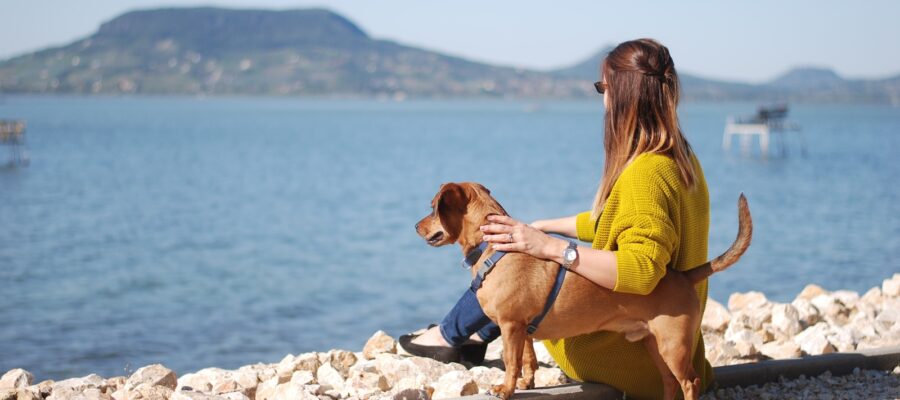
Your dog can feel happy! Here’s how:
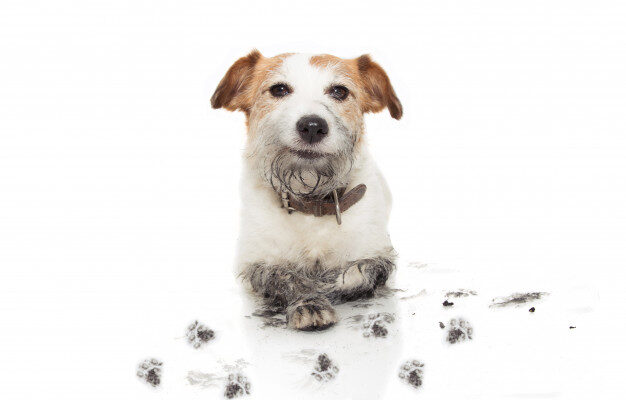
Dog too rebellious? Here are some causes of this behavior
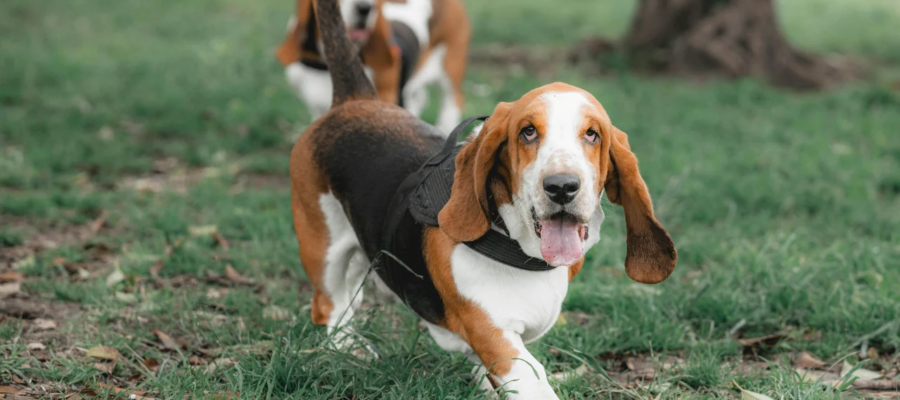
Basset Hound – The nobleman with long ears and a sweet heart
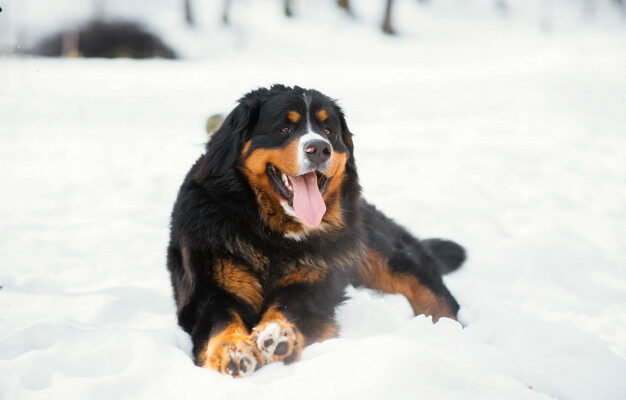
9 dog breeds suitable for mountain trips

Are you going to work or on holiday? Here’s everything you need to do to leave your dog safely at home

How your pet can help you adopt a healthy lifestyle
An iconic breed, much more than a lap dog