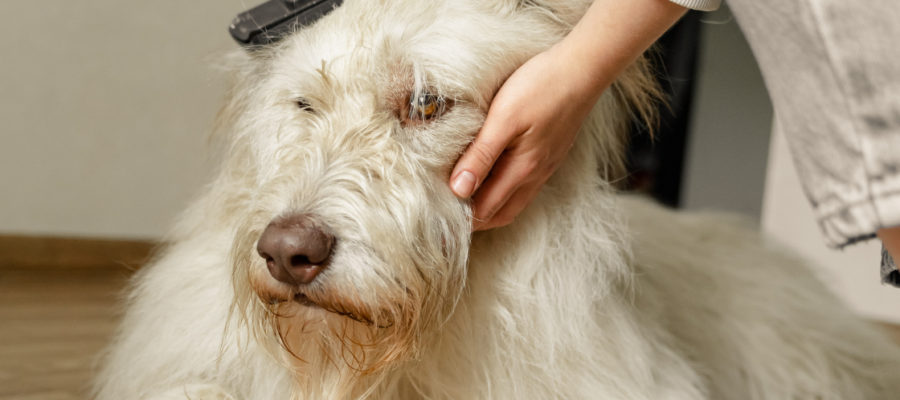
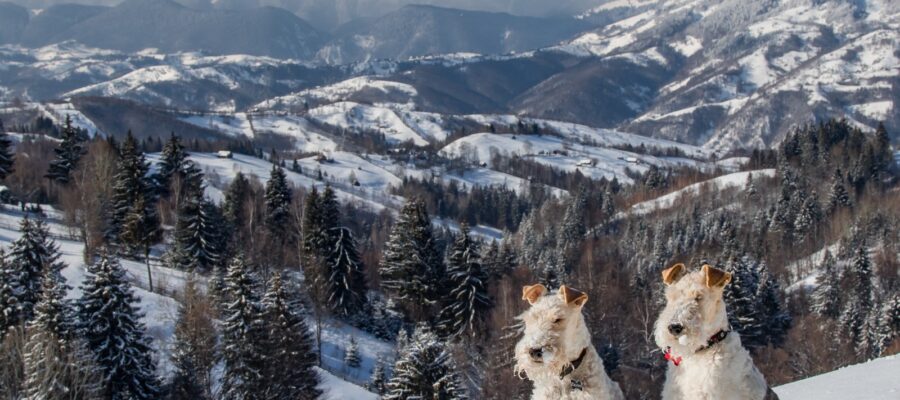
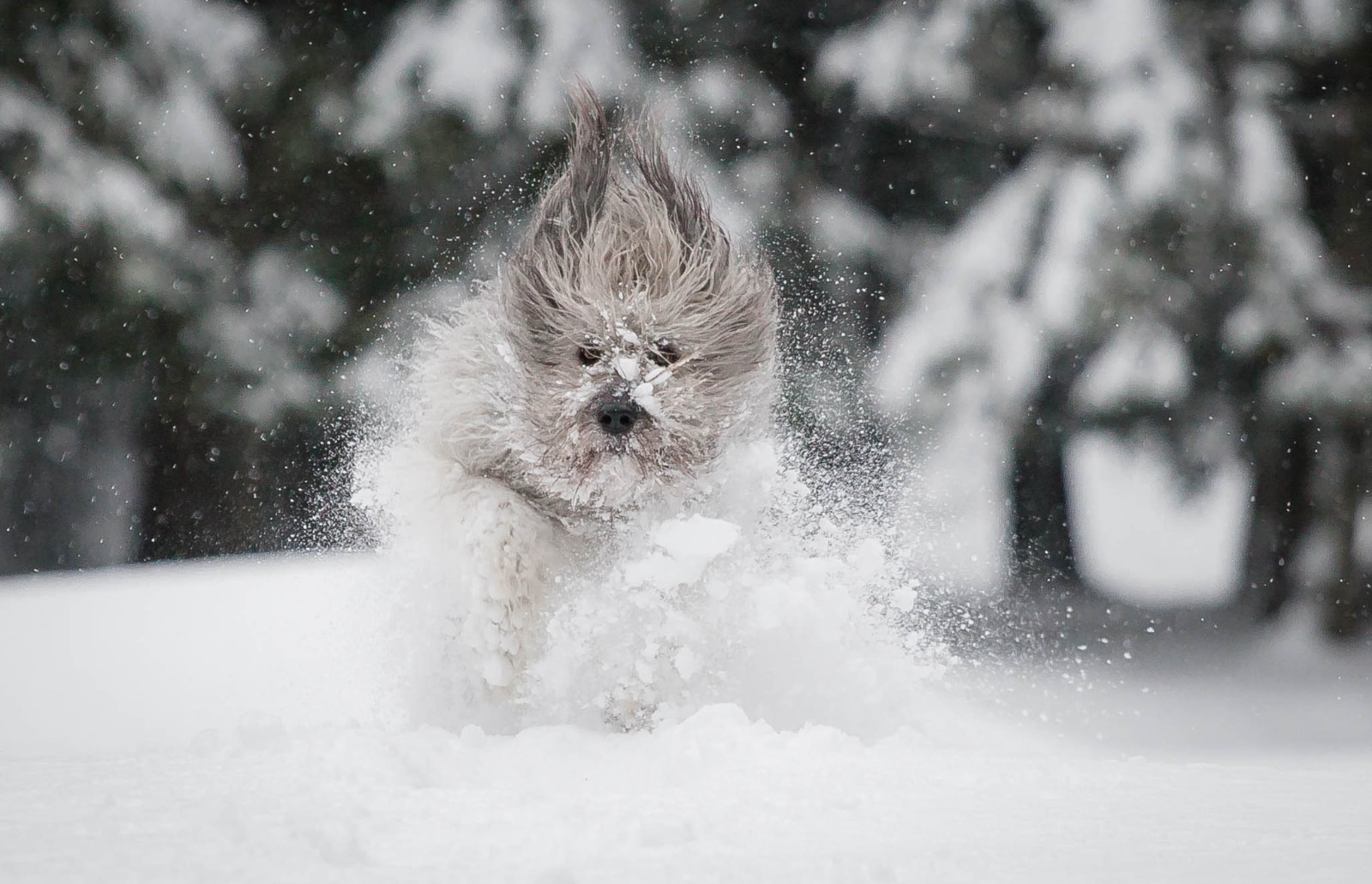
With the arrival of winter, temperatures drop and sometimes this can be very unpleasant for our four-legged friends, whether they are raised at home or in the yard. So they need a little help from us. The needs of dogs during the winter vary depending on their size, age, state of health, where they are raised and the type of fur they have.
Dogs raised indoors
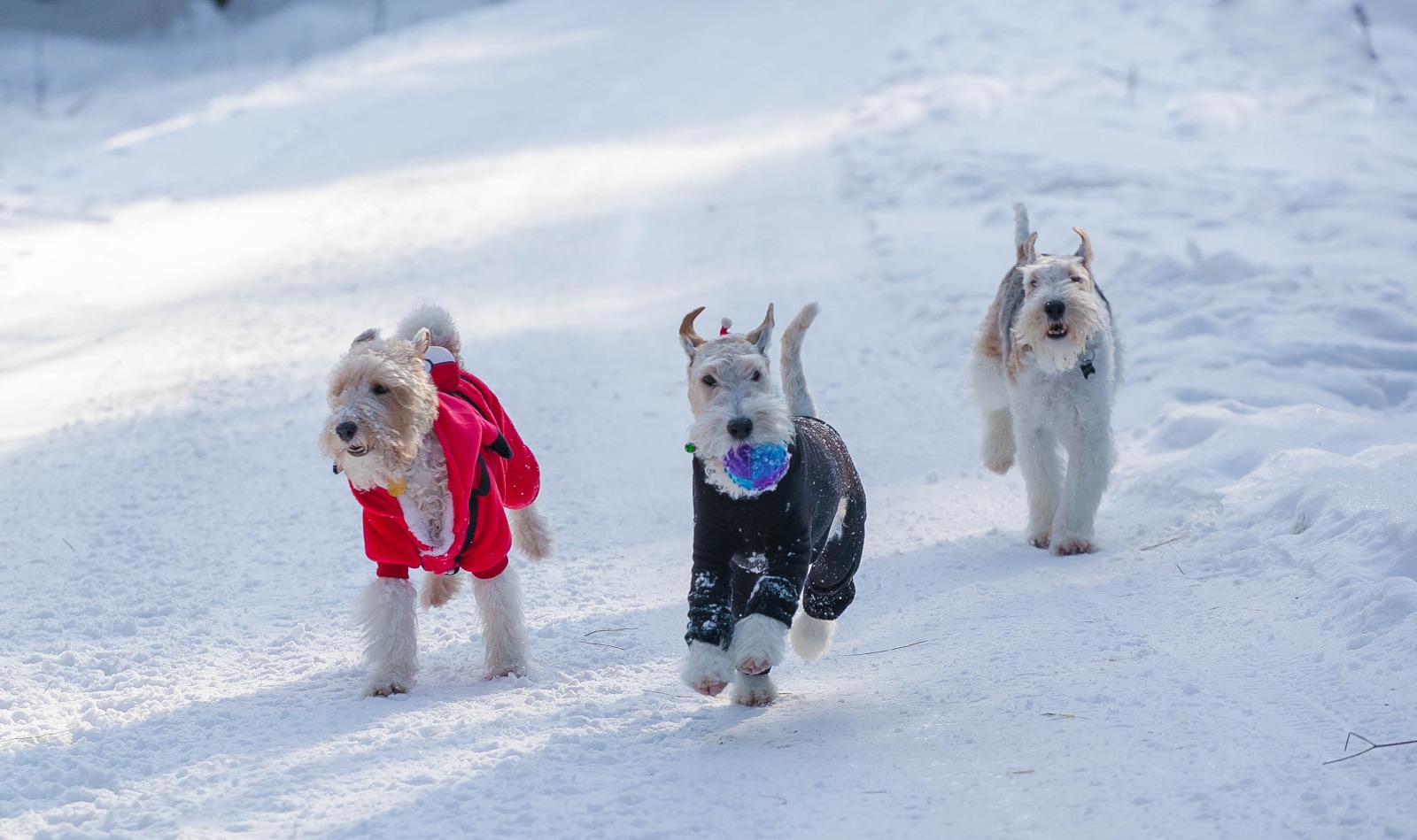
1) Depending on the outside temperature, schedule your walks or play time. When temperatures are very low it is preferable to take them out for short but frequent walks.
2) Every time we return from a walk we clean our paw pads because the salt and anti-slip used to avoid slipping on streets or sidewalks affect our dogs’ pads. It is preferable when you go out to grease the puppies’ cushions with lanolin or products specially designed for their protection. You can find them on the market. Of course, if the quadruped supports winter boots, these will be useful. This way it will not be affected by the anti-slip, nor will it be exposed to various accidents caused by sharp stones covered in snow, pieces of ice, etc.
3) Clothes, although not approved by all dog owners, are sometimes very necessary. They are necessary for short-haired puppies and large dogs (for example: Doberman, boxer), they are necessary for small dogs, puppies, older dogs and dogs with health problems. So, if necessary, confidently use winter clothes. Winter clothing should preferably be waterproof or fleece. It’s not cotton at all. The cotton gets soaked with snow water and we do more harm than good to our dogs.
4) Avoid walking dogs in the morning and evening. Take advantage of the midday sun or slightly higher temperatures in the midday/afternoon. The morning and evening are the coldest, so the walk will not be satisfactory for quadrupeds.
5) In winter we all know that antifreeze is used a lot. Take care of your puppies, what they eat/lick from the floor. Avoid carrying them around in cars
6) Even if it’s not summer, puppies need regular water even in winter. It is preferable if you have the possibility to bring a bottle of hot water from home, it will cool down enough until the quadruped gets thirsty. It is preferable to use plastic/rubber bowls instead of tin. Tin ones cool the water much faster. Let them drink as much as they need, then give them more water when they need it again. Don’t leave the water outside because it will get very cold and harm your pet
7) Playing with ball/Frisbee is preferable to slow walking. By making sustained movements, the dog will tolerate the low temperature more easily, and we will also avoid the puppy’s weight gain typical of the cold season.
8) Dog nutrition during the winter must be slightly different than in other years. Of course this especially applies to exposed dogs, those who live in backyards. The dog’s food during the winter should be fatter and the quantity slightly increased. A real help is fish oil specially designed for them.
9) Provide dogs with a bed or pillow/blanket on which they can rest. Even indoors, the bare floor can be cold for them.
10) During the winter holidays, when they start using firecrackers/firecrackers, you can sense the time of day when they are heard less often to take the quadruped for a walk. During this period, do not leave your dog off the leash for any reason. No matter how trained he is, when he hears a bang he can get scared and run away, risking a car accident or losing her. On New Year’s Eve you can distract them with the TV volume turned up, with some tasty rewards, without exaggerating with attention, because this excites them even more. If you can, place a cage in your home covered with a blanket where he can shelter. Some dogs find refuge in such a place and feel much better in a confined space. If you don’t have a cage, you can improvise a safe place where they can crawl out of beds and chairs.
Dogs raised outdoors
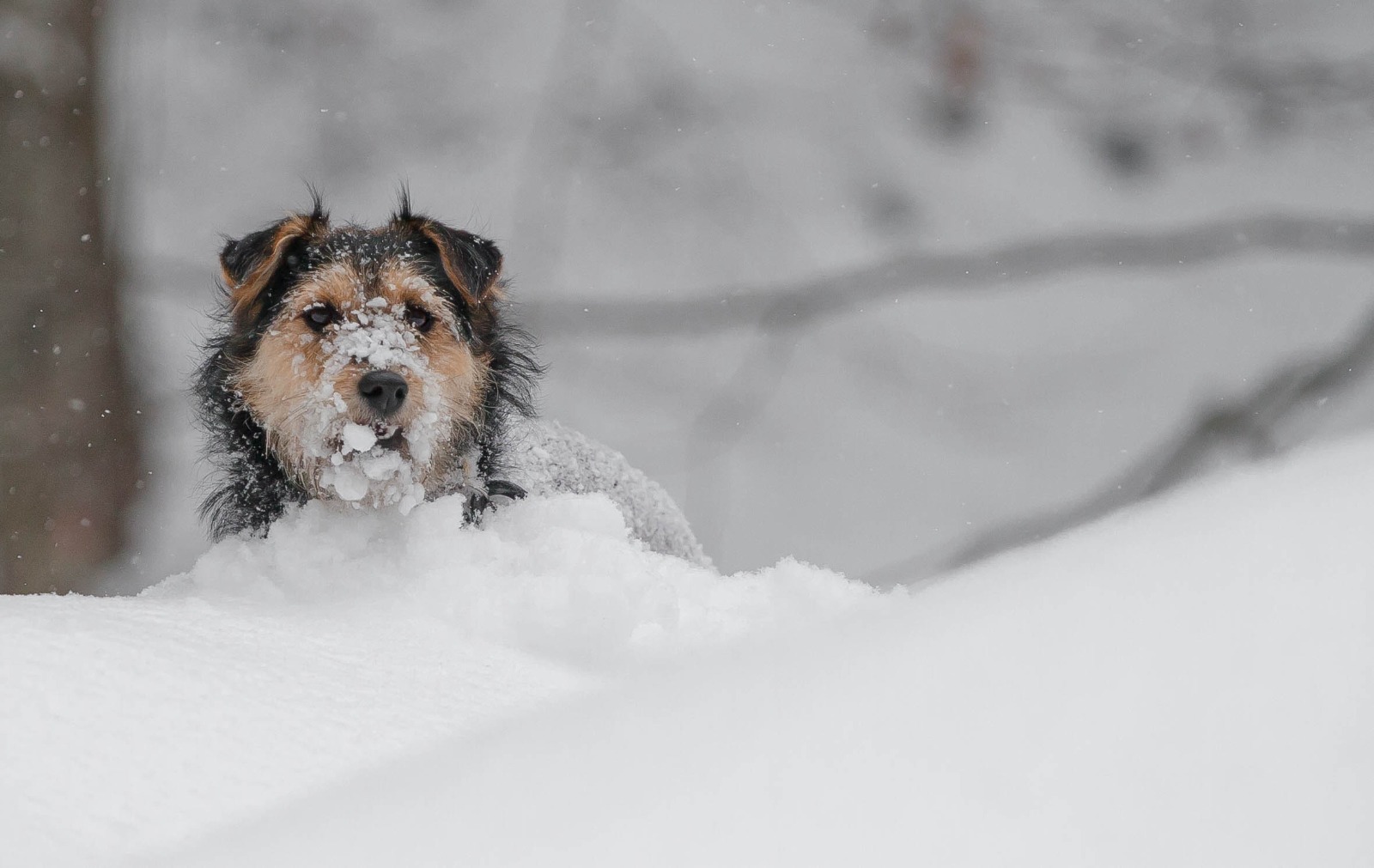
1) Free range dogs are not clothed. Otherwise, your clothes could get wet and keep them colder than warm. Starting from the assumption that it is a dog suitable for outdoor life, it does not require a coat
2) The place where our dog sleeps or where he can take refuge in case of rain/snow/blizzard is very important. The ideal is to provide him with an isolated cage in a secluded place, strategically positioned so that the entrance is not exposed to the wind. The entrance to the cage does not have to be large, it must be just enough to fit the dog into the cage, in fact it is just a large hole that facilitates the entry of the wind/cold. The cage should not be placed directly on the ground. It’s good to have support, to be slightly elevated. The entrance to the cage is ideal to have a swing gate, this way the wind is prevented from entering inside. Under no circumstances should you store old clothes, bedding, pillows, quilts in the cage. These will inevitably get wet and hurt the dog a lot. Provide clean, dry straw in the cage. They are very warm, dry quickly and can be changed as often as necessary. The cage should not be much larger than the dog’s waist because this would disperse the heat released by his body. Obviously not too small to fit.
3) As I wrote above, food during the winter should be increased in quantity, contain more fat and for dogs that stay outdoors it is preferable that at least 1 meal a day is hot.
4) It is preferable that the quadruped is not kept tied up in the winter. He needs movement. Make him a larger enclosure to put the crate in so the dog can move around freely. If you must tie him down, make sure he has enough room to move. If he is tied too short, he won’t be able to move as much as he needs to and will always be cold.
3) Make sure the quadruped has fresh water available. It is best to place them in a safer place in a plastic or rubber bowl, and the water should be lukewarm. Tin bowls just make the water cool much faster. Change the water several times a day. You can put a small ball in the bowl that will float, this will make the water freeze more easily.
4) The dog’s fur must be brushed. This prevents the formation of shoes to which ice and snow stick. The combed fur acts as a shield against the cold. Do not groom outdoor dogs in winter.
5) During the winter holidays, when firecrackers, firecrackers and fireworks are heard everywhere, it is necessary to take safety measures. We know well that few dogs tolerate the noise they produce, which is why a very high number of losses are recorded during the holidays. Due to the loud noise, dogs get scared and try to run away. Unfortunately, some succeed. Therefore, if you have the opportunity during the holidays, take extra precautions so that the dog cannot escape from the yard. During the night, especially on New Year’s Eve, try to shelter him in a closed place, an entrance, a garage, a stable. If you still leave him out in the yard, make sure the fence is high enough so he can’t jump over it and if you keep him tied up, make sure the ties are solid so he can’t escape.
So, even if at first glance winter seems like a thankless job with many precautions, in reality it is a season much loved by our four-legged friends and it is a real pleasure for them to fly on the snow. We just have to take care of a few things and the rest of the fun is guaranteed.
latest posts published
Are heatwaves and heatwaves coming? Here’s how to protect your dog
8 activities your dog will love
Your dog can feel happy! Here’s how:
Dog too rebellious? Here are some causes of this behavior
Basset Hound – The nobleman with long ears and a sweet heart
9 dog breeds suitable for mountain trips

Are you going to work or on holiday? Here’s everything you need to do to leave your dog safely at home

How your pet can help you adopt a healthy lifestyle
An iconic breed, much more than a lap dog