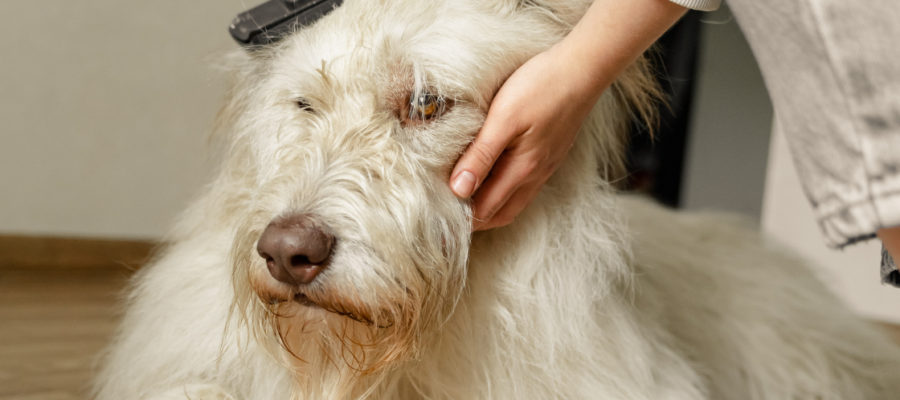

Too much food can lead to overload of the entire system and obesity. Furthermore, the dog can develop digestive disorders which can trigger chronic diseases in the future.
An essential aspect must be considered: the owner’s food choices and lifestyle habits have a direct influence on the animal’s health. A dog has similar needs to humans that need to be understood. He does not have the discernment ability to receive everything that the master offers him in terms of food. If you have no experience raising a dog or other pet, you should contact accredited people who can offer you advice on developing a suitable diet.
Sometimes you may be tempted to offer your dog food from the table, treats, fruits or vegetables, but you must take into account that some can have a toxic effect on the animal’s body. Avoid feeding your pet food intended for human consumption before receiving approval from your veterinarian or dog trainer.

Each dog breed has certain dietary needs. For example, for an animal that makes a lot of physical effort and is always active, it is advisable to offer it food that contains more complex carbohydrates to help the body produce energy. On the other hand, ingesting too much food will cause digestive upset in a medium-sized dog with limited physical activity. When the system fails to process food properly, gastrointestinal problems or allergies appear.
Veterinarians report numerous cases of malnutrition. There are many cases in which owners opt for poor quality feed which usually contains ingredients that are intensively processed or treated with various substances. By consuming this food, the animal regularly experiences digestive problems such as diarrhea, nausea, vomiting or constipation.
In some more severe cases, the pain and discomfort associated with these problems can prevent animals from feeding, which leads to the onset of other health disorders.
The digestive system and its functions

The dog’s digestive system includes all the organs that play a role in the assimilation and processing of food. It begins with the mouth and continues to the esophagus, stomach, liver, pancreas, small and large intestine, rectum, and anus. The digestion process begins when the animal takes food with the help of its mouth and begins to chew it. The enzymes present in saliva have the role of breaking down food into chemical substances. The process will continue with swallowing, processing in the stomach, absorption of nutrients and elimination of waste.
Digestive system problems can be divided into 4 categories. They are established in relation to:
1. Digestion
2. Nutrient absorption
3. Motility (contractions of the intestine that ensure the movement of food along the digestive tract)
4. Elimination of feces
Symptoms of stomach problems
The dog has many ways of manifesting itself when it experiences a health problem. Maybe you have faced the situation where he experienced vomiting or diarrhea after a simple outing to the park.
To help you better manage your pet’s health problems, you can discover the main signs of digestive disorders. These are: refusal of food, diarrhea, vomiting, weight loss (mostly due to excessive vomiting and diarrhea), apathy, and disinterest in activities that normally bring him pleasure.
These can occur in isolation, but if they recur, a visit to the vet is necessary for a general evaluation.

More information related to stomach problems:
1. Diarrhoea It is one of the most common signs of digestive disorders. This can have several causes. In most cases this is an isolated event and there is no need to worry. In cases where the dog has liquid stools for more than 2-4 days, a specialist medical examination should be considered
.
2. Problems in the assimilation of nutrients. Intestinal malabsorption is defined as the inability of the digestive system to adequately absorb nutrients. The dog may also experience pain due to inflammation of the abdominal membranes, which may vary in intensity. Bacterial infections can also cause watery diarrhea (due to hypersecretion of fluid in the small intestine).
3. Color change and stool consistency are also signs of digestive problems. For example, dark, blackish-looking stools can signal the presence of bleeding in the stomach or intestines.
4. Vomiting – they are normal manifestations when a toxic or incompatible substance with the digestive system is ingested. Excessive episodes and repeated vomiting that contain blood are warning signs and can indicate a variety of disorders or illnesses.
Before going to the vet you can help your dog by giving him home care such as: quality and easily digestible food, fresh water, rest and short walks.
In most cases, diarrhea or vomiting can be treated at home and digestive activity can be rebalanced in 1-2 days. Give the dog a comfortable place to recover and plenty of compassion.
However, the aggravation and subsequent manifestations must be treated with care and veterinary intervention is necessary.
latest posts published
Are heatwaves and heatwaves coming? Here’s how to protect your dog

8 activities your dog will love

Your dog can feel happy! Here’s how:

Dog too rebellious? Here are some causes of this behavior

Basset Hound – The nobleman with long ears and a sweet heart

9 dog breeds suitable for mountain trips

Are you going to work or on holiday? Here’s everything you need to do to leave your dog safely at home

How your pet can help you adopt a healthy lifestyle
An iconic breed, much more than a lap dog