
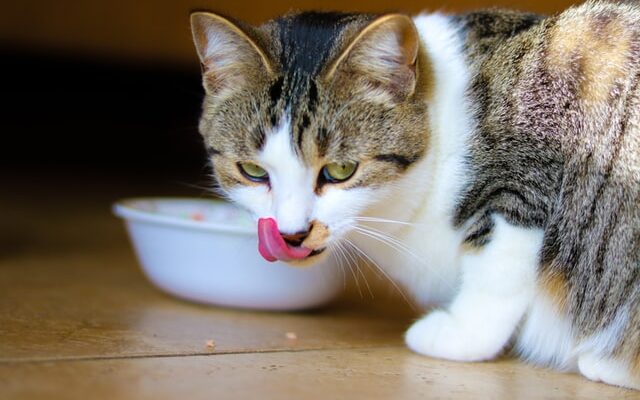
Meal time is a special time for your cat
Many years ago the French writer François de la Rochefoucauld stated that “eating is a necessity, but eating intelligently is an art”. The same goes not only for us humans, but also for our small pets!
Did you know that feeding your cat correctly is the most important thing you can do for his health? With so much information available, choosing the right diet for your feline friend can be a confusing task.
Let’s not forget this for a moment: cats are unique animals, and even though we consider them pets today, they still retain their natural hunting instincts from their ancestors: wild cats. This means that their diet is slightly different to that of a dog and the frequency of meals will often vary as well.
No matter what breed of cat you have, this simple cat feeding guide will help you keep your cat healthy and help you eat well.
What should cats eat?
To feed your cat the right diet, you need to understand your cat’s eating behaviors in the wild. Cats are called “obligate carnivores,” which means they must include meat in their diet to survive and thrive. Cats are hunters too. Did you know that wild cats spend about 12 hours a day hunting small prey, which they then eat?
Although your house cat has the privilege (more than ever, these days) of not having to search for food, it still has that natural instinct to want to hunt and feed on small but frequent amounts of food throughout the day.
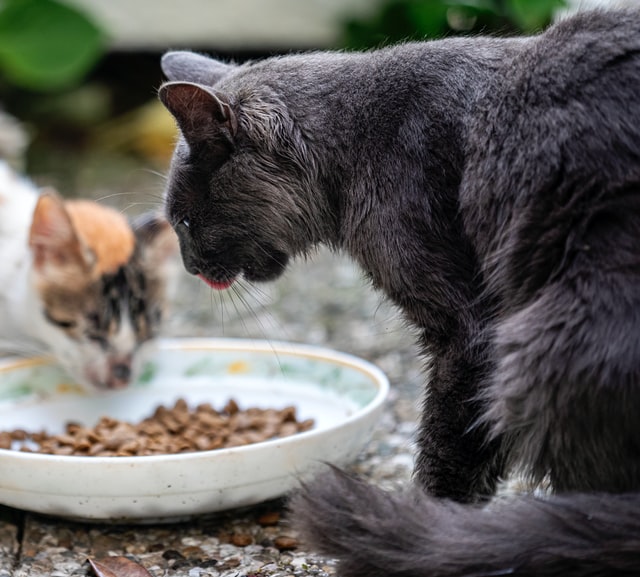
So, to keep your cat healthy on a diet that mimics his natural eating behavior, you should include the following foods:
- Animal proteins (such as beef, poultry, and fish)
With proper nutrition, cats can get all of their essential amino acids from the proteins they ingest, and since proteins are what strengthen organs and tissues, it becomes obvious why this is so important. If you want your cat to live a long and healthy life, protein is a must. When they have enough, their fur will be shiny, their eyes will be bright, and they will move easily because their tendons will be elastic (and the list of benefits goes on).
- Wet or dry cat food (or a mixture of the two) containing a balance of meat, essential fatty acids, fiber and carbohydrates.
Carbohydrates are an excellent source of energy for your cat. The more energy she can expend, the more active she will be and this will keep her fit and healthy for longer. Remember that cats sleep up to twenty hours a day, so when they are awake it is important that they move as much as possible.
As with humans, a balanced diet for cats will include fat, which will most often come from the meat they eat, although other sources exist, including fish. “Good fats” are essential for a healthy cat and, when combined with beneficial fatty acids such as Omega 3 and Omega 6, will ensure optimal health for your cat. Cats need fresh, clean drinking water to stay hydrated and reduce the risk of urinary tract infections. Cats should not drink cow’s milk because most cats lose the ability to digest lactose after weaning.
Carefully formulated treats and treats for cats to eat throughout the day (as long as you limit these treats to 10% of their total calorie intake)
How often should you feed a cat?
We know that in the wild, cats eat small, frequent meals throughout the day, so it’s best to replicate this behavior by feeding your cat small, but frequent meals at home.
Of course, your cat’s age and food preferences will determine how often he will eat.
As a general rule, kittens up to 6 months will need age-specific food, approximately four times a day. Adult cats will feel fine on just two small meals a day. Once a cat becomes an adult, at 1 year of age, once or twice a day is adequate, as long as it is fed a cat food specially formulated for adult cats and contains all the essential nutrients it needs.
When feeding your cat, you should follow these tips:
– Use a shallow bowl for food and water and avoid using plastic bowls (because they can give off odors that can discourage the cat from eating)
– Keep the cat isolated while feeding it. Why? Because cats prefer to hunt and eat alone.
– Consider a puzzle feeder to stimulate their natural hunting instincts
– Uneaten dry or wet food must be replaced daily.
– Store food, water and litter in different places so that the cat knows that the food and water are clean.
How much should you feed your cat?
One of the most difficult aspects of feeding cats is determining how much food you should give them.
A simple suggestion? Feed the cat according to the instructions on the cat food package. These instructions provide a detailed guide on how much food you should give your cat based on its age and weight.
Finding the right eating plan for your cat will also depend on your cat’s food preferences and lifestyle.
For example, if you want to feed your cat at the table, you should feed it twice a day, at breakfast and dinner, without snacks in between. If your cat prefers to snack during the day, you can give him free choice eating by offering him small but frequent meals throughout the day, so that he eats according to his schedule.
The third feeding option is to offer a meal and free feeding combination, where canned food is offered for breakfast and dinner, while dry food is offered for your cat to munch on throughout the day.
You will need to monitor your cat’s diet for a few weeks to make sure he is not losing or gaining weight. Don’t forget that if you are worried about a possible change in your cat’s weight or eating behavior, it is a good idea to consult your vet.
When feeding cats, balance is essential. The best cat food is premium cat food that contains no fillers and uses only healthy, nutrient-dense foods. High-quality cat food will be specially formulated to maintain your cat’s health and weight. If you are unsure about the best food to give your cat, ask your vet or pet store – like PETMAX. Try to avoid overfeeding your cat by following the serving suggestions shown on the cat food package or box. While a fat cat may seem cute, obesity in cats is a real concern and can lead to health complications (as we’ll see in the examples below).
Don’t make these serious dietary mistakes
Now, after discussing the main tips and tricks that you can immediately apply to your cat’s eating routine, here are also the things you should avoid. What frequent mistakes are found among feline owners when it comes to food?
- You give him too much food every day
More doesn’t necessarily mean better! We know this, especially when it comes to obesity: this nutritional condition is often found not only among us humans, but also among pets! Beyond appearance, this disease can very often lead to arthritis, diabetes and other serious pathologies. The solution? Let us never forget that today’s cats are more sedentary animals, compared to a time when they spent a lot of time outside, in the countryside (or even in the city) and were more active. They now consume fewer calories, have much lower nutritional needs, so it’s easy to “overfeed” them.
Keep a calendar to see how much food you give the cat (you can keep a calendar); Weigh your food bowl at each meal and make adjustments as needed.
2. Don’t rely on recipes and homemade food
Maybe you constantly cook for yourself or your family and think you can prepare some extra food for your pet? Also, has it occurred to you that your cat or dog can eat what you eat… However, the saying that a home-cooked meal is healthier than one from the store does not apply to cats.
Why? Because these diets do not contain enough vitamins and nutrients, necessary for a satisfying life. Let’s take a simple example – very often food at home does not contain basic acids for animals – such as taurine; its lack can lead to heart disease. Consult your veterinarian and create a balanced recipe appropriate for your cat. Discover dozens of products and promotions on dry cat food, here.
3. Insufficient water
Are you in a hurry and forget to give water to your favorite pet? Water is vital, both for our pets and for us. Did you know that water makes up about 70% of an adult cat’s body weight? If this is missing, there can be serious repercussions for pets, leading to serious illness or even death.
Although wet cat food helps satisfy the need for hydration, our felines should still have several sources of fresh water available in the house – if there is a favorite place for the cat, water should not be missing from there. Some cats prefer tap water; others may detect the taste of chlorine in this water, so you may need to purchase bottled water.
4. Toxic foods and foods
Never give cats the following substances as they are toxic to them (note that this is not a complete list): alcohol, onions, onion powder, garlic, chocolate, coffee or caffeine products, moldy or spoiled food, avocado, bread dough, grapes, raisins, sultanas, currants, nuts (including macadamia nuts), sunflower seeds or fruit “pips” (e.g. mangoes, apricot kernels, avocado pits, corn cobs, tomatoes, mushrooms, cooked bones, small pieces of raw bones, fat/fatty food residue, salt and coarsely chopped vegetables.
Also, make sure your cat doesn’t have access to string around rolled steaks or absorbent pads found under some prepared foods in trays.
Taking care of cats is hard work, but ultimately it is one of life’s most rewarding experiences.
latest posts published

Are heatwaves and heatwaves coming? Here’s how to protect your dog

8 activities your dog will love

Your dog can feel happy! Here’s how:

Dog too rebellious? Here are some causes of this behavior

Basset Hound – The nobleman with long ears and a sweet heart

9 dog breeds suitable for mountain trips

Are you going to work or on holiday? Here’s everything you need to do to leave your dog safely at home

How your pet can help you adopt a healthy lifestyle

An iconic breed, much more than a lap dog