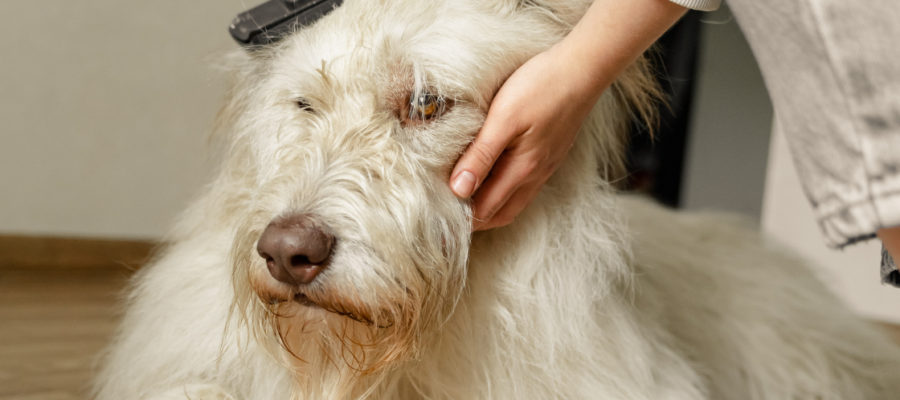

Let’s start with…the bottom line: kids should have dogs
Numerous studies show that owning a dog brings significant benefits to the social-emotional development of young children. How come?
Children and dogs are a perfect match, but you may not know why the dog benefits younger family members in more ways than you might expect.
Research from a recent study showed that dogs benefit children’s social and emotional development, and that, compared to young children without dogs, young owners were less likely to have behavioral problems or problems with their peers.
Published in Pediatric Research (part of the European Society for Pediatric Research), the study highlights the benefits of physical activity and socio-emotional development of dog ownership for children.
The researchers’ findings suggest that dog ownership and dog-walking interactions are important mechanisms for facilitating preschool children’s social-emotional development.
Preschool children from dog-owning families had 30 percent fewer peer and conduct problems and more prosocial behaviors than children from dog-free families; Preschoolers from dog-owning families who walked or played with their dog more often were 34 percent more likely to engage in pro-social behaviors. The good news? Is it never too early? The good news starts as early as two years old!
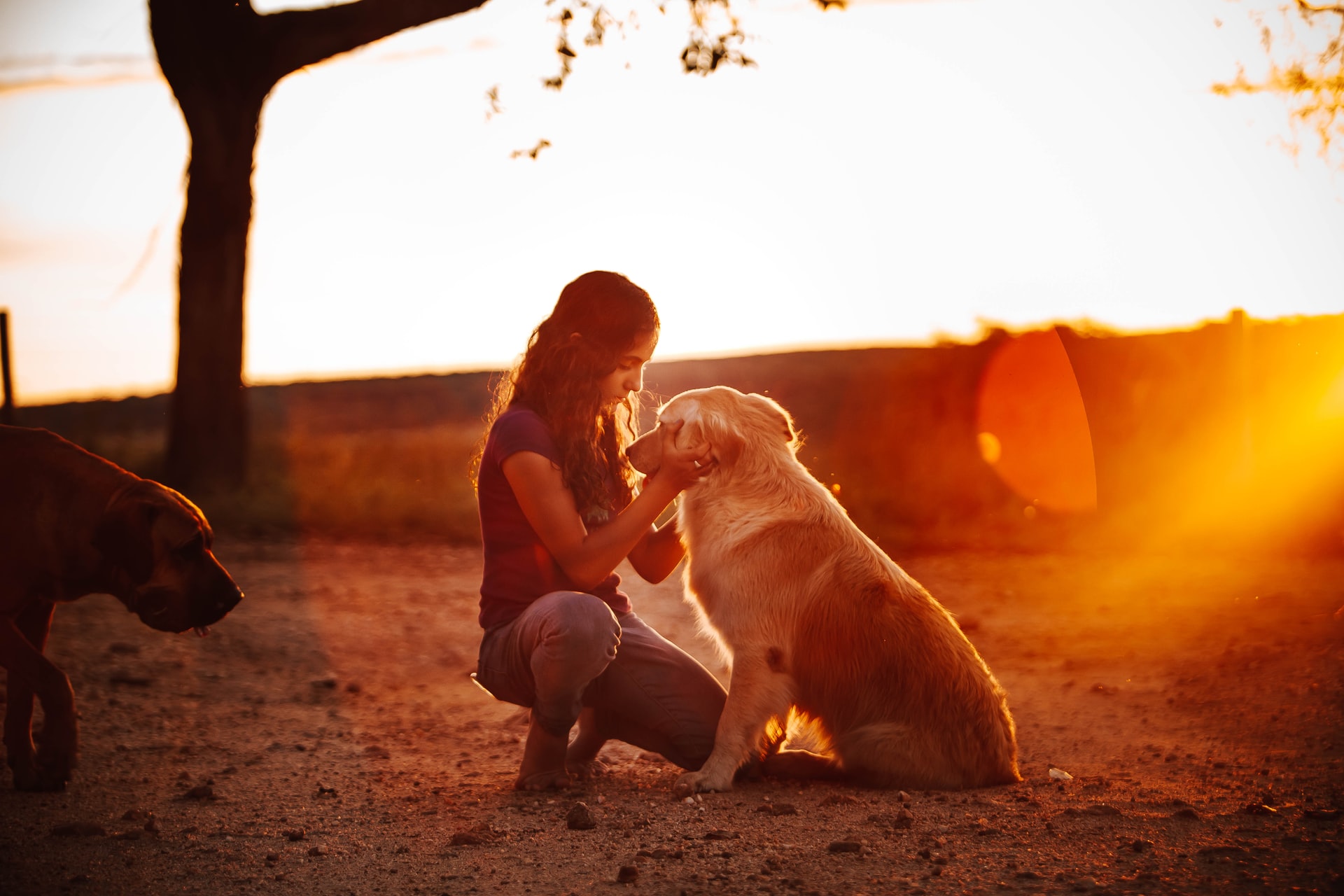
Because love always passes through the stomach, choose to buy the best food for the family dog, from Petmax!
How to keep children safe
There is nothing cuter than a baby and his best friend, the furry little one, by his side every day. However, both children and dogs must learn to interact with each other. Children may play too rough with dogs and dogs may think that children are puppies. Anything can happen without proper supervision. So let’s look at some tips for protecting children from dogs.
Keeping your dog and your child safe with each other while teaching them to be friendly is easier than it seems. If they didn’t grow up together, they both need to learn to respect each other. Here are some of the best tips we’ve collected for keeping kids safe around dogs.
● Give your dog and children their space
One of the best things you can do is to allow the kids and dog to have their own space. For example, your dog should have a dog bed or kennel to retreat to when he needs time alone. Additionally, your children should not approach your dog when he is in crates or beds.
Also, if your dog is sleeping, you will need to teach your children not to wake him on purpose. Children can be noisy when playing, so the dog might wake up, but you don’t want them to come up to the dog and shake it.
Dogs may fall into a deep sleep and, if awake, may growl or lunge at children. Then, when the pet is settled, make sure the kids know that the dog needs some alone time too.
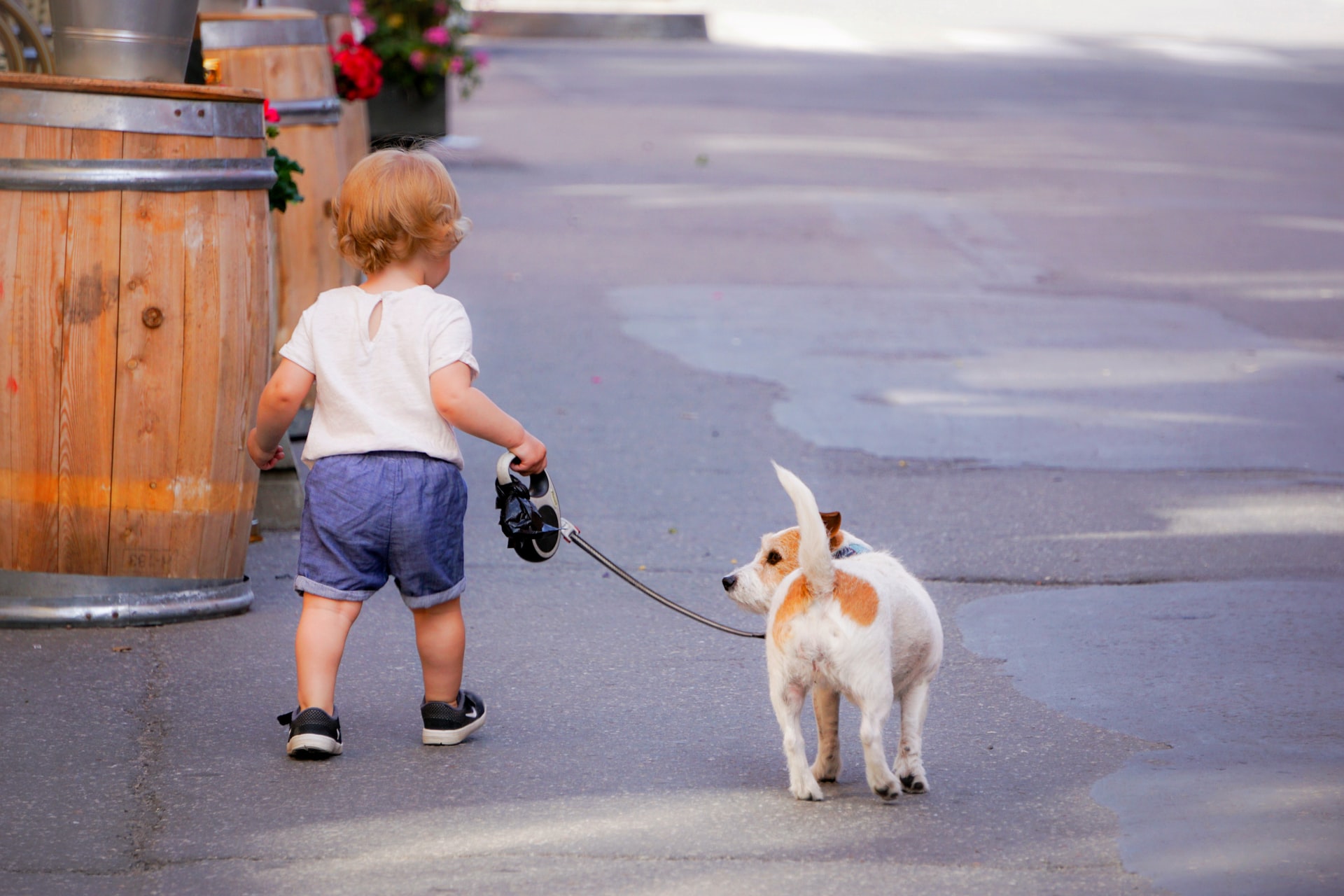
Pet grooming is also very important: find advice and a suitable dog and feline grooming salon here!
● Teach your children to respect your dog’s boundaries and vice versa
In addition to having his own space, your dog will need some time to himself when he’s not in bed. For example, when they eat. It’s an instinct for dogs to quickly devour food if their companions eat it all. So, even if you only have one dog in the house, your dog may still try to eat his food quickly.
So, if you or your child tries to disturb the dog while he is eating, the dog may assume that you are trying to steal the food. This may cause the child to growl, bark, or jump at you. In general, teach children to know when to leave the dog alone.
On the other hand, you will have to teach the same thing to the dog. For example, when children eat at the table, they may be messy and accidentally drop crumbs on the floor. Not to mention, some children will intentionally feed the dog human food. If your children feed the dog at the table, sooner or later the four-legged friend will ask for food at every meal. So you will have to teach your children not to give food to dogs.
You will also need to teach your dog that he is not allowed into the kitchen or living room during mealtimes when the family is eating. So it all comes down to setting boundaries. Once these are set up, kids and dog will be able to give each other the space they need.
● Understand your dog’s body language
If you have a dog, you definitely know a little about his body language. For example, when they are lying with their tails and backs up, they want to play. On the other hand, you know that if his tail is between his legs, it means that your dog is excited or angry.
In general, your dog is relaxed when he displays the following body language:
– Relaxed muscles
– The tail and ears are in their normal position
– Round eyes
– The tongue sticking out of the mouth
When your dog is nervous, worried or upset, he may do the following:
– Have a rigid body
– Look carefully with eyes wide open
– The ears are erect or set back on the head
– The tail is between their legs
Of course, you can quickly tell if your dog is unhappy if he growls, snarls, barks or snarls.
Teach your children to recognize this body language. For example, if the dog plays bowing, your child knows that it is safe to play with the dog. On the other hand, if the dog’s ears are pinned back, your kids may recognize that the dog doesn’t want to be touched or played with.
● Always supervise children and dog when they are together
Whether they play together indoors or outdoors, you will need to supervise them. Even if the kids and the dog get along, anything can happen. Sometimes a child might misinterpret the dog’s body language, or the dog might get carried away and start playing too rough.
It’s better to be safe than sorry, so be sure to keep an eye on dogs and children when they play with each other.
Dogs and children can be best friends
Over time, children and dogs will become best friends. They will learn to understand each other and give each other space (and time) – this is something that both children and dog need to learn as soon as possible.
Discover the most beautiful toys and accessories for dogs of all ages and breeds in store!
Tips for choosing your child’s first pet
Getting your child’s first dog is an exciting and exciting prospect, however there are some things to consider. Of course, every child is different in how they interact with each other and with animals. However, there are some general recommendations:
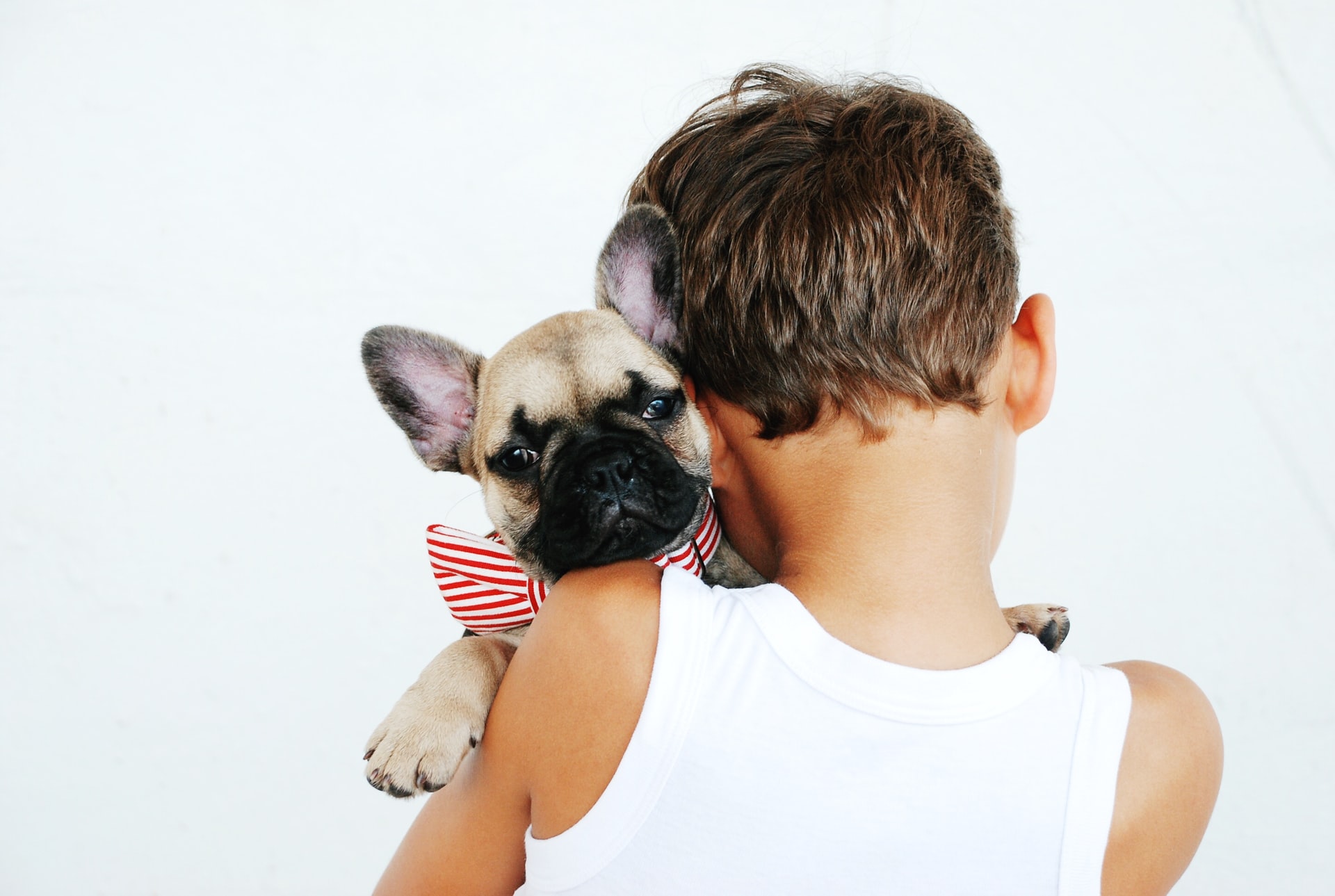
Choose a pet that is right for your family and that you will have the patience to care for when needed. What to pay attention to?
- Are there any existing allergies?
First, consider any allergies in your home. Some animals are known to aggravate them and are worth avoiding when looking for the right first pet for children.
Even if someone in your family has allergies that aren’t related to your pet, it’s important to take them into consideration. Some animals are known to worsen hay fever symptoms, skin irritation and more severe reactions.
- Think about your free time
Getting a pet for your little one can be incredibly exciting for them. Several studies suggest that caring for an animal is extremely beneficial for children’s cognitive development and understanding their emotions.
Despite this, it is worth thinking about how much free time you have to take care of the dog. Any animal you get as your child’s first pet may need your daily attention. This includes physical affection, walks and grooming.
Remember that you may need to dedicate some of your time to this process, so it’s worth preparing in advance. Although older children are less likely to make mistakes when caring for a dog, younger children will need a little more careful supervision.
- How much space do you have at home?
Another important factor to consider when choosing your child’s first dog is how much space you can reserve for an animal in your home. Dogs and cats can walk freely around the house. Their large bodies can easily knock things over, and many want room to run and explore.
It’s also worth considering how much maintenance a particular animal needs. Food, bedding and toys are also additional costs that might be worth thinking about.
There are many things to consider when it comes to finding the right pet for your child. It’s important to carefully research how much space each dog breed needs, what’s involved in maintaining it, and what type of environment they thrive in.
Choosing a dog is a huge commitment and can give your little one a sense of responsibility. Encouraging them to care for something smaller than themselves and to consider the needs of another creature can provide excellent enrichment for both boys and girls.
Read on the blog about dog deworming, which is important for the children in our family!
Instead of conclusions
Having a dog as a family pet can be an amazing experience for children. These little non-speaking friends can teach children responsibility and empathy. Plus, they also make a great way to get everyone outside, helping to keep the whole family fit and active!
We know that having a dog in your family can be great for so many reasons, but unfortunately sometimes accidents happen. Knowing how to understand and interact safely with dogs is a very important skill for the child, who needs to keep not only him but also the new four-legged family member safe.
latest posts published
Are heatwaves and heatwaves coming? Here’s how to protect your dog
8 activities your dog will love

Your dog can feel happy! Here’s how:
Dog too rebellious? Here are some causes of this behavior
Basset Hound – The nobleman with long ears and a sweet heart
9 dog breeds suitable for mountain trips

Are you going to work or on holiday? Here’s everything you need to do to leave your dog safely at home

How your pet can help you adopt a healthy lifestyle
An iconic breed, much more than a lap dog