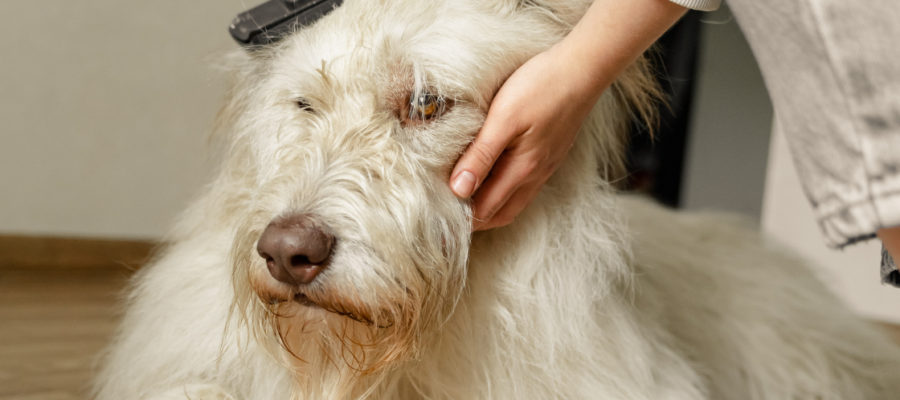

The origin and history of the Carpathian Shepherd, a Romanian breed with deep roots in the Carpathians
Taste Carpathian Shepherdalso known as Romanian Carpathian Shepherdis a dog breed originating from Romania. It is considered one of the oldest native breeds in the country and has a long history in the Carpathians, from which it takes its name.
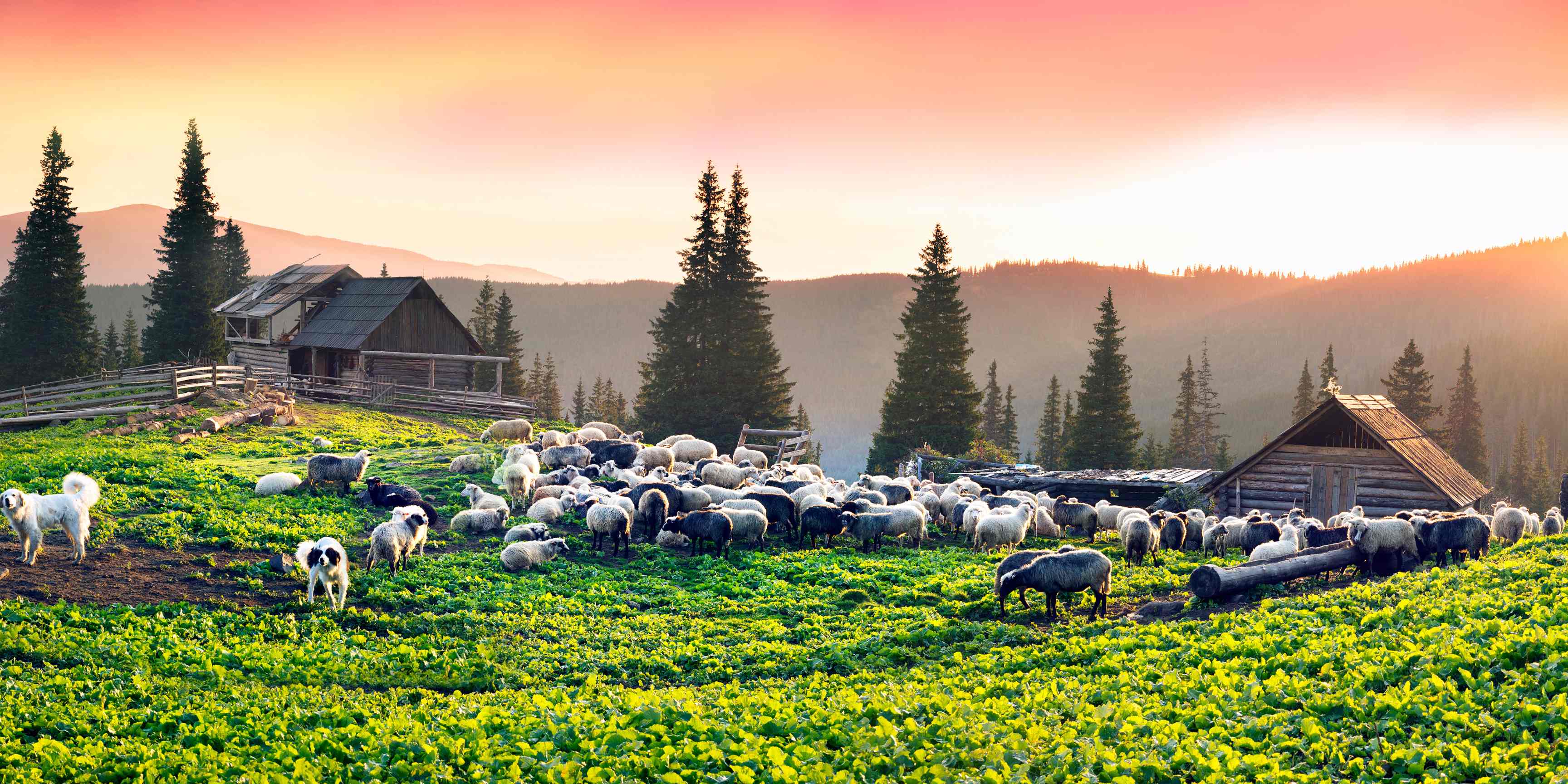
The history of the Carpathian shepherd breed is linked to its traditional role as a guard dog and protector of sheep flocks and properties in mountain areas. The Carpathian shepherd has been used over time to guard flocks and protect stables from predators, such as wolves or bears. The intelligence, courage and loyalty of this breed have made it highly prized by Romanian shepherds.
These dogs adapted well to the harsh conditions of the Carpathian mountains and developed into a hardy, strong and hard-working breed. They are known for their ability to guard flocks and property, but also for their skill in animal management and surveillance of the territory.
As time passed, the Carpathian Shepherd became more and more appreciated outside Romania, and today it has been recognized as a distinct breed and officially registered by various international cynological organizations, such as International Cynological Federation (FCI).
The Carpathian Shepherd breed is still used today as a guard and protection dog, but it has also gained popularity as a pet thanks to its characteristic qualities, such as intelligence, loyalty and protective behavior towards the adoptive family.
What a Carpathian Shepherd looks like: an impressive dog, adapted to life in the mountains
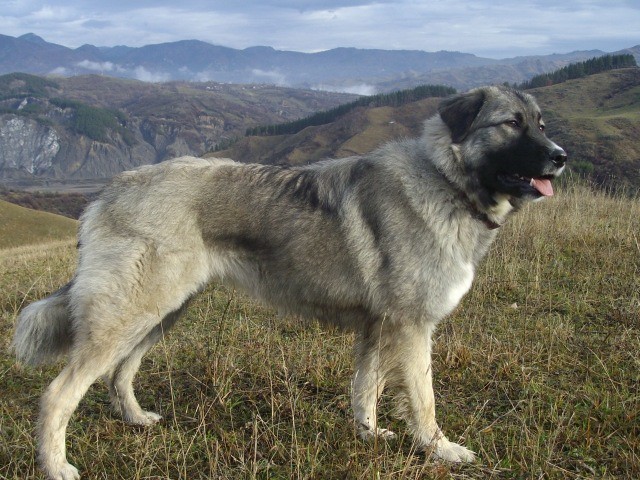
The Carpathian Shepherd is a large, strong and well-proportioned dog. It has an imposing appearance, suggesting a combination of strength and agility. Its physical appearance reflects the traditional role it had in protecting herds and property in the Carpathians.
Males have a height at the withers (the highest point of the shoulder) between 65 and 73 cm, while females have a height between 60 and 68 cm. Their weight varies depending on the sex and according to the breed standard, males weigh between 65 and 80 kg and females between 55 and 70 kg.
The Carpathian Shepherd has an imposing head, proportional to the body. The muzzle is strong, of medium length and slightly conical in shape. The eyes are medium-large in size, oval in shape and usually colored in accordance with the color of the fur.
The Carpathian Shepherd’s coat is double, with a rough outer layer and a dense, soft inner layer. Fur is resistant to adverse weather conditions and contributes to thermal insulation.
The Carpathian Shepherd can have various colors, the most common are black, grey, brown, with or without white spots on the chest and legs. There is no specific mandatory color for the breed standard.
It is important to remember that the breed standard may vary slightly depending on the cynological organizations and the country in which it is applied. The physical appearance of Carpathian Sheepdogs will be influenced by the selection line and how they were bred and cared for.
See also the article on our blog How to prevent nutritional deficiencies in canine diets
Character and temperament: a courageous guard, but loyal and devoted to his family
The Carpathian Shepherd is known for his intelligent, loyal, courageous and protective personality. These dogs were bred to have qualities that make them excellent guards and protectors of sheep flocks and properties in mountain areas. Their distinctive personality also makes them devoted companion dogs and dedicated to their families.
They are very loyal dogs and devoted to their family. They are strongly attached to their owners and are willing to protect their family at the cost of their own lives. The Carpathian Shepherd is a courageous dog, who will not hesitate to face dangerous situations to protect his flock or his family. This feature makes him an excellent guardian and a reliable companion in difficult times. They are also known as very intelligent and receptive to training dogs. They enjoy learning and being involved in activities that stimulate their minds. Thanks to these characteristics they are able to understand complex commands and learn quickly.
Although they are very loyal and family-attached dogs, Carpathian Shepherds can also have an independent side. This characteristic comes from their historical role of working independently in the Carpathian mountains, supervising herds of animals.
The Carpathian Shepherd may have a distinct form of communication with its family and other animals. He may bark, growl or wag his tail to express his status or to attract attention. Due to their nature as guard and protection dogs, Carpathian Shepherds can be reserved or have a cautious attitude towards strangers. With proper socialization and education, they can be encouraged to be more open and friendly in the presence of other people.
These dogs have a high energy level and need regular exercise to be healthy and happy. If they are not involved in activities that stimulate them physically and mentally, Carpathian Shepherds can become bored and destructive.
Daily care and needs: what you need to know to have a healthy and happy Carpathian
Caring for a Carpathian Shepherd is important to ensure good health, a shiny coat and general well-being. This type of dog requires special attention, because it requires exercise, a balanced diet and adequate care to maintain its physical and behavioral qualities. Here are some tips for caring for your Carpathian Sheepdog:
1. Carpathian Shepherds are active and energetic dogs, so they need daily exercises to burn off their energy. Make sure you give them enough exercise, long walks and play sessions to keep their physical and mental condition in peak condition. Because these dogs can be reserved around strangers, it is important to socialize them with people and other animals from an early age. This will help them become friendlier and more confident dogs around other people and animals.
2. Furthermore, a balanced and healthy diet is essential for your dog’s health. Choose quality foods, suited to his nutritional needs and make sure you offer him the right portions to maintain a healthy weight.
The Carpathian Shepherd has a double coat that requires regular grooming. Brush it regularly to prevent tangling and remove dead hair. During moulting periods this activity must be carried out more frequently. Also, check and clean your dog’s ears and eyes to prevent infections.
3. Provide a comfortable and safe living environment for your dog. A large, clean space, with access to shelter and fresh water, will contribute to his well-being.
Read also the article The unknown connection between prebiotics, probiotics and dog (and cat) health
Training and education: how to raise a balanced and obedient Carpathian Shepherd
Training a Carpathian Shepherd is an essential part of this dog’s growth and education. Because Carpathian Shepherds are intelligent and loyal, but can also have an independent side, it’s important to approach training with patience, consistency, and positive methods of encouragement. Here are some tips for training your Carpathian Sheepdog:
- Training should start from the first weeks of the dog’s life, when he is still a puppy. Establishing a solid training foundation early on will help him grow into a well-behaved and balanced adult.
- Use positive reward methods. The Carpathian Shepherd responds well to positive training methods, which involve rewarding desired behaviors, such as praise, petting and food rewards.
- Avoid harsh training methods based on physical punishment, because they can lead to dog alienation and disobedience.
- Be consistent and clear in your commands: make sure you use clear words and distinct gestures for each command and don’t give up. Carpathian Shepherds can learn quickly, but they can also be mischievous if they receive mixed signals or don’t understand what is being asked of them. Socialization experiences are essential to developing a friendly and confident Carpathian Shepherd.
- Allow him to interact with different people, other animals and different environments, to get used to new situations and to learn to behave appropriately.
- Training should be a team effort, involving all family members. Everyone should use the same commands and apply the same rules to avoid confusing the dog.
- Be firm and accommodating leaders. Carpathian Shepherds need a firm and consistent human leader, but also a loving and forgiving owner. Achieving a balance between these aspects is important to develop a trusting relationship with your dog.
Health problems and prevention: what conditions can occur and how to avoid them
The Carpathian Shepherd’s health is generally robust, but, like any dog breed, it can be prone to some health problems. Understanding these potential conditions and providing appropriate veterinary care can help maintain your dog’s health. Some of the health problems specific to Carpathian Shepherds:
– Hip and elbow dysplasia: is an inherited condition in which the hip or elbow joints develop incorrectly, which can lead to pain and difficulty with mobility. It is important to purchase a puppy from a responsible breeder who tests the parents for these conditions.
– Bone and joint diseases: Carpathian Shepherds, due to their large size, may be subject to other bone and joint problems, such as osteoarthritis.
– Heart disease: Some heart conditions, such as dilated cardiomyopathy, can affect this breed. Regular monitoring and heart tests can help detect heart health problems early.
– Eye diseases: Carpathian Shepherds can develop some hereditary eye diseases, such as retinal dysplasia and cataracts. An eye examination by a veterinary ophthalmologist is important to detect and treat problems in their early stages.
– Digestive problems: Some Carpathian Shepherd lines may be more prone to digestive problems, such as sensitivities to certain foods or problems with the gastrointestinal tract.
Discover here the offer of foods and supplements for dogs of any breed.
In conclusion, to preserve the health of Carpathian Shepherds, it is essential to offer them a healthy diet, regular exercise and periodic visits to the vet for routine examinations. Additionally, purchasing a puppy from a responsible breeder who tests the parents for potential genetic conditions can reduce the risk of inheriting health problems.
latest posts published
Are heatwaves and heatwaves coming? Here’s how to protect your dog
8 activities your dog will love
Your dog can feel happy! Here’s how:
Dog too rebellious? Here are some causes of this behavior
Basset Hound – The nobleman with long ears and a sweet heart
9 dog breeds suitable for mountain trips

Are you going to work or on holiday? Here’s everything you need to do to leave your dog safely at home

How your pet can help you adopt a healthy lifestyle
An iconic breed, much more than a lap dog