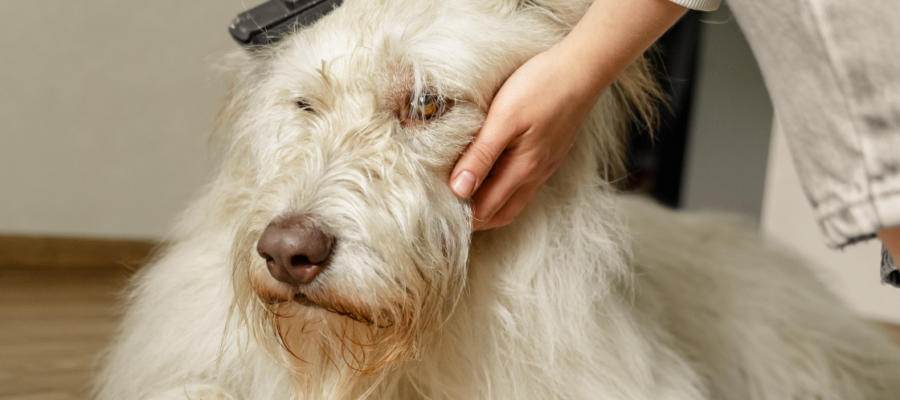

That’s why these things aren’t true when it comes to dogs or cats
Today’s specialists have come to the conclusion that people have owned pets for more than 30,000 years! So our long history with cats, dogs (and more) means there are many myths and misconceptions about owning these adorable creatures around the world.
Unfortunately, many of these preconceptions or misconceptions are not only incorrect, but are harmful to your pet’s health. If you own a dog or cat, it’s crucial to dispel these myths so you can give your non-speaking friend the best care he deserves.
Below you will find a number of common myths and misconceptions about pets. Read them all to discover the truth proven by science and be able to be more careful towards these wonderful companions.
It’s time to stop believing these “myths” and pay more attention to the things we hear
Myth 1 – Dogs eat grass because they are sick and it helps them. Fortunately, contrary to popular belief, dogs don’t eat grass because they feel nauseous or have stomach or digestive problems. How come? Many dogs eat grass because they enjoy it and see it as a form of entertainment or pastime. Other reasons include internal parasites and nutritional deficiencies in their diet.
Myth 2 – Cats always purr because they are happy. In Romania, most people associate the cat’s beautiful torso with a way to express happiness and pleasure. While this may be true many times, in many cases it is not. Why? It seems that this sound can actually signal aggression, fear and pain. It’s a good idea to look for other signs of a happy cat, such as tail and head movement.
Myth 3 – If you stay in the yard, your dog does not need other games or other forms of movement or walks. It’s a wonderful thing to have enough space for your four-legged friend to run and play, no one denies that. But don’t be fooled (and don’t lie on your back): don’t think that daily walks and other forms of exercise aren’t necessary! How come? All of these more active forms of exercise help enrich your pet mentally and are a real support in meeting the physical needs of your four-legged friend. Additionally, walking is a great way to take more steps as an adult, youth or child.
Also read this useful article from the blog – “Dogs and children: things you need to know“
Myth 4 – Cats hate getting wet. Cartoons, jokes and stories partly tell us the truth: most cats don’t want to bathe or get wet in the rain. But do we know why this happens? Experts show that these small cats avoid these activities because the added weight of the water prevents them from sprinting quickly, like the predators that they are, and limits their defense mechanisms. However, there are some cat breeds that are very fond of water. What can you practically do? Start by bathing the kittens and get your cats used to being in the water for a longer time.
Myth 5 – Dog and cat hair is responsible for allergies. We hear it often: the fur of these animals causes allergies in humans. How can you know? Watch for symptoms, do skin (skin) or blood tests. What are the signs that can make you think about yourself or your children (regardless of age)? Symptoms range from watery eyes to sneezing, congestion or even coughing. However, it is good to know that it is not the hair itself that is harmful, but allergens are found in the skin, saliva and urine. So the fur is not to blame but she wears it anyway.

Are there animals that cannot cause allergies? Here’s another misconception. If a breed is said to be hypoallergenic, it simply means that that animal is less likely to cause allergies, but allergies can still be produced by that animal. Pets considered hypoallergenic don’t cause allergies as much as other breeds, but they can still make you sneeze or have other symptoms.
Myth 6 – Dogs always have clean mouths. Before you let your dog give you a big kiss or lick you, you should know that his mouth is not as clean as once thought. And like other animals, dogs’ mouths are actually full of bacteria. Imagine all the horrible things you saw while your dog was trying to eat… including excrement… Not exactly appealing, right?
Discover this guide on dog dental care on the Petmax.ro blog!
Myth 7 – The cats always landed on their feet. The idea that our little cats can fall from great heights and remain unharmed after such a splash is one of the most disturbing myths. Let’s be realistic! Every year many cats fall from windows or balconies and are seriously injured or even killed. That’s why it’s important to protect all windows and supervise your cat when you go out on the balcony.
Myth 8 – One “dog year” is equivalent to seven human years. This myth has no scientific explanation and is therefore not true. How come? This really depends on the size of your dog. A large breed aged approximately 15 human years at age 1. While a much smaller breed might age more slowly. A good way to encourage longevity is to keep your pet in good health through an excellent health program and the right food:
Consult our advice in store, in the dry dog food section:

Myth 9 – A wagging tail means your dog is happy. Is it true or false? The correct answer… sometimes true. We all know it: Dogs sometimes wag their tails when they’re stressed or anxious. Like the cat torso misconception, most people associate tail wagging with happiness and excitement (in dogs). Don’t get us wrong; many dogs wag their tail whenever they are happy and excited to see you. Sometimes they do it because they are scared or worried. Tail wagging is only the result of excitement or emotion, positive or negative. For this reason you will see many dogs wagging their tails before fighting with other dogs. Look for other signs to determine if your pet’s tail is wagging due to stress.
Myth 10 – Dogs are color blind. In reality, dogs can’t see all the colors we humans see, but they can see some. Therefore, their life is definitely more than just black and white. Dogs can see colors, but they don’t see them as vibrantly as we do.
Quadrupeds can see shades of blue, yellow and green, although the colors are not as bright in their perception. Their poor color vision is compensated for by their strong senses of smell and hearing.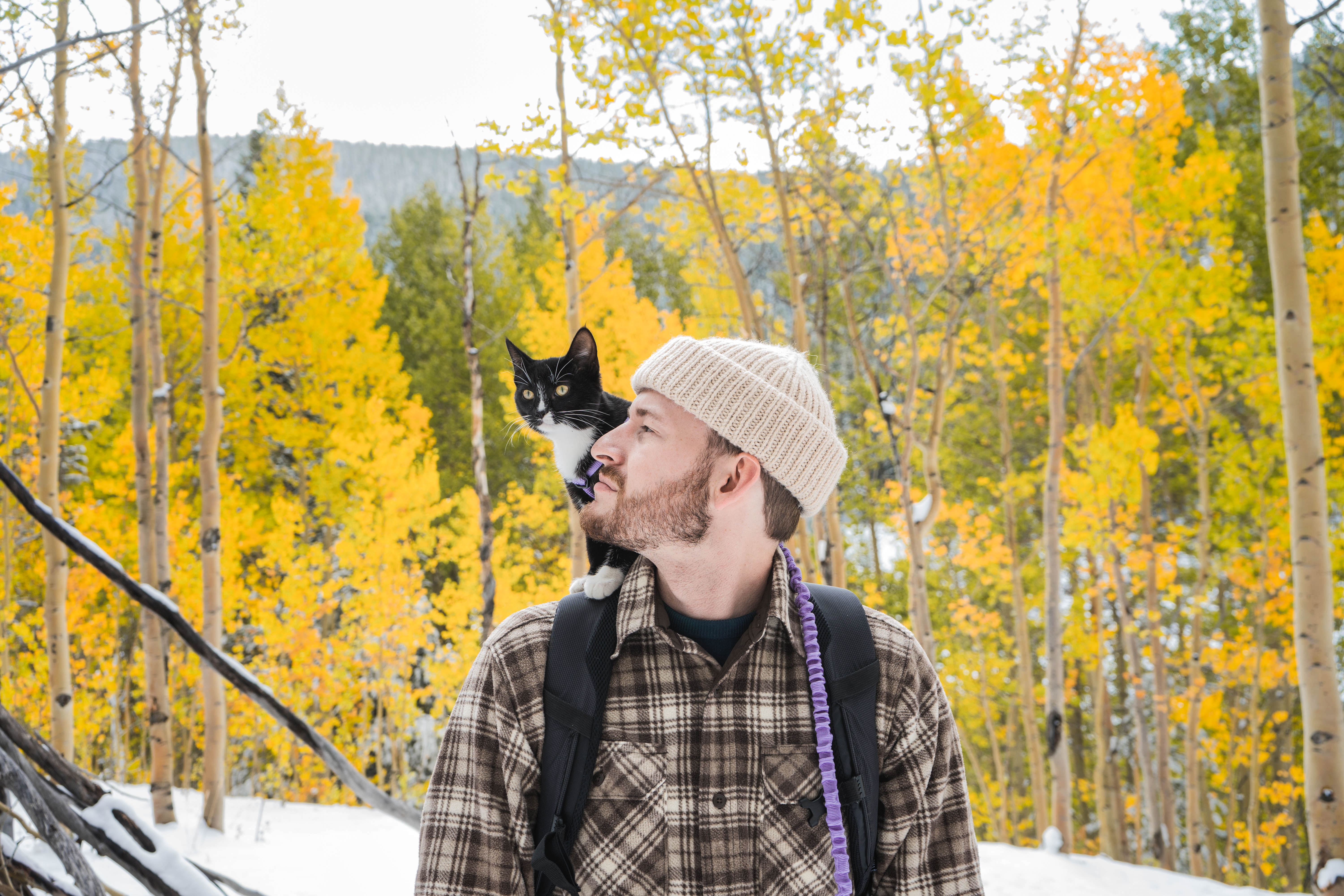
Myth 11 – Your dog is healthy if he has a wet nose. Hmmmm…. The truth is, the appearance of your dog’s nose will change based on activity. We know that even today some pet owners check whether their dog is healthy by looking at their nose. The verdict “If it’s wet the dog is healthy” is not a trick that always works! There are some situations where your dog’s nose should be dry: When your dog is sleeping, he will likely have a dry nose, and this is completely normal. Look for other signs to determine whether the dog is sick or healthy.
Myth 12 – Small animals do not require the same effort as large ones. True or false? Unfortunately… small animals are as big a liability as their other smiles. Many parents surprise their young children with a cute pet such as a guinea pig, hamster or others. There is a misconception that these creatures are easier to care for, which makes them more suitable for children.
Under no circumstances should children be responsible for the care of pets, even small ones. Small pets require the same care and attention as large dogs. Guinea pigs, for example, need their cages cleaned daily, fed twice daily, their nails trimmed regularly and treated with respect.
In other words, small animals require the same commitment as large animals. Don’t bring small exotic pets home unless you are willing to give them the lifestyle they need and deserve.
Myth 13 – Sterilizing a dog will negatively affect its personality. Fortunately, if your dog has always been an affectionate, fun-loving, and playful dog, neutering won’t change everything. If he’s a little aggressive with other dogs or wanders around the neighborhood a lot, neutering can make him a little more docile and more likely to stay at home.
I wrote about spaying and neutering dogs here!
Myth 14 – It’s okay for dogs to be a little more… full. Overweight in dogs can be associated with heart, respiratory and blood sugar problems, skeletal disorders and gastrointestinal disorders. Therefore, do not give your dog table scraps and make sure he gets plenty of exercise.
Order wet food suitable for dogs here now, depending on age, breed, pathologies or needs!
Myth 15 – People and pets cannot transmit diseases
Zoonotic diseases are transmitted between humans and animals. Rabies is the best-known disease of this type, but it is not the only one. Others include cat scratch disease, salmonellosis, roundworms, hookworm, ringworm, and toxoplasmosis.
You can reduce the risk of contracting a disease from your pet by washing your hands after petting him or handling his urine or feces. Do you kiss your pet? While this habit can help you feel closer to your furry friend, it can also make you feel bad. Even though you’re much more likely to get sick if you have a weak immune system, it’s a good idea to reserve your kisses for your human family members.
latest posts published
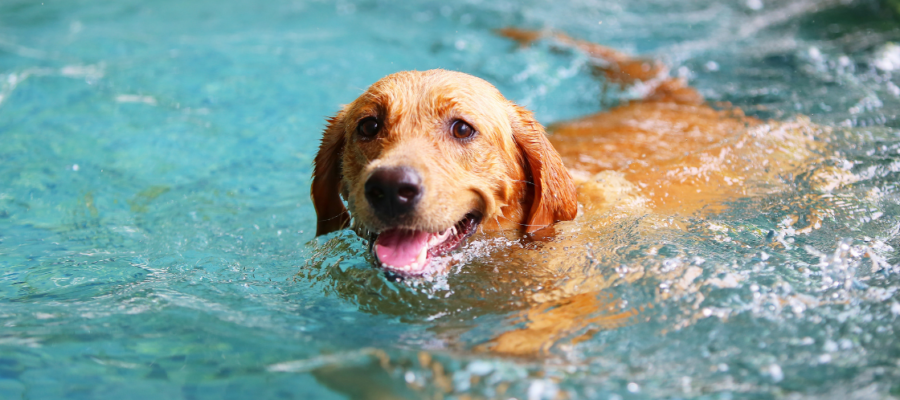
Are heatwaves and heatwaves coming? Here’s how to protect your dog

8 activities your dog will love

Your dog can feel happy! Here’s how:

Dog too rebellious? Here are some causes of this behavior

Basset Hound – The nobleman with long ears and a sweet heart

9 dog breeds suitable for mountain trips

Are you going to work or on holiday? Here’s everything you need to do to leave your dog safely at home

How your pet can help you adopt a healthy lifestyle

An iconic breed, much more than a lap dog