
Brief guide for correct dental hygiene
Keeping your dog’s teeth healthy is essential to his well-being, otherwise ignoring it can lead to plaque buildup and serious dental problems. Dental disease is very common in dogs, second only to ear infections, and can be extremely annoying, just as it would be for us humans. To avoid the costs of treatment (which are not small at all), we encourage you (and practically teach you, in today’s article) to check and clean your dog’s teeth as part of your regular grooming routine. Furthermore, we recommend some products that you can find in the PetMax store, designed to help you every step of the way: we will talk about some pharmaceutical items and supplements that can help canine teeth, at any age and in any context; there will also be information relating to rewards that support teeth cleaning, but also to food and toys that play the same role.
You probably know that you need to take care of your teeth, but did you know that it’s important to take care of your dog’s teeth too? Dog dental care is extremely important, but many dog owners seem to forget about it, even now, in the information age and these days when we order everything online, just a click away.
If you’re reading this article, you’ll already be one step ahead of many other dog owners: you’ll learn pretty much everything you need to know about dog dental care. This starts with understanding what a healthy mouth looks like, what it means to keep your dog’s mouth healthy, and knowing the signs of unhealthy teeth.
Take care of your dog’s oral health
To keep our mouths clean, we brush our teeth and floss regularly. Unfortunately, dogs do not have this ability (per se). Therefore it is up to us to ensure that our family dog’s oral health is as it should be. Here are the things you need to do to keep your dog’s mouth healthy.
● Brush the dog’s teeth
The simplest thing you can do to take care of your dog’s oral health is to brush his teeth. There are specific toothbrushes and toothpastes for dogs on the market. These devices will help reduce bacteria specifically found in pets’ mouths. It is best to brush your dog’s teeth every day.
If you’ve never brushed your dog’s teeth before, take baby steps. Many dogs don’t like having their faces touched. So brushing his teeth might be something he doesn’t like. Start by getting your dog used to being touched inside the mouth, such as along the teeth and gums.
Once your dog feels comfortable, introduce the toothbrush. Let him smell it so he knows there’s nothing to be afraid of. As your dog gets used to the toothbrush, you can start putting it in his mouth and brushing his teeth.
To brush the teeth, you need to lift the dog’s lips. Start with the front teeth and work backwards. Pay particular attention to the outside of the teeth. Make sure you only use toothpaste specifically for dogs, as human toothpaste can make dogs sick.

You can choose the following pharmaceutical products that help your teeth
– Stomodine Gel 30 ml – Oral hygiene for dogs and cats
Purchase a gel to maintain hygiene or to complete the treatment of traumatic or periodontal gingivitis.
– Dental Fresh ORIGINAL FORMULA for dogs – Synergy Labs
Discover an antimicrobial dental solution that activates, releases and destroys the microbes and microorganisms that cause bad breath. Dentral Fresh removes the bacteria responsible for the formation of dental plaque and volatile and smelly sulfur compounds.
– Restomyl, dental gel with toothbrush
Dental gel with anti-plaque, antibacterial and whitening action.
– Stomodine LP
Gel for maintaining oral hygiene.
– DENTIVET TOTAL Spray
Solution that protects and supports the health of gums and sensitive teeth, controls the appearance of bacterial plaque and tartar. Prevents bad breath
– Dentivet Oral Gel, Stangest
Natural solution for the daily oral hygiene of dogs and cats.
– Stomaferin Ultra veterinary expert
Chlorhexidine reduces the formation of bacterial plaque on the teeth, and the lactoferrin content reduces the negative effects of bacterial plaque, which can lead to inflammation.
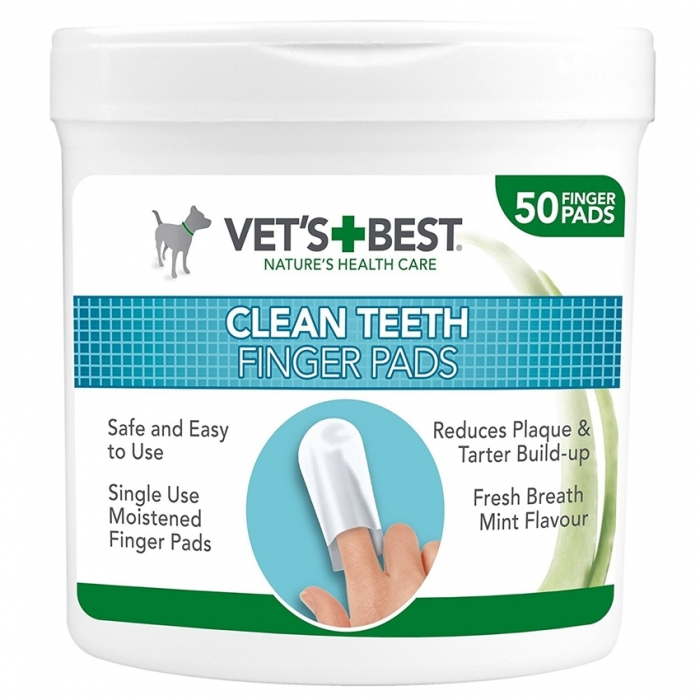
– Teeth Clean Teeth Finger – wipes for dental hygiene
An alternative to classic toothpaste, an effective way to gently reduce tartar and dental plaque.
● Opt for a vet cleaning
People are advised to go to the dentist every six months for a routine cleaning (hygiene). Your dog should also undergo such cleaning at the vet’s office. Your dog’s mouth should only be cleaned once a year, not twice (unless your doctor advises otherwise, of course).
The vet will clean the puppy’s mouth completely, including under the gums. Your vet may also take x-rays of your dog’s mouth to make sure there are no problems.
● Use toys and rewards to brush your teeth
In addition to brushing your dog’s teeth, either by yourself or by a professional, you can purchase specific toys and treats to remove plaque and tartar from the mouth. This can be a great way to keep your pup’s mouth cleaner without him realizing he’s indirectly brushing his teeth.
There are many toys and treats that have spots and crevices designed to scratch your dog’s teeth. This scraping motion does not damage the teeth, but helps remove plaque and buildup around the teeth.
We recommend:
– Veggied Fr3sh
Natural rewards for dogs of different sizes – offers a triple action: freshens breath, cleans teeth and promotes digestion.
– Advanced dental care
Complementary food for adult dogs of different sizes. It is a snack compatible with a complete diet.
– Dentastix
Pedigree Dentastix (for dogs of different sizes) helps reduce tartar and maintain dental hygiene.
– Dentafun
Toys that support your dog’s dental hygiene and fight bad breath.
● Feed your dog a healthy diet
Make sure you feed a balanced diet, something that is crucial to your dog’s health, oral and otherwise. A healthy diet will ensure that your dog also receives the vital nutrients he needs to be healthy and happy. It also helps your teeth function optimally.
If your dog has a specific oral problem, there are some foods on the market that are suitable for this. For example, there are dry dog foods designed to control tartar and plaque, for dogs that have problems with plaque buildup. Talk to your vet if you think a certain type of food may solve your dog’s oral problems.
Discover the right food for your dog’s teeth in the shop: we recommend 15 carefully selected products from Royal Canin Dental Care!
● Be careful
Finally, the last step in keeping your dog’s mouth healthy is to simply pay attention. Many oral diseases can go unnoticed for many years. If you pay close attention to your dog’s health, you can hope to detect changes in your dog’s mouth as early as possible.
It’s a good idea to carefully inspect your dog’s teeth at least once a month. We recommend doing this while you’re already brushing your dog’s teeth: if you’re already in this uncomfortable position, why not do a quick check?
Can’t tell if it’s a dental problem?
Pay attention to these signs: they will tell you if your dog has oral diseases too!
When checking your dog’s mouth, you need to know what to look for. Knowing what oral diseases present in dogs can make the process much easier. Here are the most common signs of oral disease in dogs.
-
breath
The first sign that your dog is facing an oral disease is bad breath. This could just be due to the food he ate, but it could also be due to an infection. If the smell doesn’t go away even when you brush your dog’s teeth, there is probably a much more serious problem related to this odor.
-
Color of teeth and gums
Looking at the color of their teeth and gums will give you another sign that your little furry friend is dealing with an oral disease. If your dog’s teeth are yellow or brown, something is wrong. Additionally, very red, bleeding, or discolored gums show that some type of oral problem is at play.
-
gums
In addition to the color of your gums, you also need to consider their size and shape. If your dog’s gums look inflamed and swollen, something is irritating them. This is especially true if you notice that the inflammation is causing the gums to bleed or the dog is unable to eat.
-
GROWTH
Finally, growths inside your dog’s mouth are a clear sign that something is wrong. This includes swelling, of any form. Some growths are not serious, but others can be signs of life-threatening diseases.
What diseases do you need to know
Here is an overview of the most common oral diseases in dogs today.
– Halitosis (bad breath)
The most common problem dogs face is bad breath, simply called bad breath. This condition is usually the first sign that something is wrong with your pet’s oral health. This foul odor occurs whenever bacteria gets trapped in your companion’s mouth. These bacteria can then cause an infection, creating an even worse odor.
In some cases, bad breath can be treated with regular brushing. If something more serious is at the root, such as an infection or disease, you should see your vet immediately.
– Gingivitis
Dogs can get gingivitis too, not just humans. Gingivitis occurs when there is a large amount of plaque on the teeth which causes the gums to become inflamed. You can reverse gingivitis with regular cleanings. If your dog’s teeth worsen or if the gums begin to bleed or change color, contact your veterinarian.
– Cysts and tumors
Dogs can have lumps in their mouths. Most of these lumps will not be worrisome, but some may be. Dangerous nodules can be cysts and tumors. It is important to go to the vet immediately to have them biopsied and removed if necessary.
– Periodontal disease
Periodontal disease is very serious. This is an infection between the gums and teeth. It can lead to swelling, pain, tooth loss, difficulty eating, and a runny nose. Early signs of periodontal disease may include yellow teeth, swollen gums and difficulty chewing. If periodontal disease is found, your veterinarian will prescribe a specific treatment plan.
– Abnormal growth of the gums
This is often found in Bull Terriers and Boxers. It can occur whenever the dog’s gums grow over the teeth. This can lead to infections and is often treated with antibiotics.
Don’t forget: dental health is extremely important. Because our pets don’t brush their teeth every day like we do, tartar can build up on the teeth and cause gum inflammation and infection. Pets with advanced dental disease will begin to show reluctance to eat and even play, and in some cases, the infection can spread throughout the body. Start taking measurements now!
latest posts published
Are heatwaves and heatwaves coming? Here’s how to protect your dog

8 activities your dog will love

Your dog can feel happy! Here’s how:

Dog too rebellious? Here are some causes of this behavior

Basset Hound – The nobleman with long ears and a sweet heart

9 dog breeds suitable for mountain trips

Are you going to work or on holiday? Here’s everything you need to do to leave your dog safely at home

How your pet can help you adopt a healthy lifestyle

An iconic breed, much more than a lap dog