| Important to know!
Regardless of whether or not you intend to compete in dog sports or events, it is essential that all these animals receive basic training, from walking properly on a leash to learning the proper skills for dealing with strangers. |
What is the right age to start training?
The moment you bring a little furry friend home for the first time is hard to describe in words! The first days are often filled with lots of jokes, laughter and good humor contaminated all family members: everything seems wonderful when your puppy begins to explore the world around him. Then, as you (as the owner) and the puppy settle into everyday life, the next step is to decide when to start training. Many new and first-time owners don’t realize how quickly you can start training your puppy and how beneficial this can be, both for the pet’s future path and for the well-being of the family.
In short: Most puppy breeds can begin formal or informal training and socialization around 7 or 8 weeks of age.
Despite their short attention spans, puppies, from an early age, can learn socialization skills and perceive and follow basic obedience commands such as “sit” and “sit.” The ideal time to begin training is between 7 and 8 weeks for most puppies, and the most effective training involves positive reinforcement and gentle commands. This is also the age to start socializing your puppy with new people and new species of animals, allowing him to explore and have new experiences. Life has begun for him too!
Formal training courses: between 7 and 12 weeks
Some pet owners, especially those training a puppy for the first time, may prefer to enroll in dog training classes – a perfectly fine and welcome decision! These lessons have the advantage of being based on the knowledge and experience of a trainer who can demonstrate the appropriate techniques for adopting basic and more advanced commands. A licensed trainer can also help identify potential behavioral or training problems and find out if your puppy needs other formal dog training courses, such as one-on-one sessions. Plus, group dog training sessions are a great place to start socializing your puppy with other pets and people, all in a well-controlled environment.
In the past, some trainers recommended that dog owners wait until the puppy was 4 or 6 months old or until the pet was fully vaccinated (thus delaying its enrollment in training classes). Unfortunately, this causes us to miss a key socialization period in a puppy’s life, and during that time he or she may develop behaviors that you will need to correct in the future (such as phobias or aggression), instead of training good behaviors from the start. What is there to do? Talk to your vet to make sure your puppy is healthy enough to start training, receive his first vaccinations and deworming before his first training sessions. Of course, you’ll need to keep up with vaccinations while training. Are there any health warning signs? No problem! Insist that the trainer only allows dogs that comply with the vaccination schedule to enter training! Safety first, always!
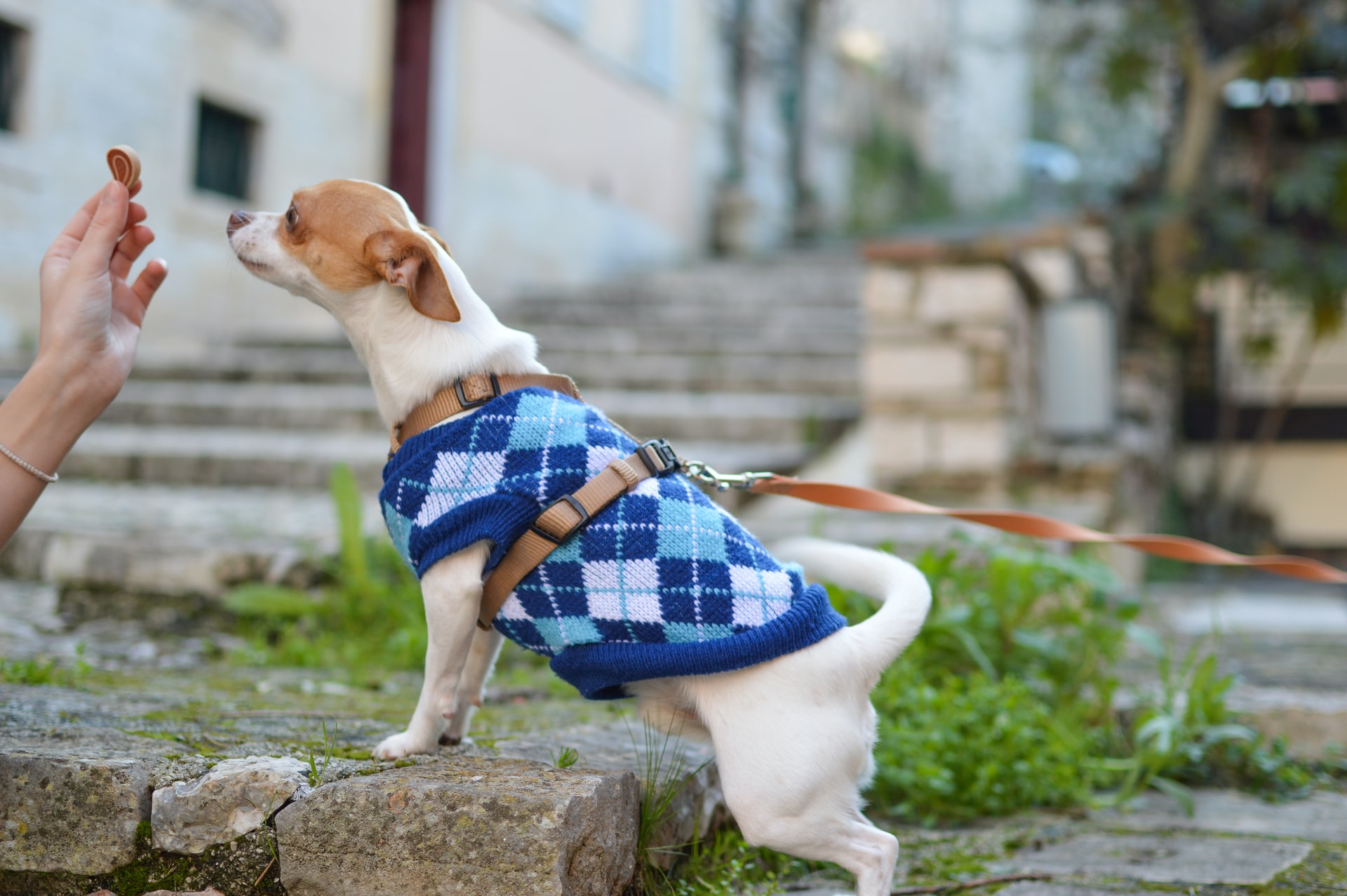
Today’s expert tip: A structured program can train your dog in no time
Don’t put it off! You will thank us as soon as you notice the first results appearing soon!
Did you know that all dogs need proper training? Not just some breeds! Fortunately, this need not scare us. This job doesn’t have to be difficult or expensive. So, whether you share your home with a small puppy or an adult dog, learn from us: it’s never too early to start training your dog. You don’t create any stress for them, or put too much pressure on them. On the contrary! Most dogs are happier with the structure of this training and the confidence that builds during or after training sessions.
Don’t get overwhelmed by the things you read or the experiences of other people around you or online. You should never have a negative attitude when you start getting involved in dog training. Are you confused? Don’t do things “on the spur of the moment” or in a hurry. If you’re not sure where to start, develop a weekly schedule to help you get organized. Therefore, each new week, it will be easy for you to choose one or two basic commands to work on. Again, take your time: Leave room for some adjustments in your dog’s environment to prevent, change, or correct behavioral problems.
Bring a cage
If you haven’t already used a crate, the first week of training is a good time to introduce one to your dog. The crate is a great tool for managing your dog’s behavior when you are not there to supervise him. Give some time each day this week to let the dog get used to it and start leaving him there for a few minutes at a time. Ultimately your dog may prefer to sleep in his crate.
Start leaving your dog in the crate for longer periods of time, but no more than a few hours at a time. Be sure to leave behind some fun and interesting toys. Continue to use the crate while training your dog. Most dogs love having their own shelter. These crates can also help with house training, as most dogs do not defecate or urinate where they sleep.
Set up a routine
Like humans, dogs love routine. Create a schedule for meals, walks and play at the beginning of training. From the first week you establish these habits, be careful to stay consistent on both weekdays and weekends—training has no weekends or days off. If another human will be caring for your dog, make sure they are aware of the program as well. Follow the routine as closely as possible during dog training and beyond. This will help your dog know what to expect and when to do it. Furthermore, this is also useful for training: your dog will start to learn the exact times he can go out (for example: after each meal, the dog is taken for a walk to do his business).
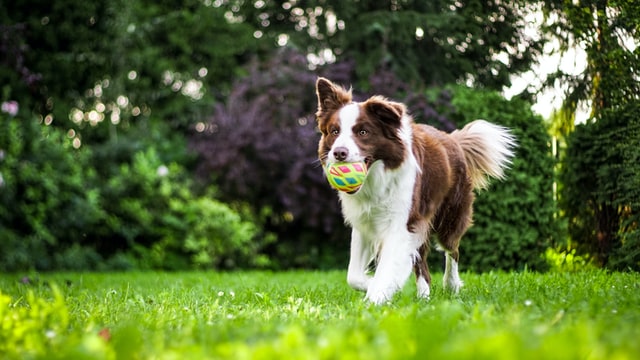
Invest in some suitable toys
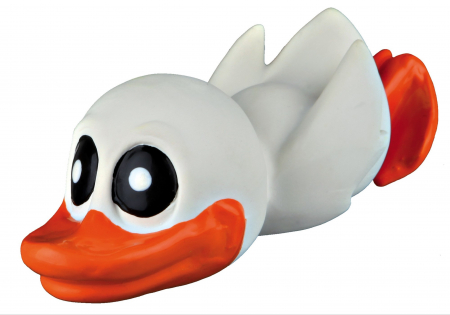
Find out how you want to reward your dog. Clicker training is an effective method, but non-clicker rewards can be used. Before you start teaching commands and tricks, try a wide variety of toys to motivate your dog. Be sure to include some things, like some modern toys, that provide some mental stimulation. This will keep your dog mentally engaged, which is important, especially since most owners aren’t available to play with their dog all day. Don’t give your dog all the toys at once. Introduce the toys this week and then rotate different toys each week during this process so that the dog always has something new and interesting to play with.
Order the coolest dog toys and accessories from the store now!
Orders: it’s time for them
Learning basic commands is essential to dog training. Your dog needs to know how to respond to his owner to stay safe. Start with the basic commands and move on to the others once mastered.
● Sezi: work in this direction. It is important to teach your dog to sit. Schedule about five minutes each day for a week working on the “sit” command.
● Then don’t forget to “sleep”!
● Attention and emergency call: After “sit”, spend a few minutes each day working on the attention command (meant to direct his attention to you) and teach the dog the emergency call (extremely useful in dangerous situations).
● Come and go: Once your dog has mastered the above, you can move on to these more complicated commands.
● Stop jumping: You can set aside time each day to practice this behavior, or you can wait until it shows up in your normal daily activities (like when your dog jumps to greet people who come through the door).
● Wait: You can practice in your regular training sessions, or you can wait for opportunities to present themselves every day. Make sure your dog waits before going out or out of the crate.
● Go to your house: Start teaching your dog to go to a certain place and lie down in the house. Some great times to practice these things (getting your dog to sit still): during mealtimes or while watching TV or reading a book.
● Walk: by learning this command, the dog will know not to pull the leash, i.e. to walk at your pace. If the leash is not tense, the walk will be more relaxed and pleasant. Some people prefer to teach their dogs “With me” or “Don’t pull.” This skill must be learned constantly, throughout training.
● Stop barking: Start training your dog to be quiet by insisting on the commands “talk” and “shut up”. You can do this during training sessions, or you can wait until your dog barks – use this as an opportunity to practice.

Canine behavior problems and long-term recommendations
After focusing on a particular technique for a week, your dog should respond well to a series of commands. Unfortunately, this “victory” doesn’t mean you’re done with your education. On the contrary, training must be practiced and reinforced throughout your dog’s life, so his behavior will be better fixed and shaped. This will not only help him, but will also make the family accept and love him more.
Specialists advise us to dedicate at least 10 minutes, at least three times a week, to reviewing the commands and behaviors we have already worked on. In fact, this is a good way to enforce behavior.
If you have problems with training or with a certain step above, expert advice is to enroll your dog in a training course or consult a dog behavior specialist. They can arrange one-on-one sessions with you and your dog to get to the root of training problems and support you with lasting techniques.
latest posts published
Are heatwaves and heatwaves coming? Here’s how to protect your dog

8 activities your dog will love

Your dog can feel happy! Here’s how:

Dog too rebellious? Here are some causes of this behavior
Basset Hound – The nobleman with long ears and a sweet heart

9 dog breeds suitable for mountain trips

Are you going to work or on holiday? Here’s everything you need to do to leave your dog safely at home

How your pet can help you adopt a healthy lifestyle
An iconic breed, much more than a lap dog