The role of proteins in the diet of dogs
Proteins are made up of amino acids, which are essential for many vital body functions. In dogs, proteins perform the following functions:
1. Growth and Development: Proteins are critical for the growth and development of young mammals. They are essential for the formation and development of tissues, muscles, organs and cells.
2. Tissue Repair and Maintenance: Proteins help repair and maintain damaged tissues. This is crucial for active quadrupeds or those suffering from injuries.
3. Functioning of the immune system: Proteins are involved in the production of antibodies and other components of the immune system, thus helping to defend against diseases and infections.
4. Production of enzymes and hormones: Proteins are essential components of many enzymes and hormones that regulate various biological processes, including digestion and metabolism.
5. Energy Source: Although carbohydrates and fats are the main sources of energy for dogs, proteins can also be used for energy when needed.
Order the right food for your dog here: enter the shop!

Adequate sources of protein for dogs
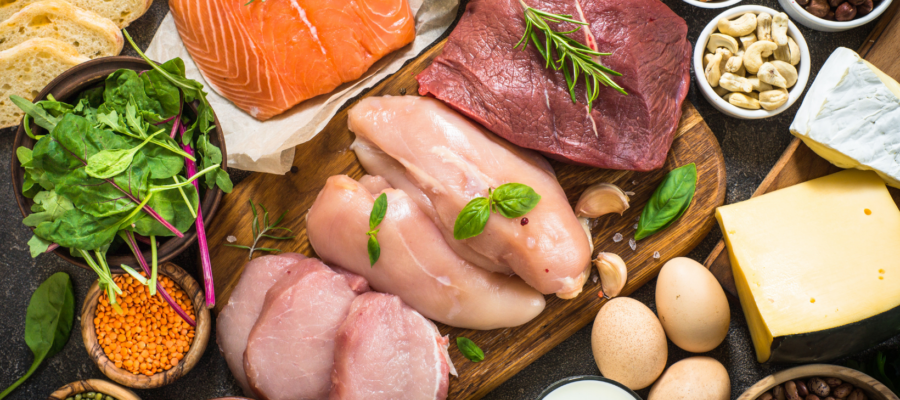
There are many sources of protein that we can include in our dog’s diet. These can be of animal or plant origin, although animal proteins are generally considered to be of higher quality due to their complete amino acid profile. Here are some main sources of protein:
1. Meat: Chicken, beef, pork and lamb are excellent sources of high-quality protein. They contain all the essential amino acids that your dog needs to stay healthy.
2. Fish: Fish, like salmon and tuna, not only provides protein, but is also rich in omega-3 fatty acids, which are beneficial for the health of your dog’s skin and coat.
Find out more on the blog, at The benefits of fish in the diet of our furry friends.
3. Eggs: Eggs are a highly concentrated source of protein and are also rich in essential vitamins and minerals.
4. Dairy: Cheese and yogurt can be good sources of protein, but should be fed with caution as some dogs may be lactose intolerant.
5. Plant proteins: Legumes, such as peas and lentils, and some grains, such as quinoa, can provide protein, although generally not as complete as animal proteins.
In the Petmax.ro online store you can easily find the right food! Use the filter Aroma and you can easily find the protein sources you want: from chicken, salmon, turkey, lamb, venison, wild boar or bison (and many more).

Daily protein needs for dogs
Dogs’ daily protein needs vary based on age, size, activity level and overall health. In general, dogs need about 18-25% of their daily diet in the form of protein. Puppies, pregnant or nursing dogs and very active dogs may require a higher protein intake.
1. Juniors: Growing chickens need more protein to support rapid muscle and tissue development. Commercial puppy diets typically contain between 22% and 32% protein.
2. Adult Dogs: Healthy adult dogs require approximately 18-25% protein in their diet. Exact needs may vary depending on physical activity and metabolism.
3. Senior Dogs: Senior dogs may need more protein to prevent muscle loss, but requirements should be adjusted based on their health and the presence of medical conditions.
See also the article Is your dog hungry? Here are 10 signs you need to know.
Signs of protein deficiency
A protein deficiency can have serious consequences for your dog’s health. Here are some signs that may indicate insufficient protein intake:
1. Weight Loss: Unintentional weight loss can be a sign that your dog isn’t getting enough protein.
2. Dull Coat and Dry Skin: A protein-deficient diet can lead to a dull coat and dry, flaky skin.
3. Lethargy: Low protein can cause low energy levels and fatigue.
4. Loss of muscle mass: Loss of muscle mass is a clear sign of protein deficiency, especially in older dogs.
5. Weakened Immune System: Dogs with a protein deficiency may be more susceptible to infections and diseases due to poor functioning of the immune system.
Choose the right food
Choosing the right food for your dog is essential to ensure an adequate protein intake. Commercial dog food is formulated to meet specific nutritional requirements, and food labels provide information on protein content.
1. Read the label: Check the product label to make sure the food contains enough quality protein. Ingredients should list animal protein sources in the top positions.
2. Consult a specialist: It is always a good idea to consult a veterinarian to determine your dog’s exact protein needs and choose the most suitable food.
3. Variety: Try to offer a variety of protein sources to ensure a complete amino acid profile and prevent food boredom.
For specific needs you can choose these veterinary diets (click here)!
The benefits of a protein-rich diet
A diet that contains enough protein brings many benefits to your dog:
1. Muscle Health: High-quality proteins contribute to the development and maintenance of muscle mass.
2. Energy and vitality: an adequate protein intake guarantees high levels of energy and vitality.
3. Strong Immune System: Proteins support the optimal functioning of the immune system, protecting the dog from diseases.
4. Healthy Hair and Skin: Protein is essential for healthy skin and coat, contributing to a healthy, shiny appearance.
5. Tissue repair and maintenance: Sufficient protein intake helps speed recovery from injuries and maintain tissue health.
Conclusion
Protein plays an essential role in a dog’s diet, contributing to growth, development and maintenance of overall health. Choosing the right sources of protein and ensuring an adequate daily intake are key to having a healthy and happy dog. Monitoring for signs of protein deficiency and consulting a veterinarian for nutritional advice can help optimize your dog’s diet. By paying close attention to your dog’s diet, you will ensure that he receives all the nutrients he needs to lead a healthy and active life
Read the material too How to prevent nutritional deficiencies in canine diets.
latest posts published
Are heatwaves and heatwaves coming? Here’s how to protect your dog

8 activities your dog will love

Your dog can feel happy! Here’s how:

Dog too rebellious? Here are some causes of this behavior
Basset Hound – The nobleman with long ears and a sweet heart
9 dog breeds suitable for mountain trips

Are you going to work or on holiday? Here’s everything you need to do to leave your dog safely at home

How your pet can help you adopt a healthy lifestyle
An iconic breed, much more than a lap dog