
It is much more difficult to manage the relationship with the cat if you have no experience in raising a pet. The most important aspect is to be open to learning and discovering more information about your cat’s behavior.
Below is a list of the most common gestures and attitudes that cause discomfort to the cat:
1. Extreme temperature
Cats have the ability to tolerate higher temperatures than humans. This is explained if we think about the animal’s ancestors: in ancient times cats lived in areas with a hot/tropical climate. Therefore, a temperature of 38-39 degrees is considered normal for a cat.
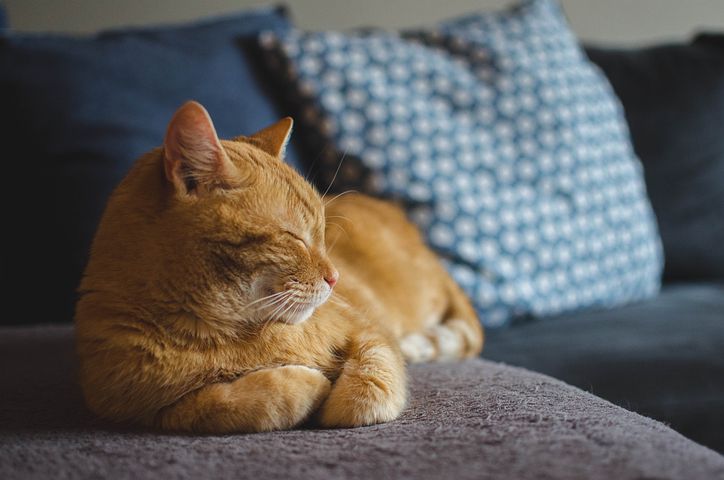
The animal has the ability to regulate its body temperature: when the atmosphere warms up, the cat will become quieter and even inactive so as not to generate more heat. He will seek out cool places and lie on the floor to reduce body heat. The cat has the ability to use its paws and nose to sweat and thus regulate its body temperature.
2. Loud or high-frequency sounds
Cat hearing is very sensitive to high frequencies, reaching up to 30,000 Hz, while the human ear is limited to 20,000 Hz. Therefore the feline’s hearing ability is about 2.5 times more refined than that of humans. In addition, the cat occupies a leading place in terms of directional hearing, being able to distinguish from a distance of 20 m, two different sounds, emitted simultaneously at a distance of 0.5 m from each other. Thanks to the 27 muscles that control it, the auricle of each ear can rotate independently, to identify the origin of a noise and the distance from which it originates.
High-frequency sounds have a negative impact on the cat’s emotional state. Like humans, these animals prefer sounds of medium to low intensity. Since its hearing is very fine, loud noises irritate the animal and stress it.

The hearing ability of cats is also superior to that of dogs, so particular attention must be paid to the tone of voice and the sounds used in the living area. The most disturbing sounds for cats are: the alarm clock, those emitted by the vacuum cleaner or hairdryer, loud music, ambulance sirens, etc. A cat will also feel stressed if it is scolded or scolded with a raised voice. He will not be able to understand the reason for his owner’s upset, he will be afraid and could also develop various forms of anxiety.
3. The bathroom
There are many images of cats doing their best to avoid bathing or contact with water. And rightly so. These animals take care of their body hygiene and are extremely clean. Grooming is part of a cat’s daily schedule.
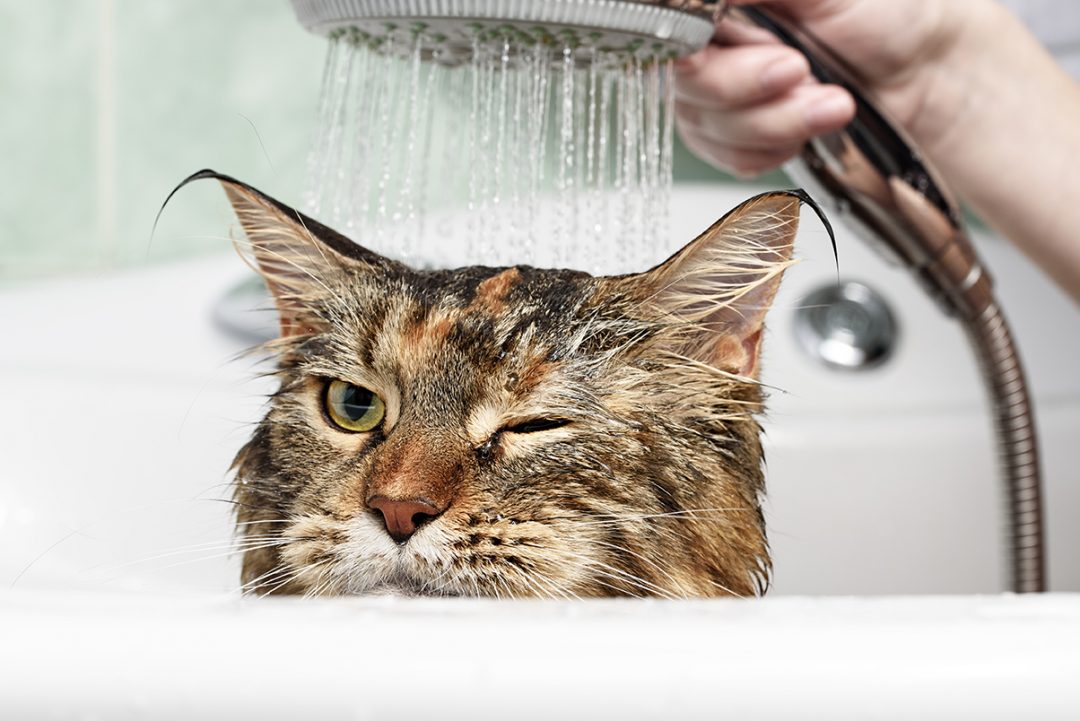
To understand this attitude of the cat, we must go back in history: the ancestors of these animals came from countries in the Middle East or Asia, where the climate is arid and the amount of water is low. We can say that this behavior is the result of adaptation to the environment and has been passed down from generation to generation.
Basically the cat has developed an intolerance to water.
4. Surprises
Cats don’t like changes and surprises. They are animals that prefer comfort, safety and familiarity. Animals are frightened by sudden appearances or agitated movements. Cats are afraid of the unknown: it is perceived as a potential danger where a predator may be found. They also don’t like guests or strangers. The explanation would be that cats prefer to have control over the territory in which they live.
People emit a number of chemicals and the cat needs time to smell them and become familiar with them. Animals have a habit of hiding when a foreign person or animal appears in their territory. A tip in this sense is to teach the cat to learn socialization skills with people and other animals. In this way the animal will be more relaxed and will accept the foreign presence more easily.
While it may be fun for humans, surprises cause fear and anxiety in cats. Therefore, it is necessary to find other methods to have fun with the animal we have next to us without affecting its emotional balance.
5. Impaired food and water
Cats are very demanding about food and water. They may refuse food if they think it is old or spoiled. The cat likes to have access to clean water when it needs to quench its thirst. Therefore, it is necessary to offer fresh water to the cat daily.
If your cat is thirsty, he may develop urinary infections or kidney problems. If the cat does not touch the food it means that it is old or does not like the taste and it is necessary to offer it fresh food.
6. Dirty waste bin
These animals have high expectations when it comes to the place dedicated to elimination. Cats keep their bodies clean by dedicating much of the day to the grooming ritual. The most unpleasant things for a cat are dirty waste and dirty toys.
The cat will feel appreciated when it has a clean space for elimination. Furthermore, we will make sure that you do not use other places in the house for this purpose.

7. Odors and aromas
Like humans, animals have preferences when it comes to smells. Cats are particularly irritated by the smell of gasoline, onion or vinegar or by the aromas of plants such as mint, cinnamon, rosemary, lavender, etc.
The cat is a noble and elegant animal. This is delicate when it comes to living space. We can learn more about the animal next to us when we pay attention to its preferences and reactions.
latest posts published
Are heatwaves and heatwaves coming? Here’s how to protect your dog

8 activities your dog will love

Your dog can feel happy! Here’s how:
Dog too rebellious? Here are some causes of this behavior
Basset Hound – The nobleman with long ears and a sweet heart

9 dog breeds suitable for mountain trips

Are you going to work or on holiday? Here’s everything you need to do to leave your dog safely at home

How your pet can help you adopt a healthy lifestyle
An iconic breed, much more than a lap dog