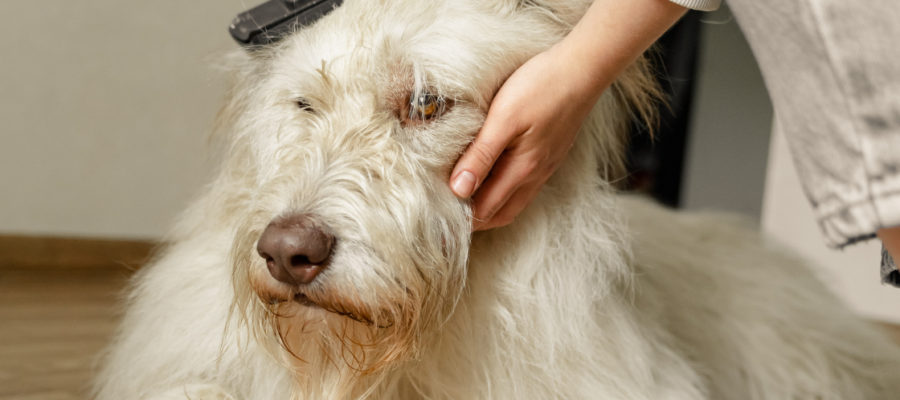
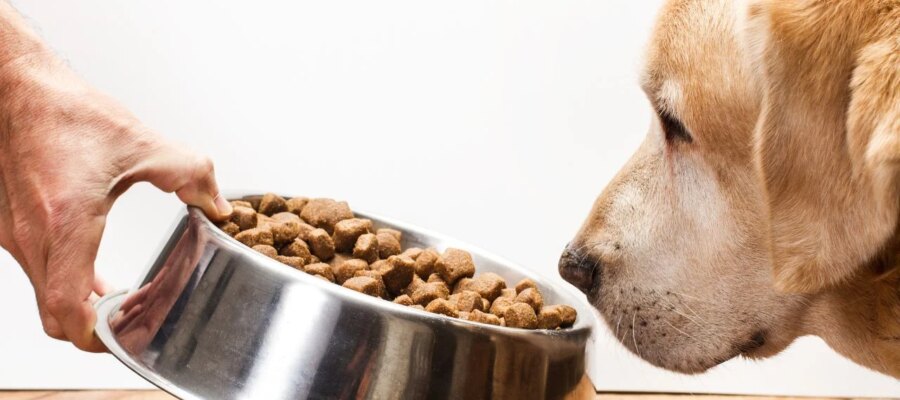
For example, if your dog has frequent digestive problems, his coat is looking increasingly worse, or he simply seems “tired”, these may be signs that his current food is no longer meeting his needs.
It is important to underline: the change must not be a whim, but an informed decision, based on careful observations and, if necessary, on the recommendation of the veterinarian.
When is the right time to change food?
The ideal time varies depending on several factors: the dog’s age, state of health, activity level and nutritional needs. Here are some concrete situations:
- Transition from puppy to adult: A puppy needs high-protein, high-energy foods for growth and development. Once you reach maturity, the requirement stabilizes. For example, for small breeds maturation can occur at 10-12 months, for large breeds at 12-16 months or even more.
- Transition to Seniority: Senior dogs need foods that support mobility, muscle mass, internal organ health and digestion. When you notice your activity levels dropping or weight problems appearing, it may be time to change your diet.
- Onset of health problems: If the dog has intolerances, allergies, kidney, intestinal, urinary diseases, etc., a special food (dietetic) or special formulas is recommended. In this case the change is justified by medical reasons.
- The quality or composition of the current food: Perhaps you want to offer better food with superior ingredients, or the current product is simply no longer available. In these situations the change can be made in advance.
- Watch for signs of incompatibility: dull coat, itching, loose stools, diarrhea, lack of appetite can all be signs that the current food is not ideal.
- Therefore the right time is not “today or tomorrow”, but when your dog’s context indicates a change. The ideal is to anticipate, not just react.
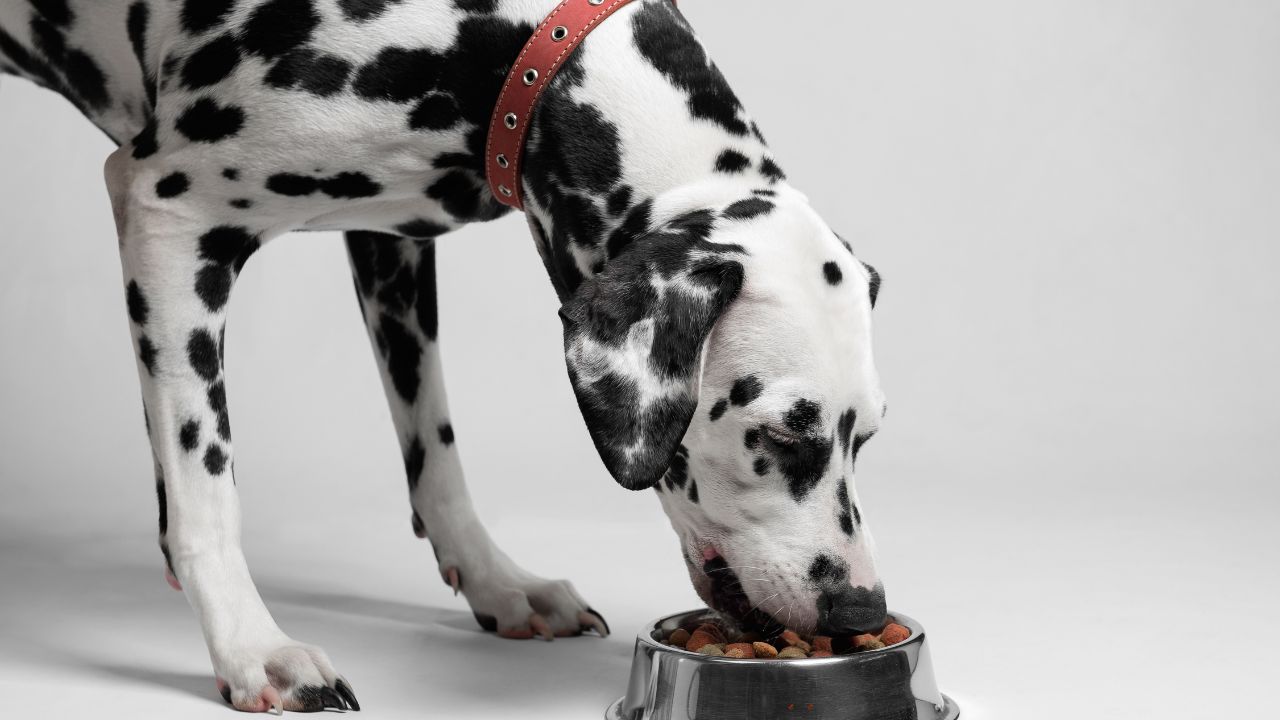
How to make the transition the right way
Changing your dog’s food must be done carefully to avoid digestive problems or other adverse reactions. Some clear recommendations emerge from the nutritional guidelines:
Do not suddenly change the food: the dog’s digestive system needs time to adapt to the new product. For example, experts recommend a 5-7 day process, where you gradually mix old food with new food: 20% new + 80% old on the first day, then 40% + 60%, etc.
Another guide recommends up to 2 weeks.
- Check your dog’s reactions
Pay attention to the seats – if they become soft, frequent, or vomiting occurs, it is a warning sign. Additionally, your dog’s coat, energy and appetite may change. If such symptoms appear, temporarily return to the old food or reduce the proportion of the new food.
- Use quality and adapted products
Choose a complete and balanced food, suitable for the dog’s life stage (junior, adult, senior) and, possibly, its conditions (breed, size, activity). The new product should be comparable or preferably better than the previous one.
- Provides fresh water and a calm environment for your meal
During the adaptation period it always guarantees access to fresh water. Eating in a quiet, stress-free place helps digestion.
- Consult your veterinarian if necessary
If the change is motivated by a health problem or if worrying symptoms appear, consult your veterinarian for personalized advice.
The article might also help you 10 reasons why pets gain weight without realizing it.
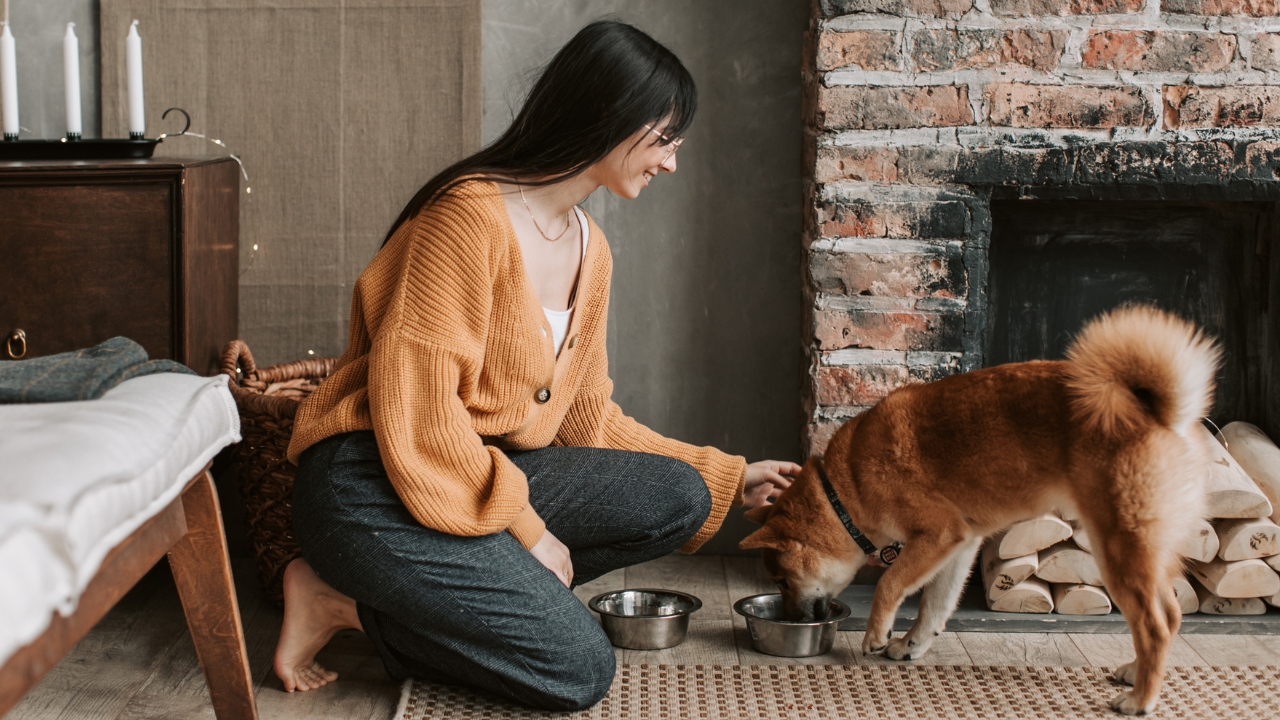
Because it’s important to do it carefully
If the change occurs suddenly, without adaptation, the risks are real: diarrhea, vomiting, digestive disorders, food refusal, discomfort for the dog.
Furthermore, if you don’t choose the right food, you can create nutritional deficiencies or bring in excess calories, which can lead to obesity or other health problems. For example, adult dogs have a slower metabolism, so inappropriate food can lead to overweight.
On the other hand, a good and adequate food, introduced correctly, can promote the dog’s health: good digestion, shiny coat, energy, mobility. In this context, change is not a simple whim, but an investment in the quality of life of your partner.
Recommended practical steps for owners
To help you make the transition successfully, here is a 7-step plan:
- Choose the right time: If you are preparing a change, do it in a period without other reasons or sources of stress (e.g. moving, adoption, illness).
- Buy new food: preferably of two types: have a new formula and keep the old one for a few days, in case of need.
- Day 1-2: Mix about 80% old food + about 20% new food.
- Day 3-4: Switch to ~50% old + ~50% new.
- Day 5-6: Increase the percentage of new food to around 75%.
- Day 7: 100% complete transition to new food. If you notice discomfort, slow down the adjustment.
- Monitor: Check dog’s stool, appetite, energy level, coat. If all goes well, continue with the new food. If problems arise, discontinue the change and consult your veterinarian.
- During the process, make sure he has fresh water, that meals are eaten in a quiet environment and that his routine is not disturbed too much.
Order dry dog food here, on offer in the Petmax.ro store!
Some additional tips for choosing food
– For puppies: choose the “Junior” or “Puppy/small/medium/large” food – formula with high protein and calcium content to support growth.
– For adults: “adult” food suitable for waist size (small, medium, large), physical activity – pay attention to calories if activity is low.
– For the elderly: “senior” food with ingredients that support joints, digestion and often with fewer calories.
In case of intolerances or allergies: opt for hypoallergenic or monoprotein foods, following the advice of your veterinarian.
– Store food correctly: dry food in an airtight container, in a dry place; open wet food in the refrigerator, if applicable.
Read the article too How diet affects your dog’s dental health and what oral hygiene items he shouldn’t miss.
In short
Changing your dog’s diet is an important step, which must be motivated, planned and executed carefully. When changing food: identify why it is necessary, when the right time is and how to make the switch in such a way as to minimize the risks to the health of your four-legged friend. A properly nourished dog, with the right ingredients for his age and lifestyle, will have more energy, a healthy coat, good digestion and general well-being. In the frenzy of market choices, remember that the quality of the food + the fit for your dog matter more than the brand.
latest posts published
Are heatwaves and heatwaves coming? Here’s how to protect your dog
8 activities your dog will love

Your dog can feel happy! Here’s how:
Dog too rebellious? Here are some causes of this behavior
Basset Hound – The nobleman with long ears and a sweet heart
9 dog breeds suitable for mountain trips

Are you going to work or on holiday? Here’s everything you need to do to leave your dog safely at home

How your pet can help you adopt a healthy lifestyle
An iconic breed, much more than a lap dog