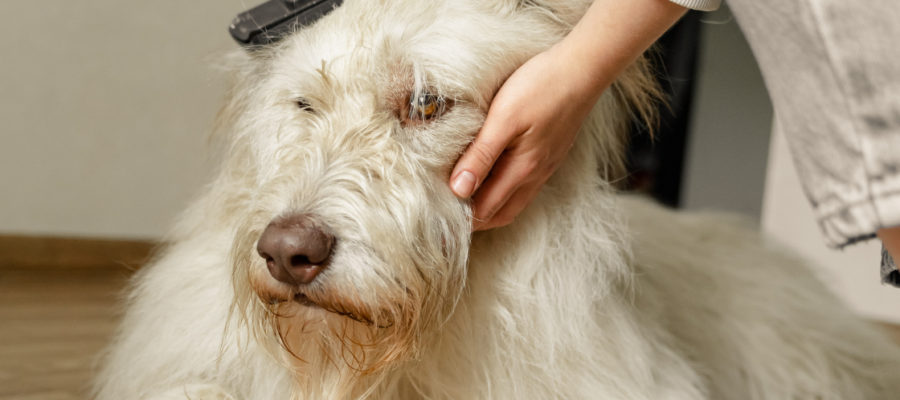

Knowing your dog’s anatomy and physiology is essential to better understand how his body works and what problems he may encounter along the way. Just like humans, dogs have different systems and continually perform numerous processes to stay alive and healthy. The respiratory system is one of these “gears”, being considered one of those essential for maintaining life.
The way their respiratory system works is very similar to that of humans, and just like us, your pet can suffer from respiratory complications. Did you know that flu exists in dogs? Could a dog with short, rapid breathing have a heart problem? Or that dogs can get the flu even in winter? Learn all about the dog’s respiratory system, from its anatomy to the health problems that may arise related to it.
Dog breathing is a fundamental process for maintaining the animal’s life
In canine anatomy, dog breathing is the process responsible for gas exchange. Through the process of breathing, the dog inhales oxygen and exhales carbon dioxide, a gas produced by cellular respiration and which helps regulate the acid-base balance in the blood. In addition to this function, the dog’s breath also controls body temperature, aids the dog’s sense of smell, and filters, warms, cools and humidifies the air.
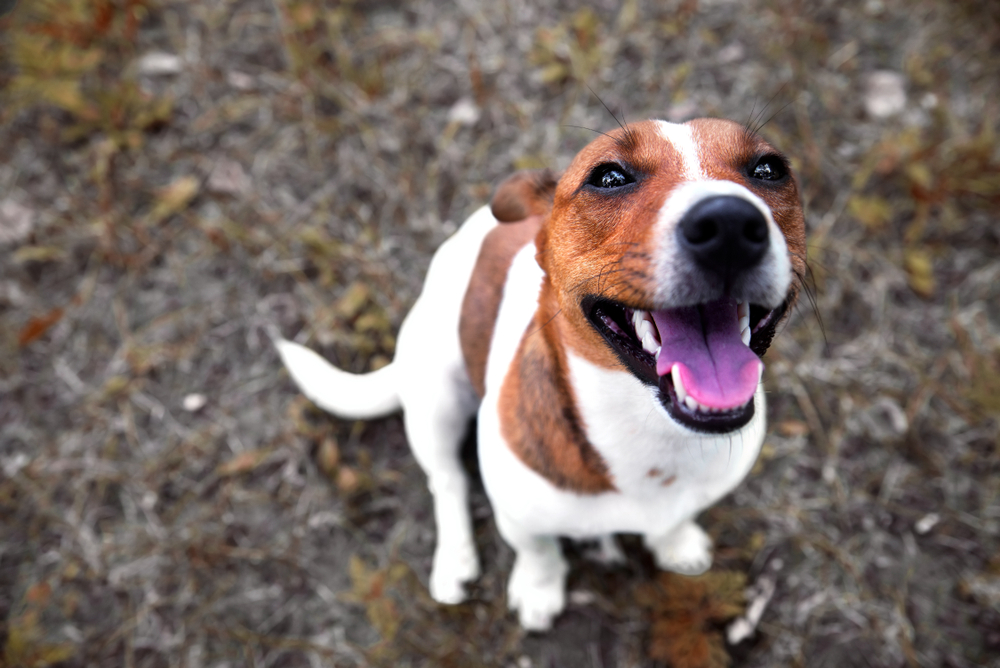
Canine anatomy: what are the organs that make the dog breathe
Dog breathing occurs only because several organs work together. When we talk about the dog’s respiratory system, we can divide the organs into two groups. The first group represents the upper respiratory tract, responsible for conducting air. In canine anatomy, the organs of the respiratory system that are part of this group are: the nose (more precisely the nostrils and nasal passages), the pharynx, the larynx and the upper part of the trachea. The second group represents the lower respiratory tract, responsible for the dog’s breathing itself. The organs involved are: the lower part of the trachea, the bronchi, the bronchioles and the alveoli (present in the lungs).
How does the dog’s breathing process work?
The airway is like a large tube that carries air from the nose to the lungs. All dog breathing begins with oxygen-rich air passing through the nostrils and nasal passages, where it begins to be filtered. Soon after, air enters the pharynx, a tube that is part of both the dog’s respiratory and digestive systems. In the digestive system, the pharynx transports food from the mouth into the esophagus, while in the respiratory system it transports air from the nasal passages to the larynx.
The larynx, in turn, is equipped with vocal cords that vibrate when air passes through them. Then vocalization occurs and we hear the dog barking. From the larynx the air passes into the trachea and then into the bronchi. There are two bronchi which, bifurcating, carry air to the two lungs. In the lung, the bronchi divide into several bronchioles, which are small bronchi. At the end of each bronchiole are the pulmonary alveoli, where gas exchange actually occurs.
The exchange of gases achieved through the dog’s breathing allows the functioning of all organs
The entire path that air travels through the canine anatomy ends with gas. The respiratory system is linked to the cardiovascular system, because the dog’s lungs, in addition to receiving air from the outside, also receive venous blood rich in carbon dioxide present in the capillaries. This gas is then removed from the venous blood and released from the body through exhalation. At the same time, the oxygen that the lungs receive from the air enters the venous blood, which becomes arterial blood. This oxygen-rich arterial blood is transported to all the cells of the body so that they receive this gas and can carry out cellular respiration. The entire process of gas exchange is scientifically called hematosis.
Brachycephalic Dogs: Respiratory changes in dogs with this condition
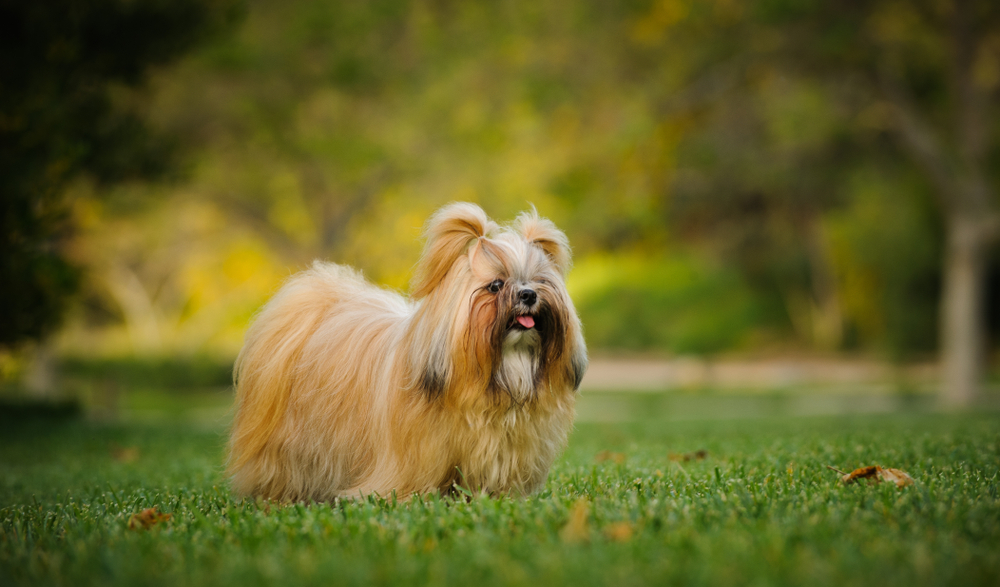
Some dog breeds naturally have more difficulty breathing, such as brachycephalic dogs. The canine anatomy of brachycephalic dog breeds (such as Shih Tzu, Pug and Bulldog) has some differences due to the various crossbreeding they have undergone in the past. Brachycephalic dogs have a shorter skull and a flat muzzle with stenotic (narrow) nostrils. Additionally, they have tracheal hypoplasia, a condition that prevents the organ from developing properly.
With these changes in canine anatomy, air has difficulty passing through the narrow nostrils and reduced available space in the poorly developed trachea. Therefore, the brachycephalic dog’s breathing is compromised and he naturally has respiratory problems more often. Therefore, very often we see brachycephalic dogs panting and with their tongues hanging out. These are classic signs of a dog having difficulty breathing.
Respiratory Rate: Small dogs tend to breathe faster
A dog’s breathing rate says a lot about his health. Normally, the dog’s breathing rate is between 10 and 35 breaths per minute. However, this average is not the same for all dogs: a small dog usually has a higher natural frequency than a large dog. Also, it is important to note that this is the average breathing of a calm, rested dog. On very hot days or after physical activity, for example, it is normal for the animal to show a faster pace. We can say that the dog’s breathing is abnormal when it has a frequency lower than 10 (bradypnea) or higher than 35 (tachypnea) breaths per minute at rest.
Dog with short and rapid breathing, tremors, tongue hanging out… understand the causes of all types of breathing difficulties
It is very important to pay attention to your breathing. A dog with an unusual breathing rate may have a health problem that should be investigated and treated. Shortness of breath is dangerous because without oxygen all organs are compromised. Here are some types of dog breathing that deserve special attention:
The dog breathes briefly and quickly: this is a symptom of hyperventilation. The short, fast-breathing dog breathes this way in an attempt to better capture oxygen from the environment. The most common causes are stress, anxiety and respiratory diseases in general. Whenever you see your dog breathing heavily and quickly, try to calm him down or take him to the vet.
The dog breathes very quickly and its heart beats quickly: as I explained, the respiratory and cardiovascular systems are interconnected. Therefore, dogs with heart problems also have difficulty breathing as a symptom. Heart disease ends up compromising circulation and consequently the flow of oxygen. Therefore, respiratory complications occur leading to rapid breathing. The dog’s heart beats faster and breathes harder at night.
Dog panting and shaking: Panting is a symptom of several respiratory diseases. When this sign is associated with body tremors, it could indicate that the dog has a fever. Another possibility is intoxication. The intoxicated dog pants and trembles, as well as showing disorientation, excessive salivation and sometimes convulsions. Finally, the dog’s panting with a shaking body can also be a sign of anxiety.
Dog with tongue hanging out: This behavior is common after exercise or on hot days. When you receive affection and in the euphoria of finding your owner again, it is also normal to see the dog with its tongue hanging out. Outside of these situations, however, it could indicate that the animal has a respiratory problem. Also, a dog that is breathing very fast with its tongue hanging out may be thirsty, so give it water.
Canine influenza is one of the most common respiratory diseases a dog can contract
Sinusitis, rhinitis, bronchitis, pneumonia in dogs… there are many respiratory problems that need attention, especially in winter. Canine influenza, also called kennel cough, is caused by the influenza A virus. Its transmission occurs through contact of a healthy pet with a contaminated animal, object or environment. There are many similarities between human flu and dog flu. The symptoms are similar and the popular name is the same. However, it is not the same disease because the viruses that cause it are different. Therefore, influenza in dogs is not transmitted to humans and vice versa.

Flu Symptoms in Dogs: Cough and runny nose are the most common
In canine flu, symptoms are usually not severe. Most of the time it just feels like a cold. But even if canine flu is mild, it’s important to treat it. Although simple at first, the disease can progress and lead to pneumonia. Symptoms of canine flu that owners should be aware of include: dry cough, sneezing, discharge, watery eyes, lethargy, lack of appetite, difficulty breathing and fever. It should be noted that not all of these canine flu symptoms always occur. Symptoms may appear gradually, so it is always important to keep an eye on your health.
Flu in dogs: how is it treated?
When you notice flu symptoms in your dog, take him to the vet for evaluation. Because the flu usually doesn’t turn into a serious condition very quickly, it’s common to treat it with plenty of rest, hydration, and good nutrition. In some cases, your vet may prescribe a dog flu remedy that will help speed recovery. Drugs are chosen based on the symptoms presented. Among the types of anti-flu drugs most prescribed in dogs, we can highlight antipyretics to relieve fever and antibiotics for more advanced cases where there is a risk of it turning into pneumonia.
Avoid respiratory problems in dogs during the winter
Throughout the year the animal can suffer from various respiratory problems. However, they are more frequent in the colder months because the body’s defenses tend to weaken naturally when the animal is exposed to colder temperatures. Among the most widespread winter diseases, canine influenza and canine bronchitis deserve to be highlighted. To avoid these problems it is important to warm your dog in the cold. Also, invest in some winter coats for your pet. Your puppy will be elegant and protected.
Another fundamental precaution, not only in winter, but at any time of the year, is to have your dog’s vaccinations up to date. Flu in dogs can be prevented with the canine flu vaccine, administered starting from two months and with an annual booster. In addition to vaccinating your pet, remember to keep him hydrated and eat a quality diet to ensure his immunity is always strengthened.
latest posts published
Are heatwaves and heatwaves coming? Here’s how to protect your dog

8 activities your dog will love

Your dog can feel happy! Here’s how:

Dog too rebellious? Here are some causes of this behavior
Basset Hound – The nobleman with long ears and a sweet heart
9 dog breeds suitable for mountain trips

Are you going to work or on holiday? Here’s everything you need to do to leave your dog safely at home

How your pet can help you adopt a healthy lifestyle
An iconic breed, much more than a lap dog