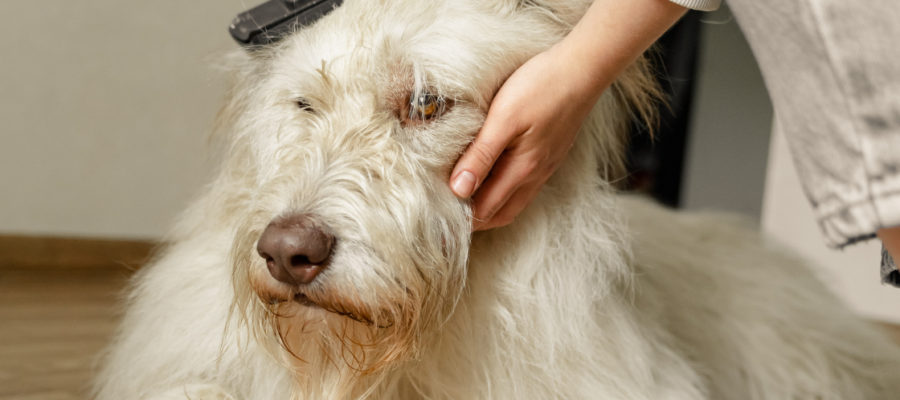
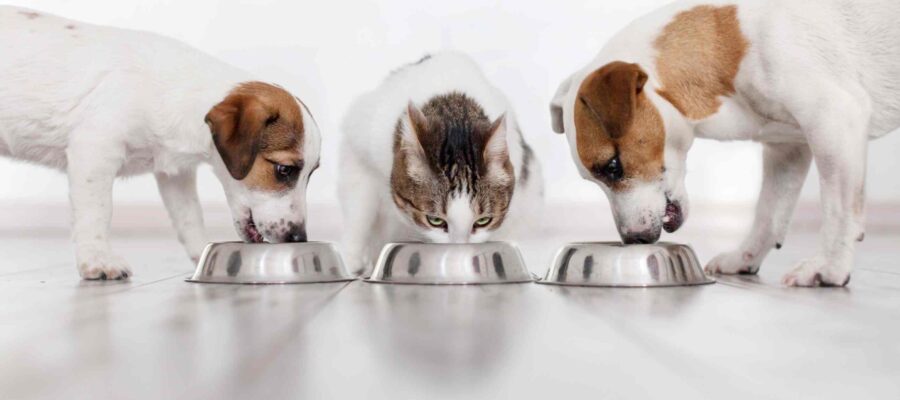
1. Protein Deficiency: Protein is critical for the development and maintenance of muscles, skin, fur and other tissues. Protein is critical for the development and maintenance of muscles, skin, fur and other tissues. If the pet’s diet does not provide enough protein, muscle weakness, weight loss and a general state of weakness may occur. Additionally, protein deficiency can negatively affect your pet’s immune system, making it more susceptible to disease and infection. Additionally, a diet with too little protein can lead to growth and development problems in young animals.
See also material Is your dog hungry? Here are 10 signs you need to know.
2. Lack of healthy fats: Healthy fats, such as omega-3 and omega-6 fatty acids, are essential for the optimal functioning of the cardiovascular system, the nervous system and for maintaining healthy skin and coat. Healthy fats in insufficient proportion can cause skin problems, dry, dull fur, and increased susceptibility to disease.
Healthy fats can be found in various dog food sources. Some common sources of healthy fats include vegetable oils such as olive oil, coconut oil, and sunflower oil. Healthy fats can also come from protein sources, such as fatty fish (like salmon or sardines), poultry (like chicken), or beef. Additionally, seeds and nuts can also be good sources of healthy fats for our companions. It is important to choose pet foods that contain sources of healthy fats and to follow your veterinarian’s recommendations regarding the amount and proportion of fat in your pet’s diet.
Find out more about Omega-3 and Omega-6: essential fatty acids for the health of dogs’ skin and coat.
3. Vitamin Deficiency: Vitamins are important for a number of biological functions, including metabolism, the immune system, and eye and skin health. A vitamin deficiency can negatively affect our companion’s immune system, lead to vision problems and negatively affect the health of the skin and hair.
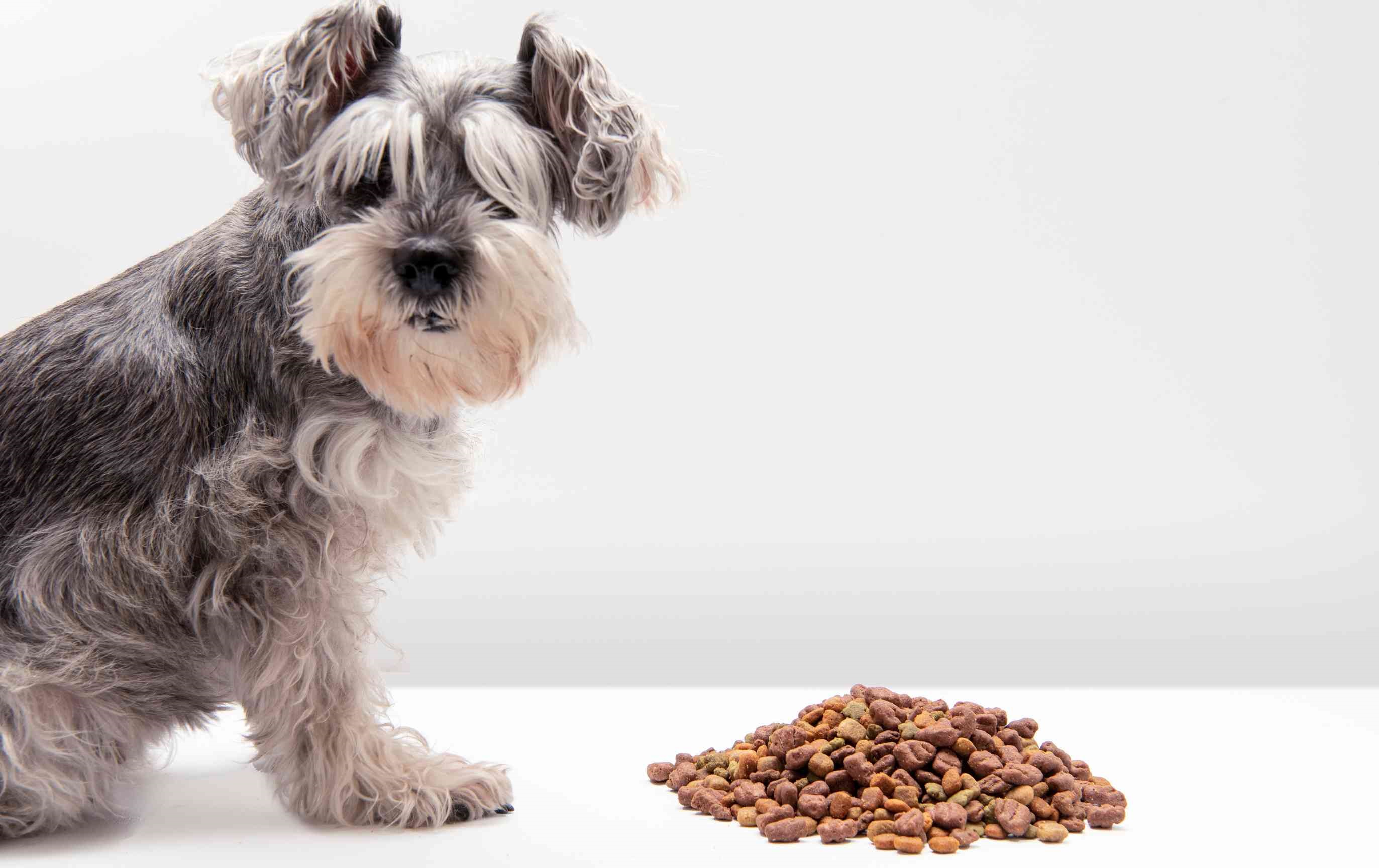
An adult dog needs a variety of vitamins to maintain his health and well-being. Among the most important vitamins for dogs are:
|
Buy dry dog food from our shop, here!
4. Insufficient Minerals: Minerals such as calcium, phosphorus, magnesium, and zinc are essential for bone and tooth development, muscle and nerve function, and other vital physiological processes. Mineral deficiencies can lead to dental, muscle and bone problems and a number of other health conditions.
5. Water deficiency: water is essential for correct hydration of the body and for the maintenance of normal physiological functions. Its deficiency leads to dehydration, which can negatively affect the health of the kidneys, skin and other vital organs.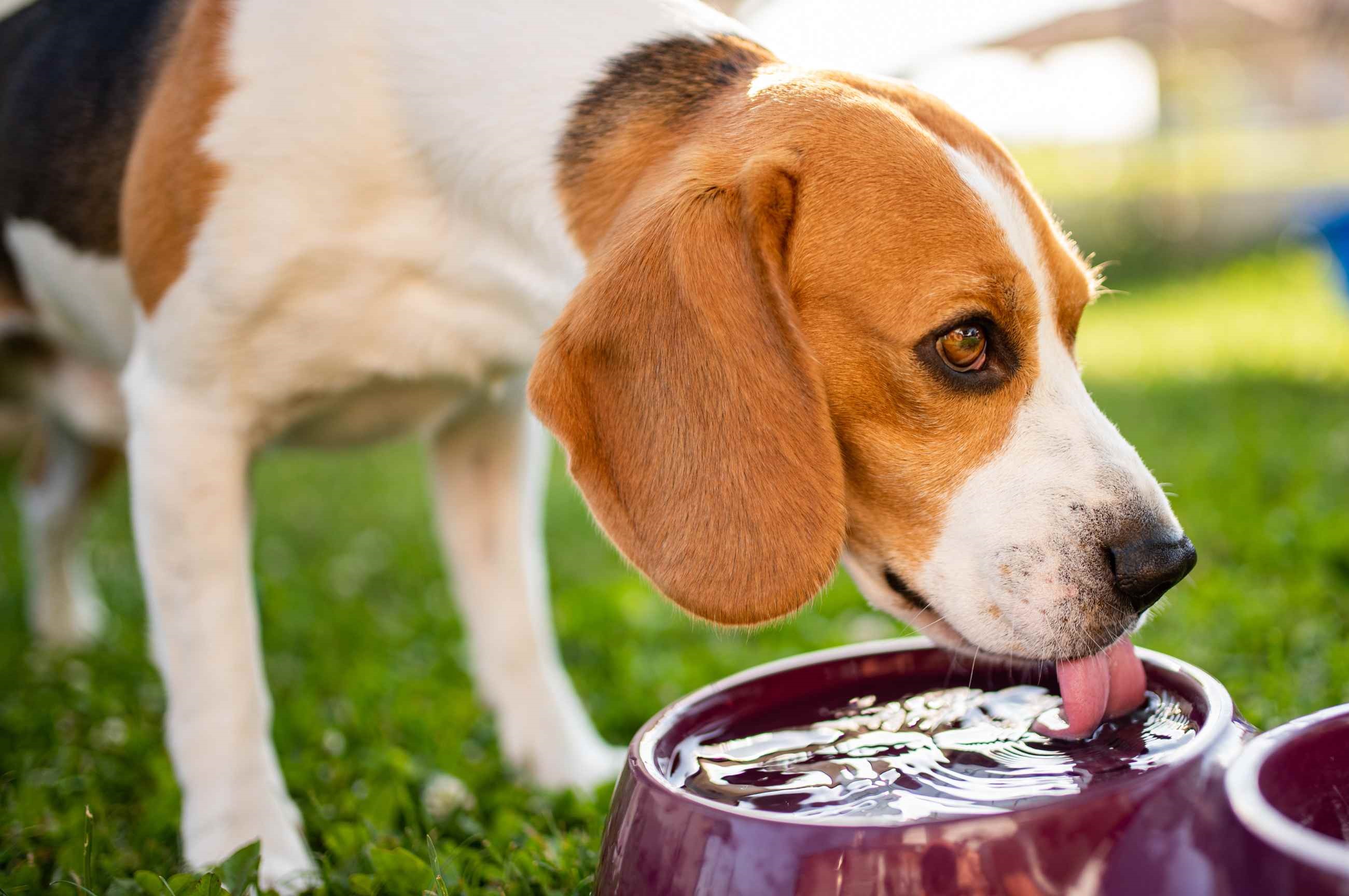
There are a few ways you can help your dog drink more water:
● Ensure permanent access to fresh, clean water. Change the water in the bowl regularly to keep it fresh and appetizing for your pet.
● Place several bowls of water in places accessible to the partner in different areas of the house or yard so that they are easily accessible.
● Try changing the water container or adding a water filter if you notice your pet prefers tap water or soft water.
● Try adding a little water to your dog’s wet food to increase the water content in his diet.
● Use special toys or water bowls to encourage your dog to drink more water. Some toys are designed to release water when the dog plays or is bitten.
● If your dog prefers cold water, try adding a few ice cubes to the water bowl to keep it nice and cool.
Always make sure your pet has access to fresh water and drinks enough water throughout the day, as proper hydration is crucial to their overall health. If you notice that your pet is having difficulty drinking water or is consistently drinking less water than usual, we recommend that you see a veterinarian for an evaluation and further advice.
To prevent nutritional deficiencies in your dog’s diet, it is important to provide him with a balanced diet that contains all essential nutrients in adequate quantities. Choose quality wet foodto be formulated for the specific needs of the owned dog and consult a veterinarian for personalized advice.
How can poor quality dog food cause nutritional deficiencies and health problems?
Eating the wrong food can lead to nutritional deficiencies and health problems for a variety of reasons. First, this food may contain poor-quality ingredients or be improperly processed, resulting in a lack of essential nutrients in your dog’s diet. It may also contain additives, preservatives or artificial colors that can negatively affect your dog’s long-term health. Additionally, poor-quality food can be difficult for your dog to digest, causing digestive problems and reduced nutrient absorption. All of these aspects can contribute to nutritional deficiencies and health problems in dogs.
In conclusion, an adequate and balanced diet is essential for the health and well-being of dogs of all ages. Avoid nutritional deficiencies by providing a healthy, complete diet that provides all the essential nutrients your pet needs to thrive and live a long, healthy life.
Read the article too Recognize signs of stress in your pet more easily.
latest posts published
Are heatwaves and heatwaves coming? Here’s how to protect your dog

8 activities your dog will love

Your dog can feel happy! Here’s how:

Dog too rebellious? Here are some causes of this behavior
Basset Hound – The nobleman with long ears and a sweet heart
9 dog breeds suitable for mountain trips

Are you going to work or on holiday? Here’s everything you need to do to leave your dog safely at home

How your pet can help you adopt a healthy lifestyle
An iconic breed, much more than a lap dog