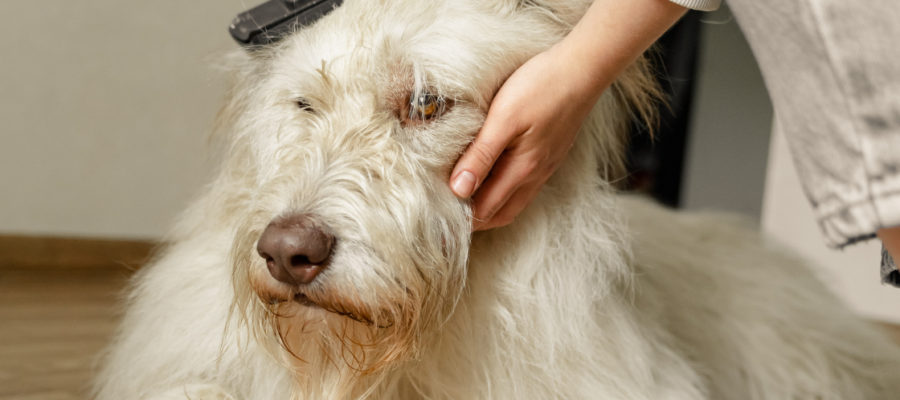

When we have a pet, various challenges may appear. Creation of a daily routine, a food plan, treatments and vaccinations. On top of all this, the dog can experience more serious health problems, illnesses or accidents. These must be treated seriously to help the animal regain energy and vitality. We are responsible for the animal’s well-being, so we must pay attention to it daily and periodically evaluate its health. Any behavioral changes or exaggerated physical manifestations should be examined in detail.
Animals have the ability to hide some diseases that can worsen over time. For example, dogs show certain sensitivities depending on the breed they belong to and display specific behaviors depending on their personality and how they were trained. You, as the owner, have the ability to observe the animal’s manifestations and intervene if you believe something is wrong. Skin diseases are divided into various categories, having multiple causes. Veterinarians point out that they are the most common health problems in dogs. The quality of the coat and the appearance of the skin provide clues to the dog’s health. Sometimes skin diseases require long and in some cases, lifelong treatment.
The body can become ill due to the impact of external factors, internal factors or a combination of the two categories. By external factors we mean infectious diseases caused by bacteria, fungi or parasites. These are organisms taken from the environment that subsequently enter the body, causing diseases and infections, leading to the onset of more serious health problems.
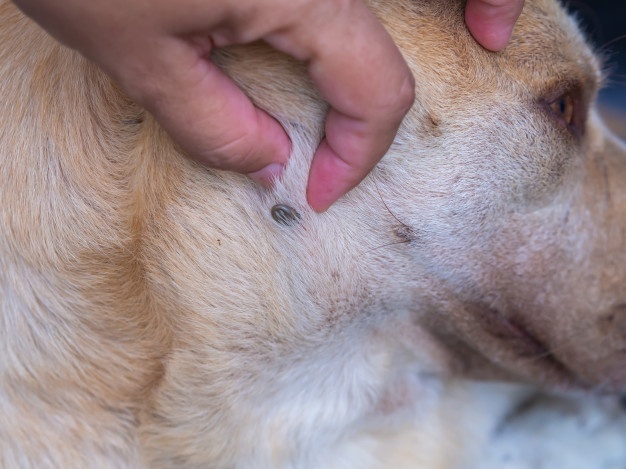
Taking this into account the dog’s need for exercise is great and the time spent in nature is long, it can come into contact with various parasites. They stick to the fur and cause various skin problems. Fur is a favorable environment for the development of parasites because it provides favorable conditions for proliferation. Identifying any wounds, irritations or infections is made difficult by the fact that the animal’s skin is hidden.
Skin problems occur frequently in warm weather and can cause considerable discomfort to your dog. He may suffer from mild ailments, but in case of complications, veterinary intervention is necessary. It must be taken into account that when a skin disease is not treated for a certain period it can amplify. For example, a simple skin allergy can worsen due to excessive scratching and can become infected with bacteria or parasites. The most common skin conditions are allergies:
- Caused by bacterial infections
- Determined by environmental factors
- Caused by the presence of different types of parasites
- How are skin diseases recognized?

One of the most important the indicators of the presence of a skin problem are scratches. If you notice that the animal is scratching excessively, an assessment of the environment, observation of the dog’s activities and daily interactions is necessary. Even if you pay more attention, it is possible not to discover the cause of this manifestation and a veterinary visit will also be necessary. Scratching is normal for the animal, but frequent or prolonged itching is a warning sign.
The dog can also manifest itself other behaviors to relieve the itching sensation such as rubbing the body against a solid, rough object or scratching the irritated area. Another indicator of the presence of a skin disease is excessive licking of different areas of the body to relieve discomfort.
There are a number of symptoms you can look out for if you suspect a skin problem: rashes, skin sores, infections, dry patches of skin, swelling, dandruff, swollen-looking areas, bleeding, loss of hair/coat on a certain part of the body.
Dog skin diseases:
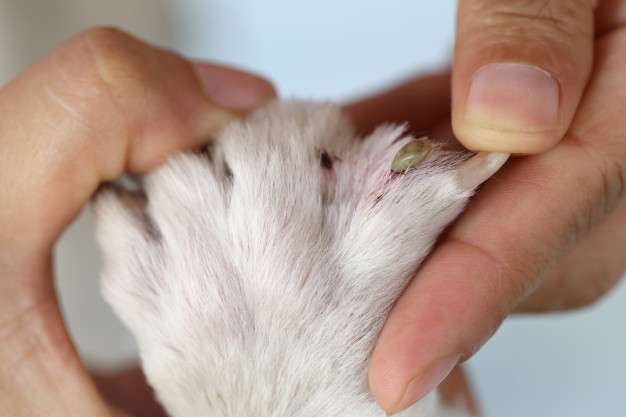
- Fleas – in most cases it causes moderate skin irritation. This is one of the most common pet problems. Fleas can attach themselves very easily to the animal’s fur, especially because it spends a lot of time in nature. Symptoms usually include excessive scratching, scabs, and red areas. If action is not taken promptly, flea infestation can cause the animal to lose blood and develop anemia, which leads to a decline in immune defenses. This will determine the weakness of the body, which will make it vulnerable to other external parasites. The treatment consists of various products that can be applied externally such as powders or creams or medications administered orally. In the event of the presence of fleas, general cleaning of the house and the animal’s resting place is mandatory.
- Allergic dermatitis – Faced with this condition, the dog shows excessive itching, especially on the face, eyes, ears and paws. In more serious cases the irritation can affect large portions of the body. There are some dog breeds that show increased sensitivity and can develop allergies more easily. There are 2 types of allergy triggers: environmental (external) and domestic (internal) ones. External allergens are associated with pollen, various types of plants and mold, while internal allergens are mites and house dust. The Golden Retriever is a breed that shows increased sensitivity and some dogs develop allergies early (starting from 6 months). If allergies are not treated properly, bacterial infections can occur, especially in the ears.
- Dandruff and flaky skin – dogs and humans face similar health problems. For example, dandruff and dry skin are signs of the presence of a skin infection, allergies, scabies. These symptoms can sometimes appear in cold weather due to excessive dryness of the skin. The dog needs quality food: supplements with omega 3 and 6 acids will help restore the hydration level and texture of the skin.
If your dog shows symptoms similar to those shown, visit your vet. Skin problems, regardless of their nature, require a thorough examination and proper treatment to prevent possible complications.
latest posts published

Are heatwaves and heatwaves coming? Here’s how to protect your dog

8 activities your dog will love

Your dog can feel happy! Here’s how:

Dog too rebellious? Here are some causes of this behavior

Basset Hound – The nobleman with long ears and a sweet heart

9 dog breeds suitable for mountain trips

Are you going to work or on holiday? Here’s everything you need to do to leave your dog safely at home

How your pet can help you adopt a healthy lifestyle

An iconic breed, much more than a lap dog