1. Ignoring brushing your teeth
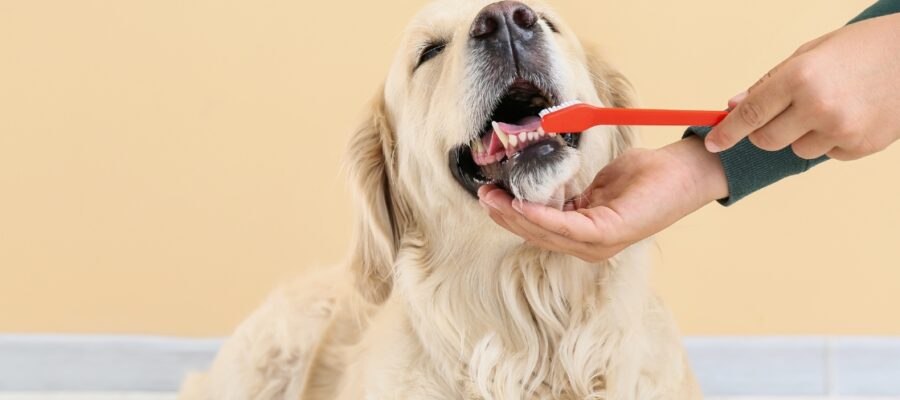
One of the biggest mistakes is not brushing your dog’s teeth regularly. Plaque and tartar can build up quickly, causing gum disease and tooth loss. Use a special dog toothbrush and toothpaste formulated for pets, not people.
Here are our oral hygiene products: you will find care and hygiene items to clean your teeth, mouth or freshen your breath!
What do you risk? Plaque and tartar can build up quickly if you don’t brush your dog’s teeth regularly, which can lead to gum disease, infection, severe pain and ultimately tooth loss. Untreated dental problems can also affect your dog’s overall health, including the heart and kidneys. To prevent these risks, use a special dog toothbrush and toothpaste formulated for pets, not people. Be sure to brush your dog’s teeth regularly to maintain optimal dental health.
2. Lack of regular visits to the vet
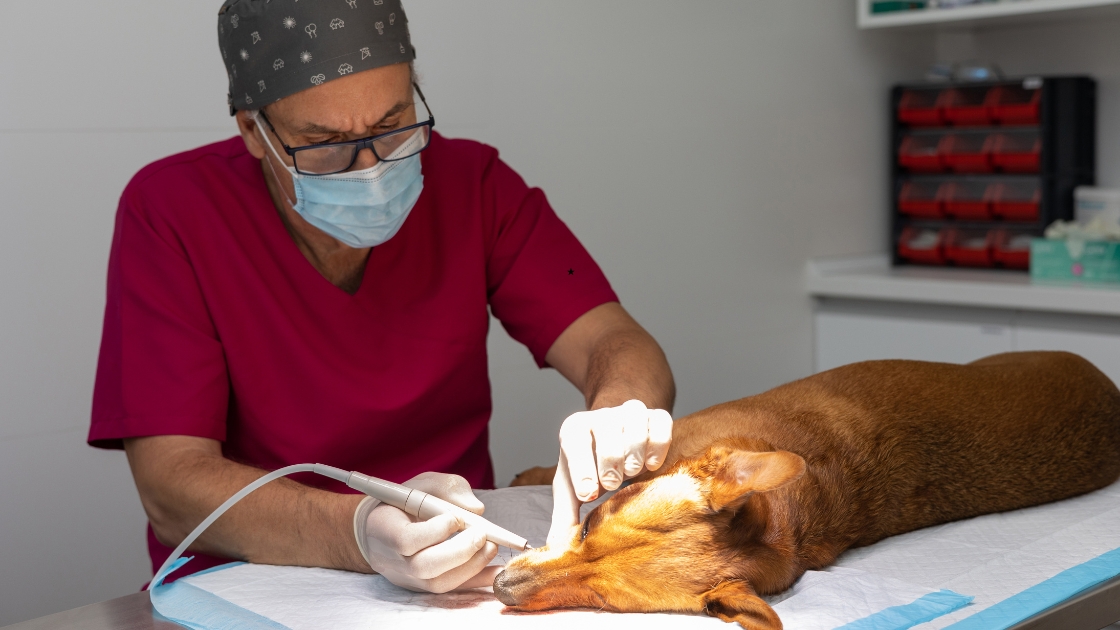
Many dog owners don’t take their pet for regular dental checkups. Your veterinarian can detect and treat dental problems in their early stages, thus preventing serious complications. Be sure to schedule a visit to the vet at least once a year for a complete checkup.
What do you risk? You can face developing serious dental problems for your dog! Without regular dental checkups, small problems can go unnoticed and worsen, causing severe pain, infections, tooth loss, and even damage to internal organs. Your veterinarian can detect and treat these problems in the early stages, thus preventing serious complications. Be sure to schedule a visit to the vet at least once a year for a complete checkup and to maintain your dog’s dental health.
3. Offer inappropriate food
Food plays a crucial role in your dog’s dental health. Avoid giving him sweet foods or foods rich in carbohydrates which can promote the formation of plaques. Choose quality dry food: consult our advice in the shopwhich helps clean his teeth and make sure his diet is balanced and healthy.
What do you risk? By not doing these things, you will contribute to the development of serious dental problems in your dog. Sweet or carbohydrate-rich foods can promote plaque formation, which leads to tartar, gum disease and ultimately tooth loss. Inadequate nutrition can also affect your dog’s overall health, leading to obesity and other health complications. To prevent these risks, opt for quality dry foods that help clean teeth and ensure your dog’s diet is balanced and healthy. Don’t forget either the delicious rewards that can be tasty and good for the teethI.

4. Using inappropriate toys
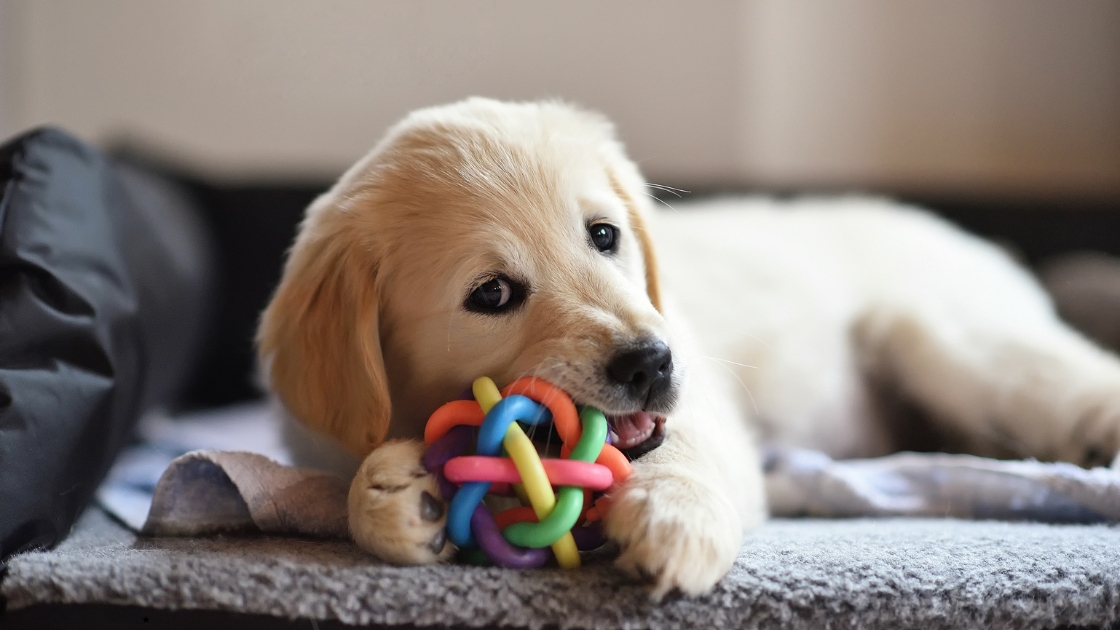
Not all toys are safe for your dog’s teeth. Toys that are too hard can cause tooth fractures, while toys that are too soft do not help clean teeth. Choose chew toys specially designed to maintain dental health, such as those made of durable rubber – we recommend ordering them directly from here!
Many people also choose toys made of thermoplastic rubber: a durable and reliable material, but at the same time gentle on the dog’s teeth. It can be used as a regular toy, or frozen and offered as a cooling toy in the warm months or for teething puppies. Since this toy can be used outdoors in any weather, it can be used on outings and for energetic games of fetch with your dog.
What do you risk? If you don’t follow this, you risk causing dental damage to your dog. Toys that are too hard can cause tooth fractures that are painful and expensive to treat, while toys that are too soft do not help maintain dental hygiene, allowing plaque and tartar to build up. These problems can lead to gum disease and tooth loss, affecting your dog’s overall health. To prevent these risks, choose durable rubber chew toys specifically designed for dental health.
5. Ignore the signs of dental problems
It is important to pay attention to signs of dental problems in your dog. Bad breath, excessive drooling, difficulty chewing, or refusing food can indicate serious dental problems. If you notice these signs, consult a specialist immediately.
What do you risk? Bad breath, excessive drooling, difficulty chewing, or refusal to eat can lead to serious complications such as infections, tooth loss, and severe pain. Additionally, untreated dental disease can affect other internal organs, such as the heart and kidneys, putting your dog’s life at risk. It is essential to consult a specialist immediately if you notice these symptoms to prevent your furry companion from getting worse.
6. Failure to follow post-procedure care instructions
If your dog has undergone dental work, it is crucial to follow the aftercare instructions provided by your veterinarian. These may include taking prescribed medications, dietary adjustments, and limiting certain activities to ensure a full and quick recovery.
What do you risk? Ignoring post-procedure care instructions can lead to complications such as infection, prolonged pain, and slow healing. Failure to administer prescribed medications can worsen your dog’s condition, while neglecting dietary adjustments and activity restrictions can cause further stress and discomfort. Carefully following your vet’s instructions is essential to ensure a complete and rapid recovery, thus preventing potential long-term health problems.
Read the article too The dog’s needs to have a happy, balanced and healthy pet.
Conclusion
Caring for your dog’s dental health requires dedication and attention, but the long-term benefits are undeniable. By avoiding these common mistakes and adopting proper dental care practices, you will contribute to your dog’s overall well-being, ensuring a healthy and happy life. For more pet care tips and products, visit our blog section.
Take care of your four-legged friend’s dental health and enjoy his happy smile every day!
latest posts published
Are heatwaves and heatwaves coming? Here’s how to protect your dog
8 activities your dog will love

Your dog can feel happy! Here’s how:
Dog too rebellious? Here are some causes of this behavior
Basset Hound – The nobleman with long ears and a sweet heart
9 dog breeds suitable for mountain trips

Are you going to work or on holiday? Here’s everything you need to do to leave your dog safely at home

How your pet can help you adopt a healthy lifestyle
An iconic breed, much more than a lap dog