AND traveler Through Time: The Fascinating Story of the Basenji
The Basenji breed has a history deeply rooted in African traditions and culture, being considered one of the oldest dog breeds. Native to central Africa, particularly the regions around the state of Congo, the Basenji was used by local tribes, such as the Pygmies, for small and medium-sized game. These dogs were essential in hunting due to their ability to trap game and their strong instinct to chase prey.
In terms of archaeological finds, dogs that resembled modern Basenjis were depicted in ancient Egyptian art. Bas-reliefs and statues have been found on the walls of temples and in Egyptian tombs that suggest the presence of dogs similar to Basenjis, underlining their importance in Egyptian society and their role in hunting and, perhaps, religion.
Until the end of the 19th century, Basenjis remained relatively unknown outside of Africa. During that time, European explorers began bringing Basenji specimens to Europe. Initial attempts to introduce the breed outside of Africa were often plagued by disease, particularly distemper (Carré’s disease), to which the dogs had no immunity, and so many of the dogs brought in died.
In African cultures, Basenjis had spiritual significance, being considered dogs with mystical powers and treated as important partners in daily and spiritual life.
Nearly a century later, in the 1930s, significant progress was made in breeding and improving the breed in Europe and the United States. In this way, healthier and more robust bloodlines were established.
During this period, the Basenji began to be officially recognized by dog clubs, including the Kennel Club in Great Britain and the American Kennel Club (AKC) in the United States. Currently, the Basenji is recognized and appreciated not only for its unique appearance and hunting skills, but also for its distinctive personality and its “barkless” behavior, i.e. the inability to bark. Instead of barking, Basenjis make a specific yodel-like sound called a “baroo” due to the structure of their larynx, which is different from that of other dogs.
Therefore, the breed has become popular as a pet in many countries around the world, but still maintains its deep connection to African traditions and history.
For greater care, choose dog hygiene items from the Petmax.ro store!
Elegance in miniature: the physical appearance of Basenjis
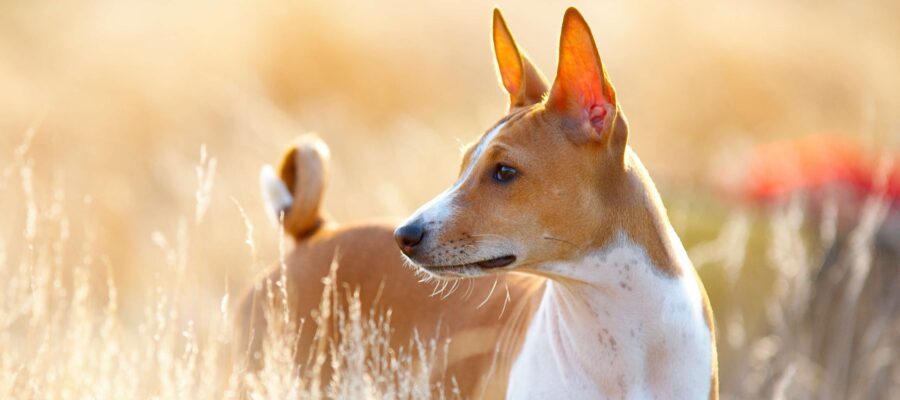
Basenji is a small dog, with a height of approximately 40-43 cm and a weight of 9-11 kg. His body is compact, muscular and well-proportioned, with an elegant and athletic appearance. The head is elongated, with a flat skull and conical muzzle. The eyes are almond-shaped, usually dark in color, which give them an intelligent and alert expression. The ears are small, erect and pointed, set high on the head, contributing to its alert appearance. The tail is of medium thickness, tightly curved over the head. The fur is short, fine, and shiny, usually in a variety of colors such as red, black, tricolor (black, white, and red), or streaked, always with white markings on the legs, chest, and tip of the tail. The Basenji is distinguished by the lack of the characteristic odor of dogs and by the fact that it does not bark, but emits a sound similar to a yodel, called “baroo”, as I wrote above.
Order the right food for your dog here.
A Free Spirit: Basenji Temperament and Behavior
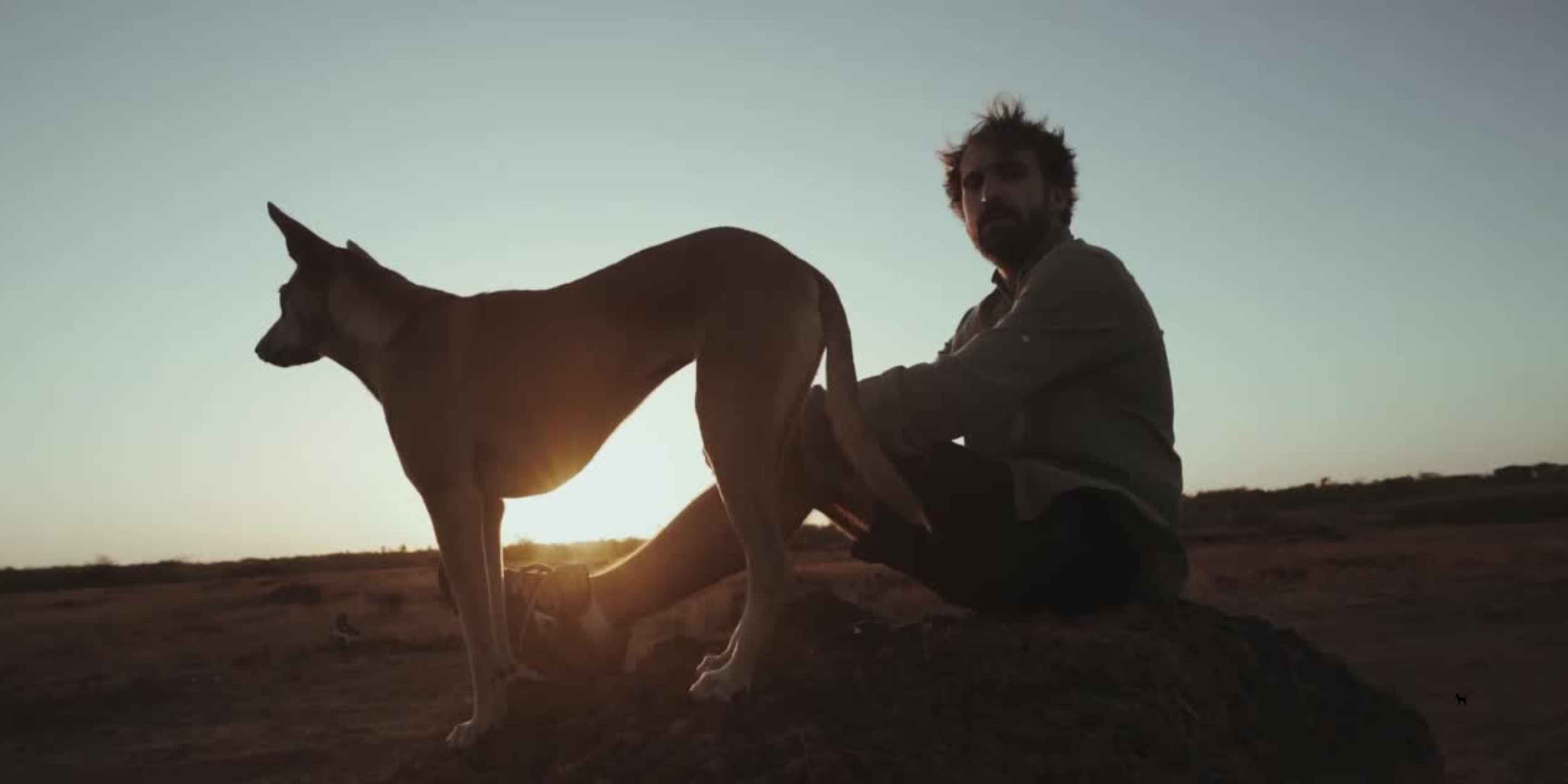
The Basenji is an intelligent, independent and curious dog, known for its alert nature and feline behavior. He is extremely loyal to his family, but can be reserved with strangers. These dogs are very energetic and need a lot of physical and mental stimulation, being prone to exploration and adventures, thanks to their hunting instinct. Although they do not bark, Basenjis communicate through various sounds and facial expressions, being very expressive.
They are strong-tempered dogs and can sometimes be stubborn, which can make training a challenge. At the same time, they enjoy routine and may become anxious or bored if left alone for too long. The Basenji has a playful nature and is often affectionate, but can tend to be bossy, requiring a firm and consistent owner. Being curious dogs, they are always alert and can display cautious behavior in new situations.
They are also known for their cleanliness, having similar habits to cats in terms of personal grooming.
The Basenji is an excellent hunting dog, traditionally used to trap prey thanks to its agility and strong instincts. In rural areas of Africa it is still used for small and medium-sized game. Furthermore, due to its independent and alert character, it can be a good watchdog, even if it doesn’t bark.
In the home environment, the Basenji is an active and loyal companion, ideal for people or families who lead an active lifestyle and appreciate a dog with a strong personality and need of mental stimulation.
Check out the article The unknown connection between prebiotics, probiotics and dog health.
How to train a rebel: training Basenjis
Training the Basenji can be challenging due to his independent and sometimes stubborn nature. He is an intelligent dog, but prefers to think for himself, so traditional training methods may not always be effective. Training must be based on patience, consistency and positive rewards, because the Basenji responds better to motivation than to corrections. Starting to train from an early age is essential to establish rules and limits. It is important to socialize adequately to prevent reserved or anxious behavior towards strangers or new situations.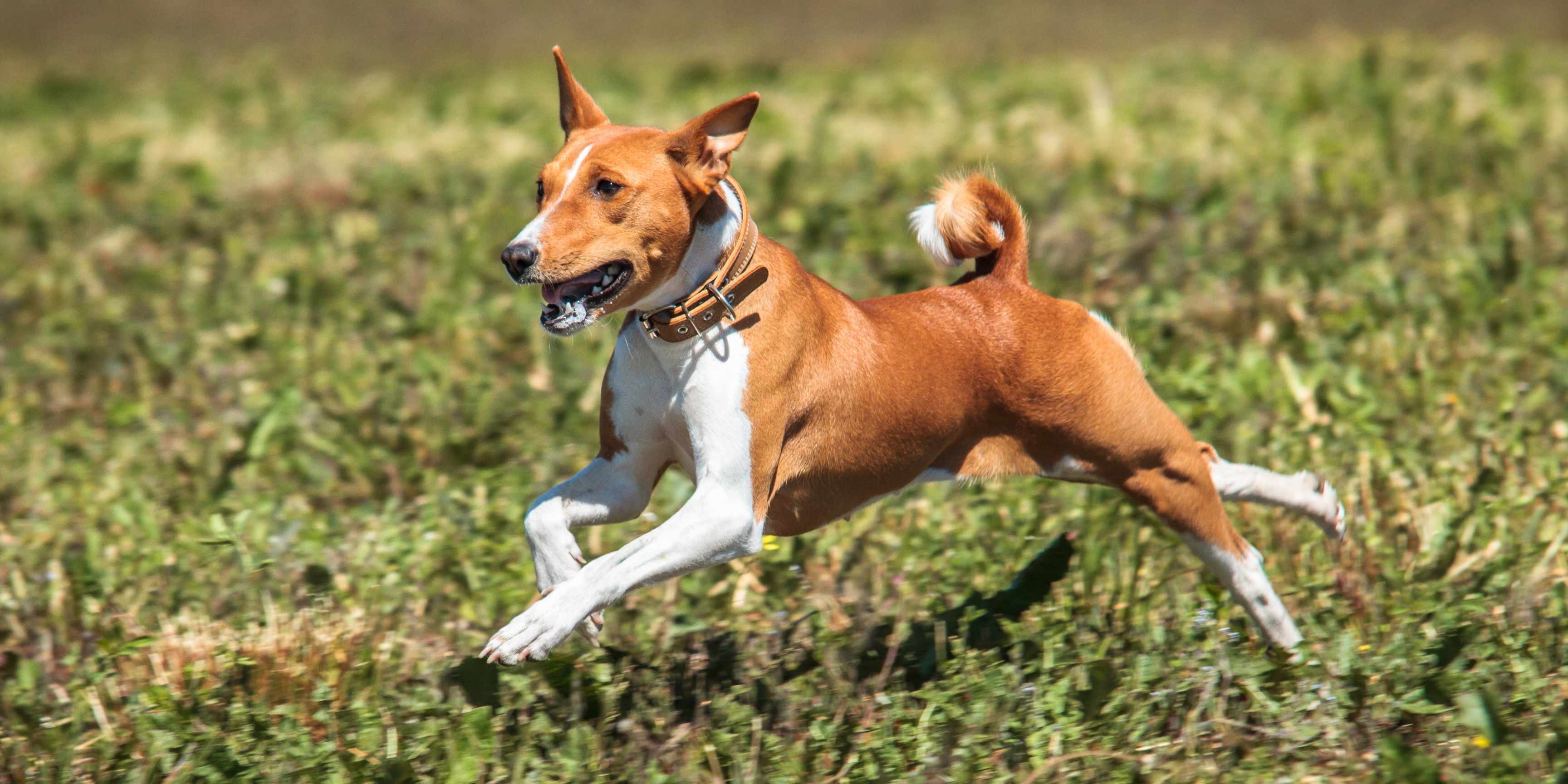
Hassle-Free Grooming: What Basenji Grooming Involves
The Basenji requires minimal grooming due to its short, fine, odorless fur. It does not require frequent bathing, a weekly brushing is sufficient to remove dead hair. He is a very clean dog, with self-grooming habits similar to those of cats. Ears should be checked and cleaned periodically to prevent infections and teeth should be brushed regularly to maintain oral health. Nails should be trimmed as needed to avoid discomfort. The Basenji needs plenty of daily exercise and mental stimulation to prevent boredom and destructive behaviors.
A healthy athlete, but with genetic risks: the health of Basenjis
The Basenji is, in general, a healthy breed, but can be prone to certain hereditary conditions. These include Fanconi syndrome, a kidney disease that affects the reabsorption of electrolytes, and progressive retinal atrophy, which can lead to blindness.
Other common health problems include hip dysplasia and hypothyroidism. It is important to undergo genetic testing to detect potential hereditary diseases.
The Basenji has a lifespan of approximately 12-16 years and requires regular veterinary checks to maintain optimal health. A balanced diet and regular exercise are essential to prevent obesity and maintain physical condition.
Read the article too Does your dog need more exercise? Find out now.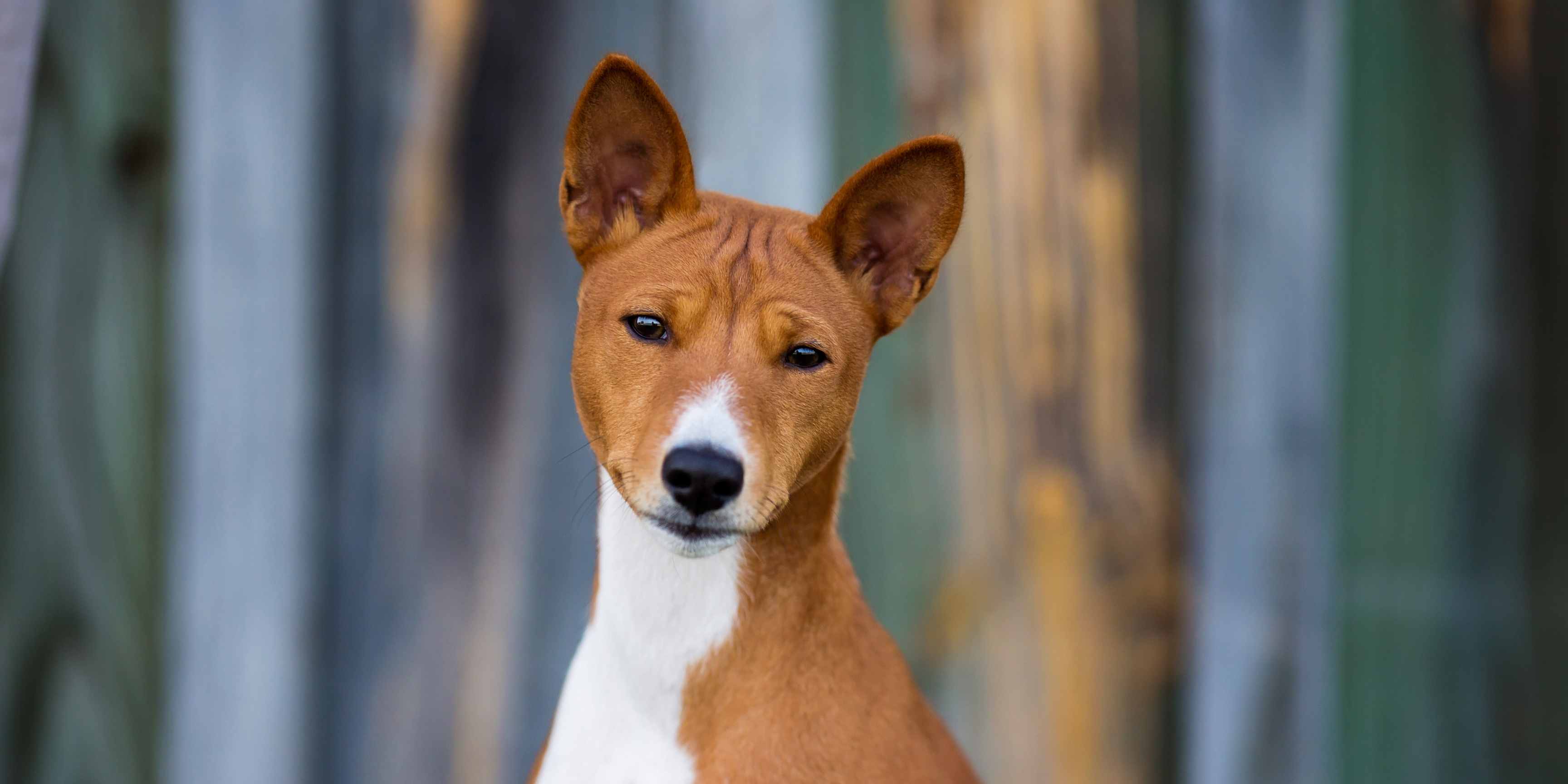
Basenji in the life of celebrities: elegance and eccentricity
The Basenji breed has captured the interest of many famous people over time thanks to its unique character and distinctive appearance.
Barbara Woodhouse – The famous British dog trainer, known for his training shows and books, had a Basenji and was a great admirer of the breed.
Frida Kahlo – The Mexican artist famous for her vibrant and autobiographical paintings, Kahlo had a Basenji that was often present in her life and works.
Katharine Hepburn – The legendary Hollywood actress was known for her love of dogs and had a Basenji, which reflected her sophisticated and elegant style.
James Dean – The iconic American actor of the 1950s, known for his provocative roles, also had a Basenji, a symbol of his rebellion and independence.
Diana Vreeland – A famous fashion editor and influential personality in the fashion world, Vreeland was known for her extravagant and sophisticated taste, and had a Basenji, fitting her refined style.
These personalities chose the Basenji for its unique traits and special personality, which matched their individual style and preferences.
Want to find out more useful things about other dog breeds? Enter the Petmax.ro blog!
latest posts published
Are heatwaves and heatwaves coming? Here’s how to protect your dog

8 activities your dog will love
Your dog can feel happy! Here’s how:
Dog too rebellious? Here are some causes of this behavior
Basset Hound – The nobleman with long ears and a sweet heart
9 dog breeds suitable for mountain trips

Are you going to work or on holiday? Here’s everything you need to do to leave your dog safely at home

How your pet can help you adopt a healthy lifestyle
An iconic breed, much more than a lap dog