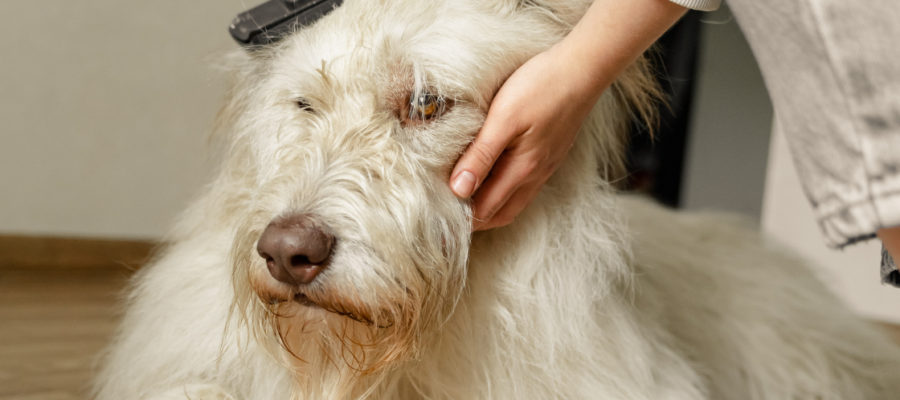
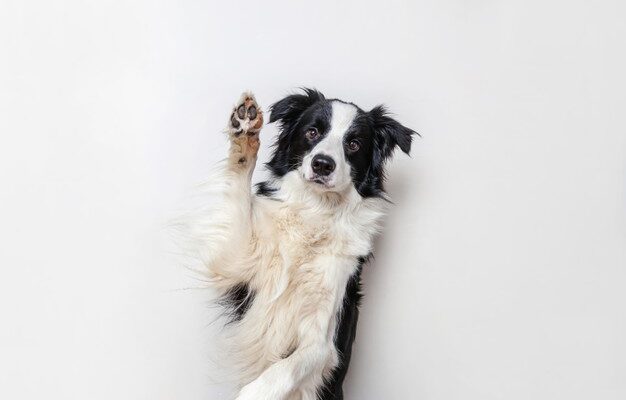
The dog is a very close relative of the wolf. It is closely related to the ancient extinct wolf, the modern wolf being the dog’s closest living relative. The dog was the first species to be domesticated by hunter-gatherers more than 15,000 years ago, before the development of agriculture. Their long coexistence with humans has led dogs to uniquely adapt to human behavior allowing for an abundant cosmopolitan distribution and managing to thrive on a starch-rich diet, which would be inadequate for other canids.
HERE you can buy BonaCibo superpremium foods
The origin of the domestic dog includes the genetic divergence of the wolfdog, its domestication, and the appearance of the first dogs. Genetic studies show that all ancient and modern dogs have a common ancestry and are descended from an extinct wolf population or closely related wolf populations. An extinct late Pleistocene wolf could have been the ancestor of the dog, and one study highlighted the fact that this Pleistocene wolf was closer in size to a village dog.
Domestic
Ancient origins – in 2021, a literary review of current evidence deduces that the dog was domesticated in Siberia 23,000 years ago by ancient northern Siberians, then spread eastward into America and westward into Eurasia.
Biology
Domestic dogs they have been selectively bred for millennia for various behaviors, sensory abilities, and physical attributes. Modern dog breeds show more variation in size, appearance and behavior than any other domestic animal.
Size and weight
Dogs are very varied in terms of height and weight. The smallest known adult dog was a Yorkshire Terrier which was only 6.3 centimeters (2 1 ⁄ inches) at the shoulder, 9.5 centimeters (3 3 ⁄ inches) long across the head and body and weighed just 113 grams (4 ounces). The most massive dog known was a Saint Bernard which weighed 167.6 kg (369 1 ⁄ lb) and was 250 cm (8 ft 2 in) long from snout to tail. The tallest dog is a Great Dane measuring 106.7 cm (3 ft 6 in) at the shoulder.
HERE you can buy BonaCibo superpremium foods
All my life
A 2013 study found that mixed-breed dogs live an average of 1.2 years longer than pure-breed dogs. Increased body weight was negatively correlated with longevity (i.e., the heavier the dog, the shorter its life expectancy).
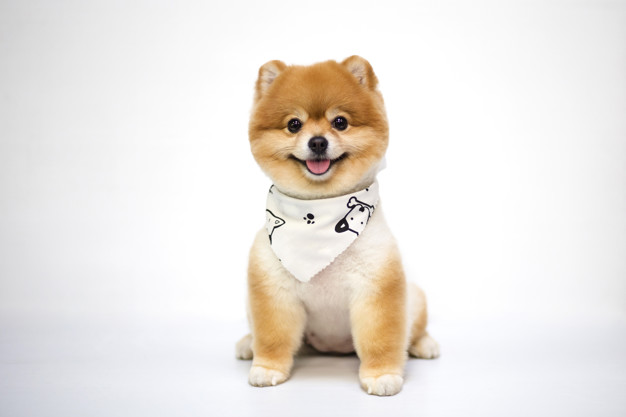
The typical lifespan of dogs varies greatly between breeds, but for most the average lifespan ranges from 10 to 13 years. Some dogs can live well beyond the average for their breed.
The breed with the shortest lifespan (among breeds for which a questionnaire with a reasonable sample size exists) it is the Dogue de Bordeaux, with an average longevity of approximately 5.2 years. However, several breeds, including Miniature Bull Terriers, Bloodhounds, and Irish Wolfhounds, are almost as short, with an average lifespan of 6 to 7 years.
The longest-lived breedsincluding toy poodles, Japanese spitz, border terrier and Tibetan spaniel, they have an average longevity of 14-15 years. The average longevity of mixed-breed dogs, taken as the average of all sizes, is one or more years longer than that of purebred dogs when averaged across all breeds. The longest-lived dog was “Bluey”, an Australian cattle dog who died in 1939 at the age of 29.5 years.
Intelligence
The dog’s intelligence represents its ability to perceive information and retain it as knowledge to be applied to respond to environmental stimuli. Studies conducted on dogs suggest that animals can learn by deduction and have advanced memory abilities. A study conducted on Rico, a Border Collie, showed that he knows the labels of over 200 different items. He inferred the names of new things through exclusion learning and correctly retrieved those new items immediately and four weeks after initial exposure.
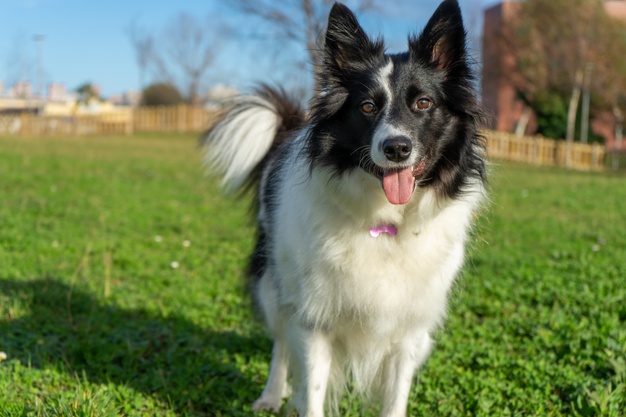
A study on another Border Collie, “Chaser”, documented his learning and memory abilities. He was able to memorize the name and associate over 1,000 words via verbal command. Dogs can read and react appropriately to human body language, such as human gestures, directions and voice commands.
A 2018 study on canine cognitive abilities found that dogs’ abilities are no more exceptional than those of other animals, such as horses, chimpanzees or cats. Various animals, including pigs, pigeons and chimpanzees, can remember the “what, where and when” of an event, which dogs cannot.
HERE you can buy BonaCibo superpremium foods
Dogs demonstrate a theory of mind by engaging in deception. An experimental study showed compelling evidence that Australian dingoes can outperform domestic dogs in solving non-social problems, indicating that much of the dogs’ initial problem-solving skills diminished once they bonded with humans.
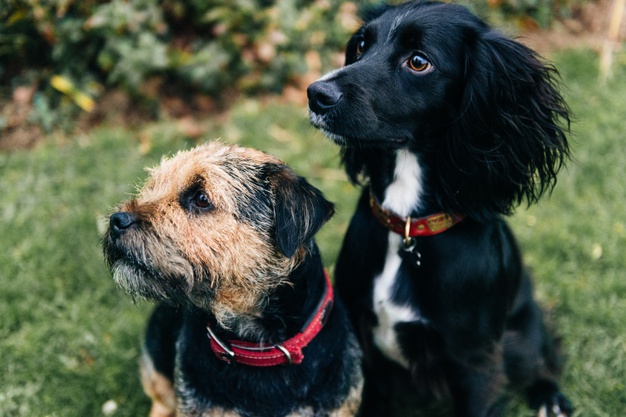
It was also observed that after training that involved solving simple manipulation tasks, dogs facing the same problem looked at the human, while socialized wolves acted.
Diet
Dogs have been described as carnivores or omnivores. Compared to wolves, dogs in agricultural societies have extra copies of amylase and other genes involved in starch digestion, which contribute to a greater ability to develop normally even on a high-starch diet. Also, like humans, some dog breeds produce amylase in their saliva. Based on metabolism and nutrition, many consider dogs to be omnivores.
HERE you can buy BonaCibo superpremium foods
However, dogs are not just omnivores. More than cats and less than other omnivores, dogs can only produce bile acids with taurine and cannot produce vitamin D, which they get from animal meat. Additionally, dogs require arginine to maintain nitrogen balance. These nutritional needs place dogs halfway between carnivores and omnivores.
latest posts published
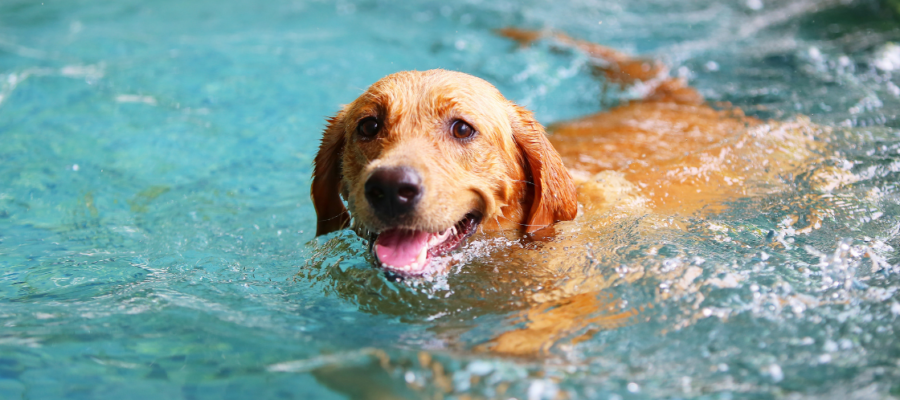
Are heatwaves and heatwaves coming? Here’s how to protect your dog

8 activities your dog will love

Your dog can feel happy! Here’s how:
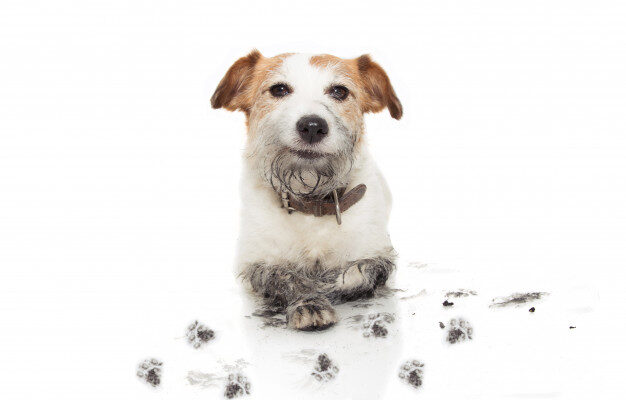
Dog too rebellious? Here are some causes of this behavior
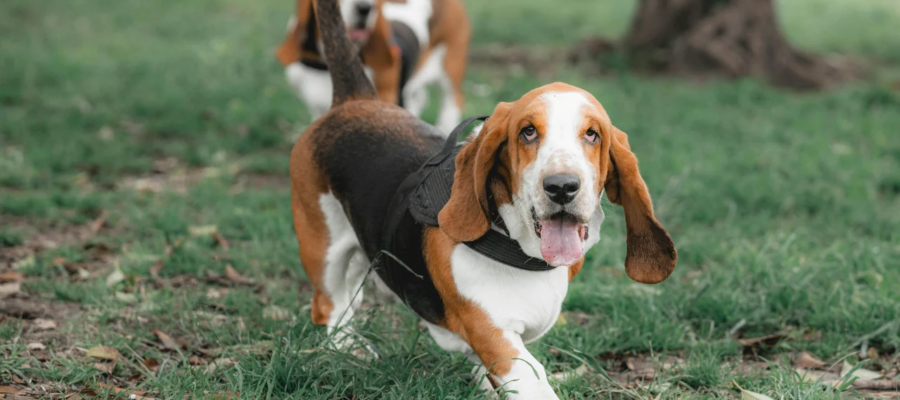
Basset Hound – The nobleman with long ears and a sweet heart
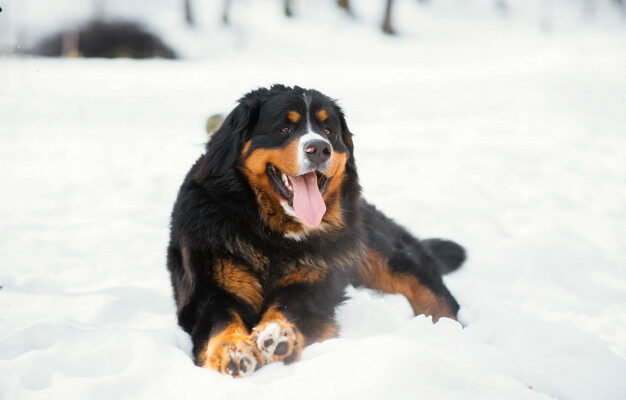
9 dog breeds suitable for mountain trips

Are you going to work or on holiday? Here’s everything you need to do to leave your dog safely at home

How your pet can help you adopt a healthy lifestyle
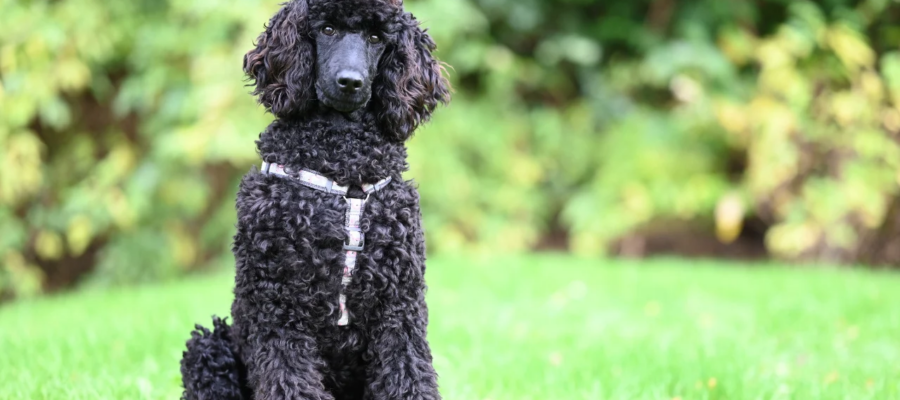
An iconic breed, much more than a lap dog