
The Yorkshire Terrier is a very small dog breed, Yorkshire terriers commonly called “Yorkies” have a modest origin story. More accurate is an ancient English breed bred and improved in the Yorkshire region of England, where it took its name in 1870. During the Industrial Revolution in England, Scottish workers came to Yorkshire to work in coal mines and textile factories, bringing with them a dog called the Clydesdale Terrier or Paisley Terrier.
These dogs were much larger than today’s Yorkies and are said to have been used primarily for hunting mice. Clydesdale Terriers were crossed with other types of Terriers, probably with the English Black Terrier, the Tan Toy Terrier and the Skye Terrier. The Water Terrier also contributed to the development of the Yorkshire Terrier, the latter being a small dog with long silver-blue fur.
In 1861 the Yorkshire Terrier was presented at a specialized exhibition in the “Terrier Sarmos” category. A dog named Huddersfield Ben, born in 1865, became very popular at these shows and is considered the father of the modern Yorkshire Terrier. The breed received its current name in 1870 when breed standards were established. It was first recorded in the British Kennel Club records in 1874. The first Yorkshire Terrier club in England was founded in 1898. They come from the same area as the Airedale Terrier breed.
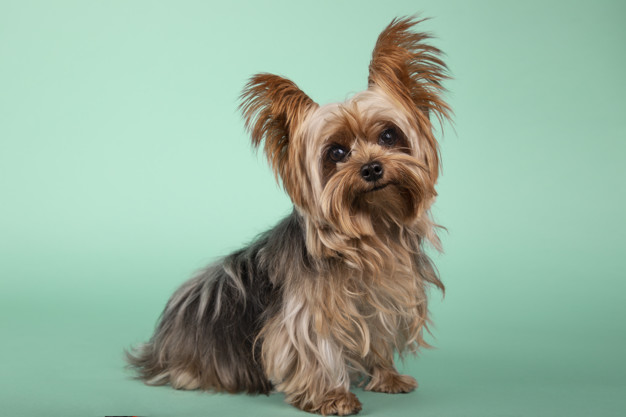
Also In 1995, a Yorkshire Terrier named Big Boss received the title of the world’s smallest dog– setting a new world record, the dog was only 11.9 cm tall and 12.9 cm long.
Characteristics of the breed
The weight is 1-3.5 kg. Height 15-17.5 cm and life expectancy 12-16 years.
Personality
Being a small dog, he still has a “big” character, a cheerful and affectionate companion. Intelligent and confident, he is a combination of a little darling and the adventurous spirit of a terrier. The breed covers a wide range of personalities, some are lovable and full of life, eager to follow their owners step by step throughout the day, others are mischievous beyond measure and in everything they do.
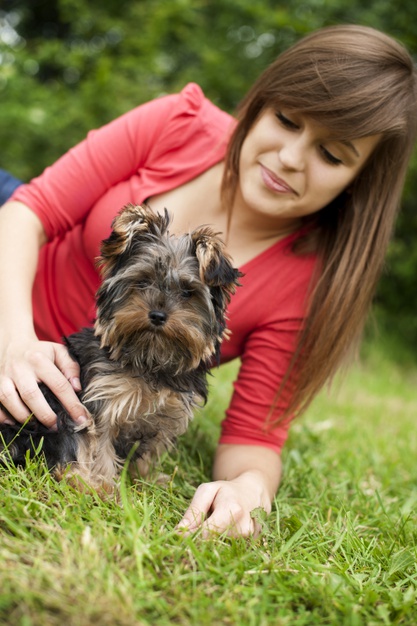
Set their limits and then your Yorkshire will be a wonderful companion, but be careful not to spoil it too much. Start training him when he is a puppy and you will have more success than if you left him alone and then tried to correct his bad habits.
Like all dogs, Yorkies need early socialization by putting them face to face with different people, places, sounds and experiences from the time they are puppies. Socialization will help you have a friendly and well-behaved puppy.
Independent characters, they can also be recognized by the fact that they do not take into account the limits imposed by their height and sometimes attack large dogs. They can be aggressive with foreign dogs and small animals, in other words they have true Terrier heritage. He is alert, particularly alert and barks whenever he senses danger.
They are not recommended for families with small children, although they are very loyal and affectionate.
Training
Particularly intelligent, they can be quite difficult to train due to their independent and stubborn nature. They are particularly affectionate, devoted and very attached to their family and home, while they are wary of strangers. Despite their small stature, properly trained they can also be fierce and agile participants in agility competitions. Their rapid movements and remarkable intelligence make them well suited to handling the physical and mental challenges of competition.
Although they are generally healthy and long-lived, a Yorkshire Terrier’s health is not without risks. Some of the most common health problems are also genetic and can be tested for or detected early. Others are often the result of inadequate care and can be avoided with proper diet and supervision.
Hypoglycemia and tremors – Yorike dogs are prone to shivering occasionally, often simply due to temperature or overexcitement, but sometimes this behavior can be a sign of something more serious. Hypoglycemia is mostly found in chickens that adapt slowly to solid food.
Pancreatitis – because they enjoy tasty rewards or consume diets high in excess calories and fat, but their small pancreas cannot handle this consumption, they often develop pancreatitis. A balanced diet, exercise, and a reasonable number of snacks will help prevent this life-threatening condition.
Tooth damage – Proper care will help prevent dental problems common to the breed. Although tooth decay and plaque are often a risk for the Yorkie, Daily brushing and dental rewards help avoid these problems and keep your teeth clean and healthy. There are numerous chew toys for cleaning teeth.
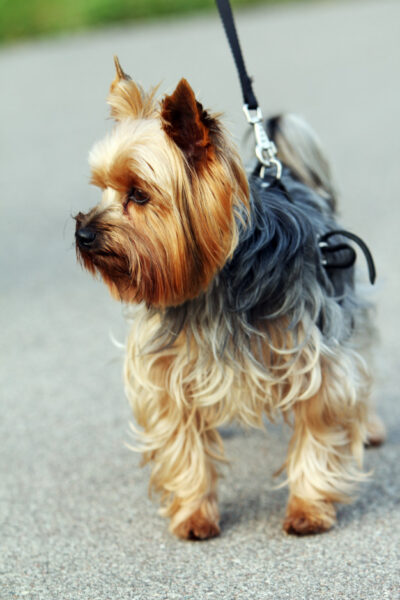
Sensitive trachea – Having a small and fragile neck, the trachea in particular is susceptible to some external factors if unjustified pressure is exerted on this area of the body. Due to this risk, it is advisable not to walk your dog with a collar and leash, but you can always use a leash with a harness.
Gastrointestinal blockage – Like most young dogs, puppies love to chew on almost any stick, rock, or pine cone they find on their daily walks, but because of their tiny gastrointestinal tracts, they are especially vulnerable to foreign objects becoming trapped. So it’s a good idea to discourage red risky objects and offer them safe toys instead.
Allergies – they are subject to allergic sensitivity of both the respiratory tract and the skin. Respiratory allergens tend to be caused by the usual suspects: mold, pollen, and other seasonal irritants that also affect humans.
latest posts published
Are heatwaves and heatwaves coming? Here’s how to protect your dog

8 activities your dog will love

Your dog can feel happy! Here’s how:
Dog too rebellious? Here are some causes of this behavior
Basset Hound – The nobleman with long ears and a sweet heart
9 dog breeds suitable for mountain trips

Are you going to work or on holiday? Here’s everything you need to do to leave your dog safely at home

How your pet can help you adopt a healthy lifestyle
An iconic breed, much more than a lap dog