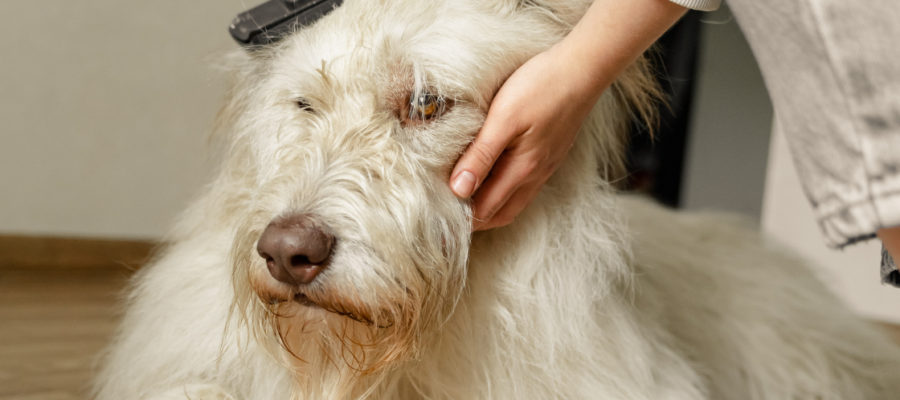

There is a bond of acceptance and unconditional love between children and animals. They are able to connect on a deep level and demonstrate affection for each other. Children assimilate information through observation and the animals next to them have the opportunity to naturally teach them to discover the environment.
Psychologist Elizabeth Anderson he specified in his book published in 2008 (The Powerful Bond Between People and Pets) that when animals and children interact giving life to an alchemical process and the magic present has therapeutic properties for both some and others.
Many of us grew up with certain prejudices towards animals and with limiting beliefs about relationships with them. Above all children are taught from an early age to maintain a certain distance from dogs or cats and the reasons are various, such as not to get dirty if they touch the animal in question or not to bite. On an ideal level, humans and animals have a relationship based on acceptance, friendship and love. With the passage of time, however, men have forgotten some rules for living well with nature and the human-animal relationship has been progressively affected.
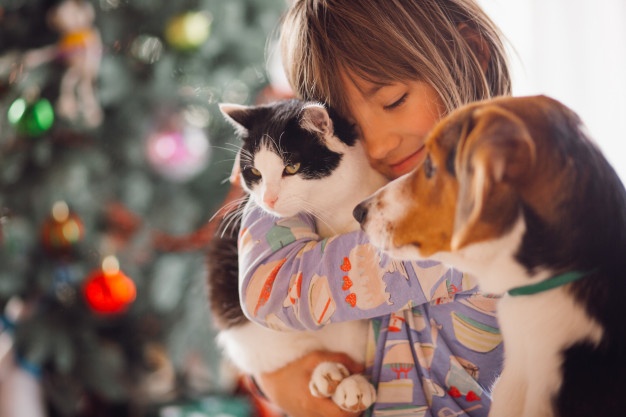
There are numerous studies that have found that dogs and cats can contribute to the psycho-emotional development of the child and support his harmonious development from a physical and mental point of view. Scientists have concluded that the presence of pets helps children develop greater self-esteem and acquire social skills.
Pets help children integrate better into the playgroup, communicate and socialize better with playmates. Raising a pet requires care and responsibility, and the child has the opportunity to learn many lessons about the correct way to relate to animals. Furthermore, you will develop respect for the environment and nature as a whole. Children who live with pets are more sociable and open than others and have the following characteristics:
- is in good health
- they are more attentive and receptive
- they are in good physical condition and are active
- They have a balanced behavior
- are less likely to be diagnosed with attention deficit hyperactivity disorder or hyperactivity disorder.
Children who grow up with animals have a more developed immune system, get sick less often and are less likely to develop allergies or asthma.
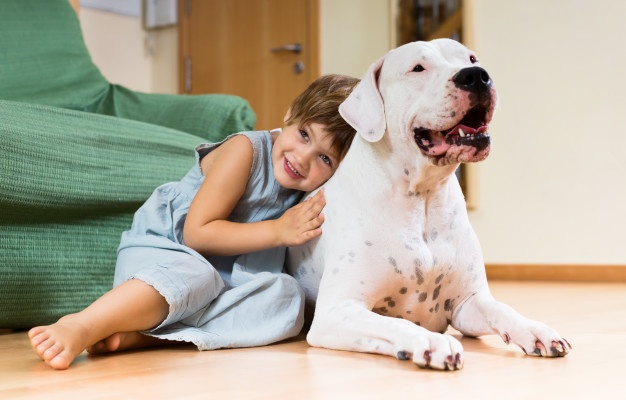
There are some dog or cat breeds that are better suited to growing up with children. Veterinarians advise us to study before buying or adopting a pet for a child.
Below we have detailed a series of benefits that the animal has on the child:
1. It helps him communicate
A pet will give the child unconditional love and affection. No matter what challenges arise throughout life, your child will have a loyal friend. Specialized studies have shown that the presence of a pet can help reduce stress or anxiety in children. A dog or cat helps the child develop a healthy attachment and offers emotional support to the little one.
2. Responsibility
Children will only learn what care and responsibility mean when they interact with another living being. The pet helps the child develop habits with a long-term positive impact. Feeding, cleaning, walking and caring for an animal are activities that children can do. However, they can be supervised and helped by their parents. Children can also easily learn the pet’s eating routine, including the standard portion and feeding schedule.
3. Physical activity
Whether it’s a walk or a game, animals provide opportunities for children to engage in physical activities both inside the home and in the yard or park. A walk around the neighborhood or a game of ball will help children develop the habit of exercising regularly. They will be stimulated and encouraged to interact with the animal and pay attention to its reactions. Animals and children need regular exercise because they have a large amount of energy to expend.
4. More health
A recent study conducted at the University of Kuopio in Finland shows that children who lived with dogs in the first year of life were less likely to show respiratory diseases than other children who did not have a dog as a pet. This phenomenon has an explanation, which is that the child will be exposed to different types of germs and this develops the immune system. In this way the children’s bodies will react much better to future health problems and many diseases can be prevented.
5. Better family relationships
We must recognize that the dog is another member of the family. It can help bring brother and sister closer together as they show a common love for the pet.

This will reduce rivalry or jealousy. Parents can support this process by equally distributing pet care responsibilities.
6. Development of socialization and empathy skills
Raising a dog helps children acquire social skills, manage impulsive manifestations and supports the development of self-esteem. Furthermore, they will become friendlier: when they walk the dog, other people and dogs are very likely to approach them. Children will learn the meaning of generosity and patience by exchanging some general impressions about the animal or other topics with others.
Many like to say that the dog is man’s best friend, but it is much more correct to say that the dog is the child’s best friend. If your children or grandchildren ask you to buy them a dog, we advise you to take into account the special impact it will have on the little ones.
latest posts published
Are heatwaves and heatwaves coming? Here’s how to protect your dog

8 activities your dog will love

Your dog can feel happy! Here’s how:

Dog too rebellious? Here are some causes of this behavior

Basset Hound – The nobleman with long ears and a sweet heart
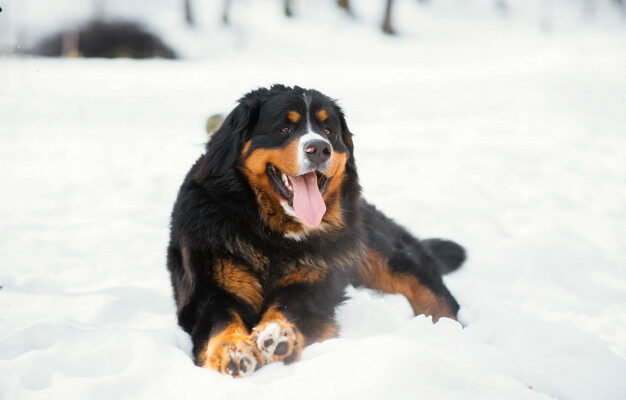
9 dog breeds suitable for mountain trips

Are you going to work or on holiday? Here’s everything you need to do to leave your dog safely at home

How your pet can help you adopt a healthy lifestyle
An iconic breed, much more than a lap dog