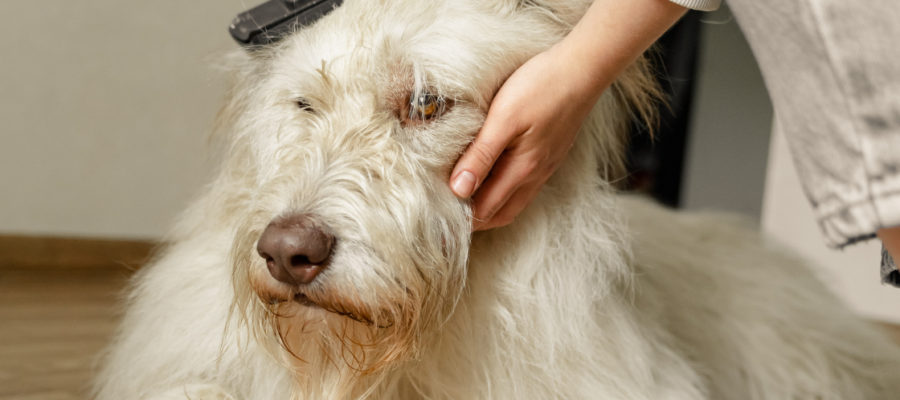

Did you know that the English bulldog has a fascinating history that reflects both its physical evolution and changes in its use and perception over the centuries? We discover a lot of unknown things, in the material below:
A fanged past: the fascinating story of the English bulldog
From bloody medieval rings to the comfortable living room chair: a spectacular transformation
The English bulldog has its origins in medieval England, where it was created to participate in the bloody sport of “bull-baiting”. This was a practice in which dogs attacked and harassed tethered bulls, a method believed to tenderize the bull’s meat. The first examples of the breed were larger and more aggressive than modern bulldogs. They had to be brave and strong to face the challenge posed by bullfighting. In 1835, the British Parliament banned bullbaiting through the Prevention of Cruelty to Animals Act. This marked the beginning of a temporary decline of the breed, as bulldogs were no longer needed for their original sport.
After the ban on bull-baiting, breeders began to focus on softer, friendlier traits, transforming the bulldog from a fighting dog into a companion animal. Breeders have selected for specific physical and behavioral traits, such as a calmer and more affectionate temperament, as well as distinctive physical characteristics, such as a short muzzle and wrinkled face. Between the end of the 19th century and the beginning of the 20th century, standards of the English bulldog breed were established, so as to maintain uniformity in appearance and behavior.
Kennel clubs, such as the Kennel Club in Great Britain and the American Kennel Club (AKC) in the United States, have played a crucial role in this standardization. The English bulldog has become a symbol of courage and endurance, often being associated with the British spirit. He is also used as a mascot for various sports teams and organizations due to his unique appearance and loyal personality.
An unforgettable face: what makes the English bulldog so unmistakable
Flattened muzzle, kind eyes and folds that tell a thousand stories
The physical appearance of the English Bulldog is characteristic and unmistakable. The English bulldog has a large, massive head that is wide in relation to its body.
– The muzzle is one of the most distinctive features of the breed. The muzzle is short, flattened and broad and the nose is prominent.
– The English bulldog’s eyes are round, large and set far apart. They usually have a sleepy and calm expression.
– The ears are small, folded and positioned at the top of the head.
– The English bulldog has a compact, muscular and well-proportioned body.
– The back is short and strong and the chest is wide and deep.
– The neck is thick and short, giving the impression of strength and stability.
– The English bulldog’s tail is short, often “shod” on the back and carried low. It can sometimes be twisted into a “vine”.
– Its fur is short, smooth and shiny. It does not require intensive care.
– English Bulldogs come in a variety of colors, including white, red, brown and combinations thereof. Sometimes they have spots or markings of different colors on their body. – One of the most distinctive features of the English bulldog are the folds of skin on the face and neck. They can be deep and require special attention to prevent irritation and infection.
– The English Bulldog is medium in size, with heights varying between 31-40 cm at the withers and weight between 23-25 kg for males and 18-23 kg for females.
A gentle soul in the skin of a fighter: the personality of the English bulldog
Loyal, calm and adorably stubborn – the ideal family friend
The English Bulldog is known for his distinctive personality, which makes him a special companion.
English bulldogs are extremely loyal to their families. They create strong bonds with family members and are often very protective. These dogs are known for their affectionate nature. They like to be around people and receive attention and affection. English bulldogs have a calm and patient nature. They are not hyperactive dogs and prefer to relax with their owners. Despite their often lazy appearance, English bulldogs are very courageous. This courage is a trace of their past as fighting dogs. They are friendly and get along well with children, making them excellent for families. Additionally, they can get along with other pets if they are socialized from an early age.
These animals can be quite stubborn. Although bulldogs are intelligent, this trait can make training a challenge. It is important to use positive and consistent training methods. Their energy level is relatively low compared to other breeds. They like to play, but are also happy to rest for long periods of time. These dogs are very fond of their owners and often express their affection by wanting to be close and receive attention. Their calm temperament makes them suitable for apartment living. They are not noisy dogs and generally do not bark excessively. Although they are not aggressive, English Bulldogs can be protective of their families and can act as effective watchdogs due to their courage.

Patience and Snack Training: How to Communicate Effectively with an English Bulldog
Stubbornness has a cure! Tips for successful training and a harmonious relationship
Training an English Bulldog can be a challenge due to his stubborn nature, but with patience and consistency he can learn to be obedient. It is important to start socialization and training as early as possible.
Exposure to different people, places and situations will help the bulldog grow into a well-adjusted adult. Establish routines and rules from the beginning to avoid the development of problem behaviors. Use rewards such as treats, praise, and toys to encourage desired behaviors.
English Bulldogs respond well to positive rewards. Avoid harsh training methods. Physical or verbal punishment can lead to anxiety and negative behaviors.
Training an English bulldog requires patience, consistency and a positive approach. By starting early and using reward-based training methods, you can help your bulldog become an obedient companion. Tailoring training to the dog’s individual needs and personality will contribute to the success of the training process.
Beauty takes care: the practical guide for a healthy and happy Bulldog
From clean creases to healthy eyes: what you need to know about care
Caring for an English Bulldog requires special attention due to its unique physical characteristics and predisposition to certain health problems.
Fur care
The English Bulldog’s short coat does not require intensive brushing, but weekly brushing with a soft brush helps remove dead hair and maintain skin health. English Bulldogs do not need frequent bathing. A bath every 2-3 months or when necessary is sufficient. Use a special dog shampoo to avoid drying out the skin.
Care of skin folds
The English Bulldog’s facial creases can accumulate dirt and moisture, which can cause irritation and infection. Clean the creases daily with wet dog wipes or a soft, dry cloth to avoid problems. After cleaning, make sure the folds are dry to prevent the appearance of bacteria and fungal infections.
Eye and ear care
Check and clean your English Bulldog’s ears once a week to prevent earwax buildup and infections. Use a special solution to clean dogs’ ears and avoid inserting objects deep into the ear canal. The English bulldog’s eyes may be prone to discharge. Clean them daily with a soft, damp cloth to prevent irritation and infection. Weight Control English Bulldogs are prone to obesity, which can lead to health problems. Watch his food portions and make sure he gets enough exercise.
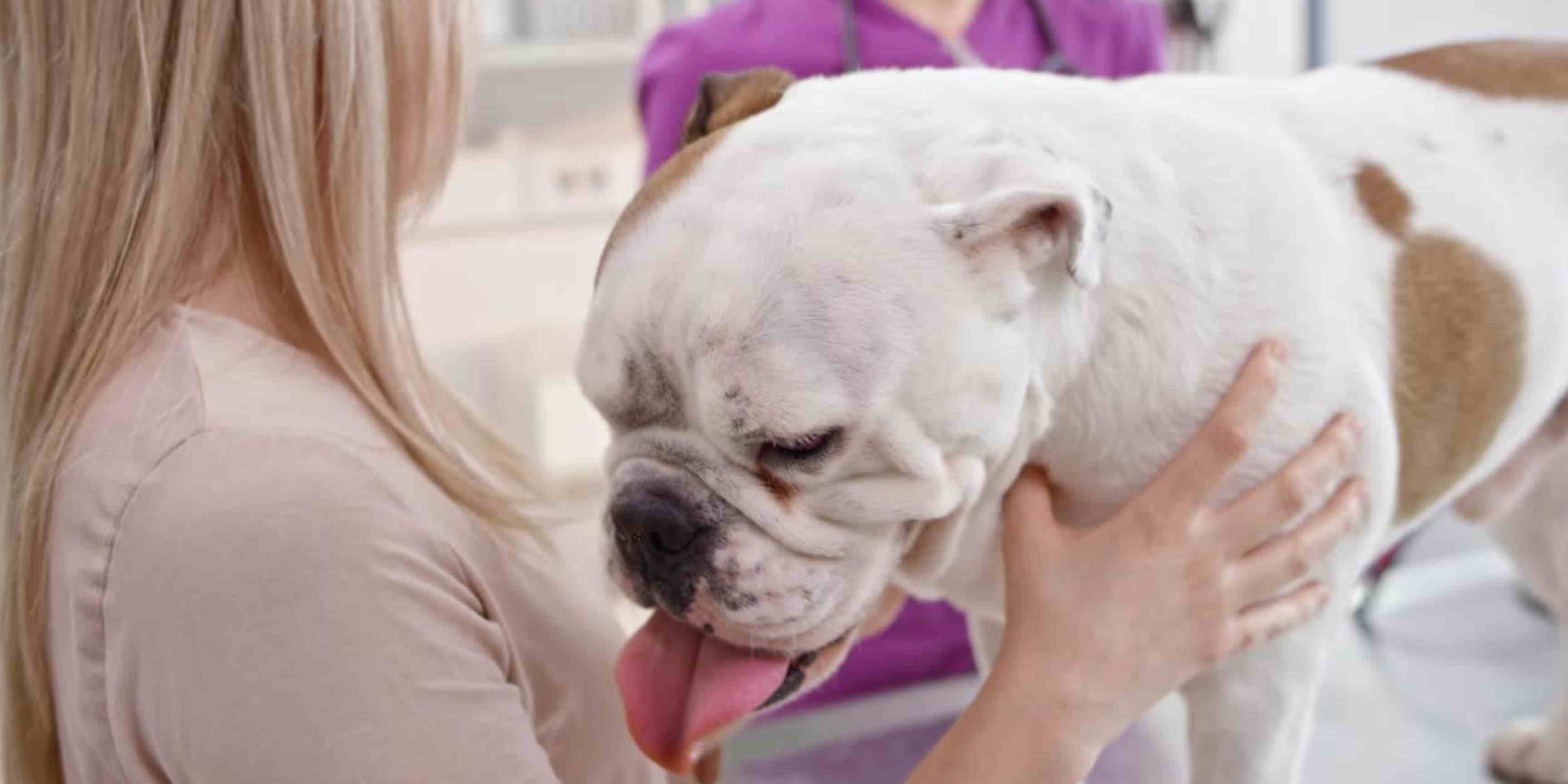
What you need to know about the health of the English Bulldog
Common problems and how to prevent them – for a long and peaceful life with your partner
English bulldogs are a beloved breed, but they are prone to numerous health problems due to their unique conformation and genetic selection.
1. Brachycephalic syndrome: English bulldogs have flat noses and narrow airways, which can cause difficulty breathing, snoring, and intolerance to vigorous exercise.
2. Skin fold dermatitis: The folds on the bulldog’s face and body can retain moisture and dirt, causing irritation and infection.
3. Entropion: A condition in which the eyelids turn inward, causing irritation and injury to the cornea.
4. Keratoconjunctivitis sicca (dry eyes): Insufficient tear production can lead to dry, irritated eyes.
5. Hip and Elbow Dysplasia: Deformations of the hip and elbow joints can cause pain and lameness.
6. Intervertebral disc disease: Problems with the spine can cause severe pain and difficulty moving.
7. Dental problems. Due to the protruding lower jaw, bulldogs can have dental problems such as crowded teeth and tartar buildup.
8. Heart problems. Bulldogs can be prone to various heart conditions, including mitral valve disease.
English bulldogs require special attention when it comes to their health, but with proper care and regular visits to the vet, they can lead a happy and healthy life. By being aware of their specific health problems and managing them proactively, you will be able to ensure that your English Bulldog remains a loyal and healthy companion for many years.
latest posts published
Are heatwaves and heatwaves coming? Here’s how to protect your dog

8 activities your dog will love

Your dog can feel happy! Here’s how:

Dog too rebellious? Here are some causes of this behavior
Basset Hound – The nobleman with long ears and a sweet heart
9 dog breeds suitable for mountain trips

Are you going to work or on holiday? Here’s everything you need to do to leave your dog safely at home

How your pet can help you adopt a healthy lifestyle
An iconic breed, much more than a lap dog