|
Important to know In addition to its beautiful appearance, a dog’s skin has a huge role to play in its overall health: it protects the body from injury and infection, helps control temperature, and acts as a first line of defense; hair insulates the body and protects the skin from trauma and damage caused by heat, sunlight and irritants. A shiny coat is also the most visible sign of overall health. |
Why do these things happen?
Fortunately, the answer to this confusion can be easily identified – here’s what today’s specialists say (in brief):
Naparlirea
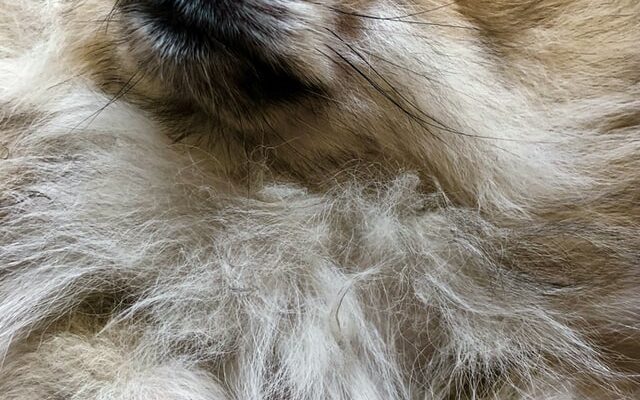
Most dog breeds shed throughout the year. Additionally, some breeds shed more each spring. This seasonality can be quite dramatic for some dogs, so if you’ve noticed your dog’s undercoat getting thicker over the winter, you can expect all of this excess to disappear after a few months. Also pay attention to the skin: inspect it very carefully, as often as possible.
An aid operation at this point?
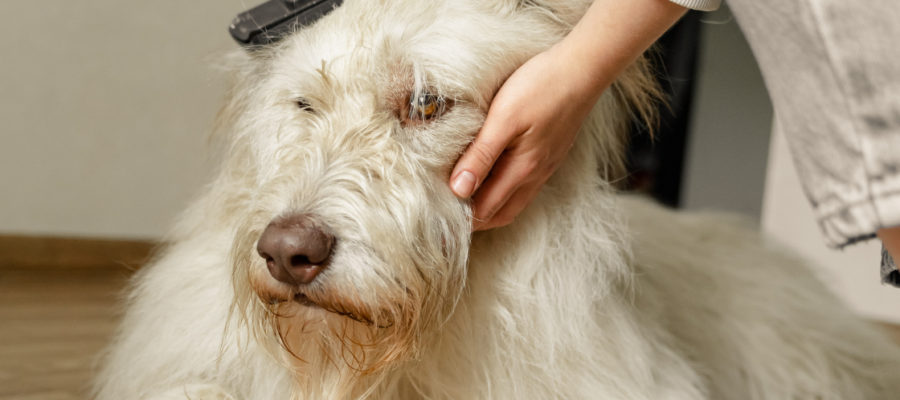
Brushing – can be a great gift for a shedding dog as shedding can cause itching in many dogs. Brushing can also help you keep your home cleaner, especially helpful if you have sensitive or allergic people.
Hormonal changes
Dogs who are about to give birth and are breastfeeding sometimes experience hair loss: the cause is clear: hormonal changes. So this shedding usually stops once the pregnancy and nursing period is over and the puppy’s hormones return to normal (pre-breeding) levels.
Another hormone-related cause of hair loss is hypothyroidism: This causes the body to produce too little of the hormone thyroxine. This can lead to very unattractive hair, bare patches and seborrhea (dandruff). Hypothyroidism usually affects medium to large breed dogs over the age of 4 years.
Allergies
Today, veterinarians showed some data that catches our attention: more than 70% of dog skin disorders, including hair loss, are due to allergies. Allergens that commonly affect skin health include flea bites, food allergies, and environmental allergies such as pollen and mold. Allergies are usually genetic, and finding the cause can be a difficult process (just like in humans).
What should we pay attention to? Allergy symptoms include itchy skin, hot spots, patchy hair loss, chronic itchy ears, gastrointestinal problems, and chronic diarrhea or gas. If your dog suffers from these ailments, talk to your vet about allergy testing as soon as possible. Then, change your diet, as recommended, to eliminate food allergens.
Skin infections
Just like us humans, dogs can get bacterial or fungal skin infections. Bacterial skin infections often begin with damaged (affected) skin from scratching which can occur in many cases or from flea bites. These can cause irritation and… hair loss.
Sometimes pus may form on the red skin: depending on the severity, an antibiotic ointment or oral medication is needed. Sometimes candida (fungal infections) occurs when these fungi (which are always present on the dog’s skin) become excessive. A yeast infection on the skin causes irritation, open sores, and can even lead to hair loss. In this case, skin infections require antifungal creams or oral medications.
Other times, round patches of scaly skin appear in dogs and broken hairs are also visible: ringworm (dermatophytosis). It is a sign of common infections in dogs, cats, and humans (yes, we can contract the disease from each other) and can be treated with antifungal creams or oral medications.
Fleas or mites
Itching caused by fleas and mites can lead to hair loss. Why? Dogs may simply scratch, pull out their hair throughout the day, causing hairless patches on the skin.
So, like a vicious cycle, frequent scratching can lead to destruction of the skin layer, which can cause bacterial and fungal infections, leading to constant hair loss.
Both fleas and mange mites are highly contagious and can spread to other pets and even people in the home. This is no small problem! If you suspect your pet has fleas or mites, talk to your vet as soon as possible.
There are specific medications and special shampoos can help soothe irritated skin.
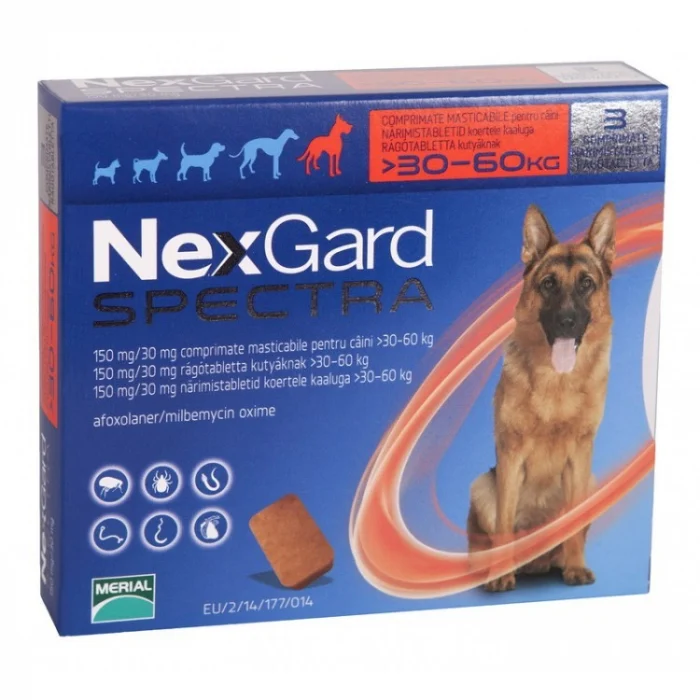
Choose the best internal or external deworming from here!
Raia
Here’s another common cause of hair loss in dogs: mange. This condition is caused by mites called Demodex folliculorum. Most dogs have these tiny creatures on their skin, but a compromised immune system due to stress or an autoimmune disease can cause the mites to multiply uncontrollably, irritating the skin and creating lesions.
Scabies is treatable with medications, but don’t use folk remedies (such as motor oil, petroleum, or other substances that can be very toxic to dogs and are not recommended as treatments for scabies).
Genetics
Unfortunately this factor must also be taken into consideration. Sometimes, it’s natural for our non-talkative friend to develop bald patches as he ages. Greyhounds, Chihuahuas and Dachshunds are all prone to shedding on the external ear, chest, belly, thighs or lower neck area.
What should we do to help our dog?
In short, solving the problems caused by hair loss consists of some indications that we can apply, wherever we are. Provide a healthy diet, introduce salmon oil into your diet, do proper brushing at the correct intervals, salon visits and last but not least… remove dead hair.
Let’s start with things we can do at home
Brushing is more important than I thought
This is such a simple thing! Using a brush can do wonders for your dog’s hair! Why? Your dog’s skin contains natural oils that help keep it hydrated and protected. But that oil doesn’t always get where it needs to go, on the hair. This is where dog brushing comes in: This helps distribute the skin’s natural oils throughout the fur, making your dog’s coat healthier and shinier.
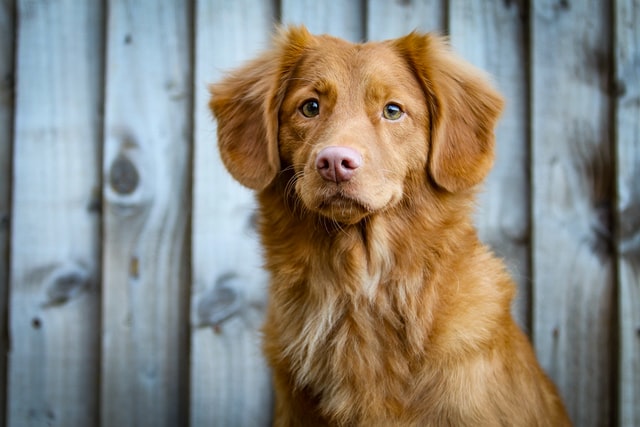
Make this a habit! Only if you brush your dog regularly will you be able to enjoy these benefits I just told you about!
Buy products for the care and hygiene of your dog online on Petmax.ro.
Put a price on a healthy diet
Your dog’s skin and fur make up the largest tissue on his body (although I’ve never seen it that way), making up about 12% of his body weight.
Dog hair contains 95% protein, so it is necessary to provide foods rich in high-quality animal proteins such as chicken, lamb and fish. Therefore, special amino acids are provided that ensure proper nutrition. Dogs use so much energy growing their fur that up to 35% of a dog’s daily protein intake goes towards keeping their coat and skin in tip-top condition.
Omega 6 and omega 3 fatty acids promote the production of oils and waxes, elements that prevent dryness and maintain a healthy and visible coat. Other nutrients important for skin and coat health include vitamins A, C and E, zinc, copper and biotin.
Also, don’t forget to eliminate allergens from food. You can do this by choosing foods that are healthy and free of problematic allergens like wheat, soy, and corn.
Fish oil
Fish oil is one of the best supplements for your dog’s diet. It supports your canine friend’s heart health, supports a silky coat, reduces itching and flaking, and may help relieve allergies and joint pain. It might even help boost your immune system! That’s because fish oil contains omega-3 fatty acids, a type of essential “good” fat that helps your dog’s body and brain. Like humans, dogs cannot produce omega-3 fatty acids on their own and must obtain them from their diet.
Order Dermovital OMEGA 3-6-9 now in the shop, in a box of 300 capsules, at a special price!
The living room
All the right tools and all the skill here: The professionals here have all the right tools needed to make your dog look his best. From different types of clippers and scissors to a fully adjustable dressing table. The salons are equipped with non-toxic, gentle shampoos for dogs with allergies, skin irritations or fleas.
Many dog grooming and grooming experts also know how to groom any style: they have precise attention to detail and know the specific needs of each breed. Just as our clothes require different care, dog hair also requires different solutions. Did you know (in the salon) that the more dead hair removed from your dog, the less you will find on your living room carpet and in your home?
latest posts published
Are heatwaves and heatwaves coming? Here’s how to protect your dog
8 activities your dog will love
Your dog can feel happy! Here’s how:
Dog too rebellious? Here are some causes of this behavior
Basset Hound – The nobleman with long ears and a sweet heart
9 dog breeds suitable for mountain trips

Are you going to work or on holiday? Here’s everything you need to do to leave your dog safely at home

How your pet can help you adopt a healthy lifestyle
An iconic breed, much more than a lap dog