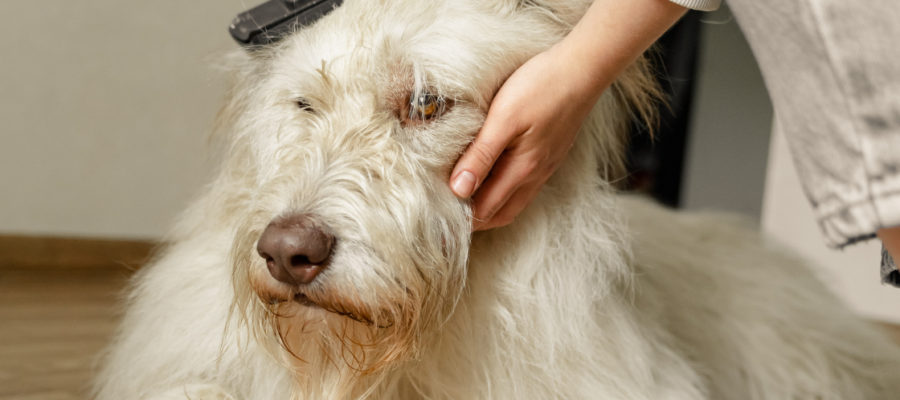

A breed of tradition and elegance: the collie’s journey through time
The Collie dog breed has a history rich and interesting. Native to Scotland and the border area between Scotland and England, the Collie is known for its intelligence, loyalty and ability to work alongside people in a variety of activities, including herding and agility.
Early Collie dogs were used primarily for herding work, helping to herd and maintain flocks of sheep. These dogs have developed over the centuries to become one of the most popular herding breeds in the world.
Over time the Collie also became a beloved family companion, thanks to his affectionate and devoted character. The growing popularity of the breed has led to its diversification into two main types: long-haired Collie and short-haired Collie. Both types have similar traits in terms of temperament and behavior, but differ in physical appearance.
Probably the best-known Collie is Lassie, a novel and film character who brought great attention and popularity to the breed. However, before Lassie’s popularity, the Collie was already a well-liked and respected breed in the dog world.
Today, the Collie remains a beloved breed for both its herding qualities and its qualities as a loyal and affectionate pet.
A devoted friend and a canine genius: what kind of dog is the collie?
The personality of a Collie can vary slightly from one individual to another, but there are some common traits that define this breed.
The collie is one of the most intelligent dog breeds, recognized for its ability to learn quickly and respond well to instructions. This intelligence makes them often used in various activities, such as herding, agility or even animal-assisted therapy.
The Collie is an extremely loyal breed to its family and often develops a strong bond with its owners. They are dogs that want to be close to people and participate in the family’s daily activities.
Collie dogs are often described as affectionate and gentle dogs. They love to give and receive affection and are often good with children and other pets.
They have a natural predisposition to be alert and observant. This characteristic makes them excellent watchdogs or simply attentive observers of the activities around them.
They have a moderate to high energy level and need regular exercise to be happy and healthy. They like to participate in outdoor activities, such as long walks or runs.
Overall the Collie is a wonderful breed, with a balanced personality and traits that make it loved and appreciated in many homes around the world.
Collie – Harmonious silhouette and unforgettable look
The Collie is an elegant and harmonious dog breed, known for beauty it is distinctive. This it is a medium-large sized dog, with a well-proportioned body. Males generally have a height at the withers of around 56-61cm, while females are slightly smaller, with heights between 51-56cm. Weight is generally proportional to the size of the dog, but on average it is between 20 and 34 kilograms.
The Collie’s head is proportionate to the rest of the body and has a slightly elongated shape. The nose is generally black, and the eyes are oval and medium sized, with a sweet and intelligent expression. The ears are of medium size and are held semi-raised when the dog is alert.
One of the most characteristic features of the Collie is its rich and beautiful fur. There are two main types of fur: long hair and short hair. The long-haired coat is silky and straight, thick and longer fur on the chest and legs. Short-haired fur lies closer to the body and has a smooth, shiny appearance. Fur color can be various, including tri-color, bi-color, etc.
The Collie’s tail is of medium length and is carried low or slightly raised when the dog is moving. At rest the tail can be carried slightly raised, but not folded over the back.
The collie has an elegant and graceful silhouette, with fluid and harmonious lines. His body is well muscled, but not heavy, and he has an easy and graceful movement. This is finally ithe is a beautiful and distinguished dog, with an imposing presence and splendid fur, which makes him easy to recognize and admire.
Read the article too Does your dog need more exercise? Find out now
A well-groomed collie is a happy collie: practical advice
Treatment Caring for a Collie involves several aspects, including grooming, hygiene, nutrition and regular exercise.
The Collie’s coat requires regular brushing to maintain a healthy appearance and to prevent matting. If possible, you should brush the coat two to three times a week, and during periods of heavy shedding, you may need to brush more often to remove dead hair. Use a specially designed comb or brush to remove loose hair and tangles.
They do not require frequent bathing, as excessive washing can remove the skin’s natural oils and lead to excessive dryness of the fur. The bathroom should only be administered in case of absolute necessity or in case of excessive dirt. Use a mild shampoo and rinse well to remove all residue.
Check and clean your dog’s ears weekly to prevent earwax buildup and infections. Use a soft cotton pad soaked in a special ear cleaning solution, but avoid inserting hard objects into the ear canal.
Brush your dog’s teeth two to three times a week to prevent tartar buildup and gum disease. Use a toothpaste specially formulated for dogs and a soft toothbrush to remove plaque and food particles.
A balanced and adequate diet is essential for the health and well-being of the Collie. Choose a quality food, suited to your dog’s age, activity level and individual needs. Monitor your weight and body condition and adjust your food intake accordingly.
Collies are energetic dogs and need regular exercise to be happy and healthy. Be sure to provide your dog with adequate exercise opportunities, such as long walks, runs, or outdoor recreational activities.
Check out our article Don’t make these mistakes when caring for your dog’s dental health.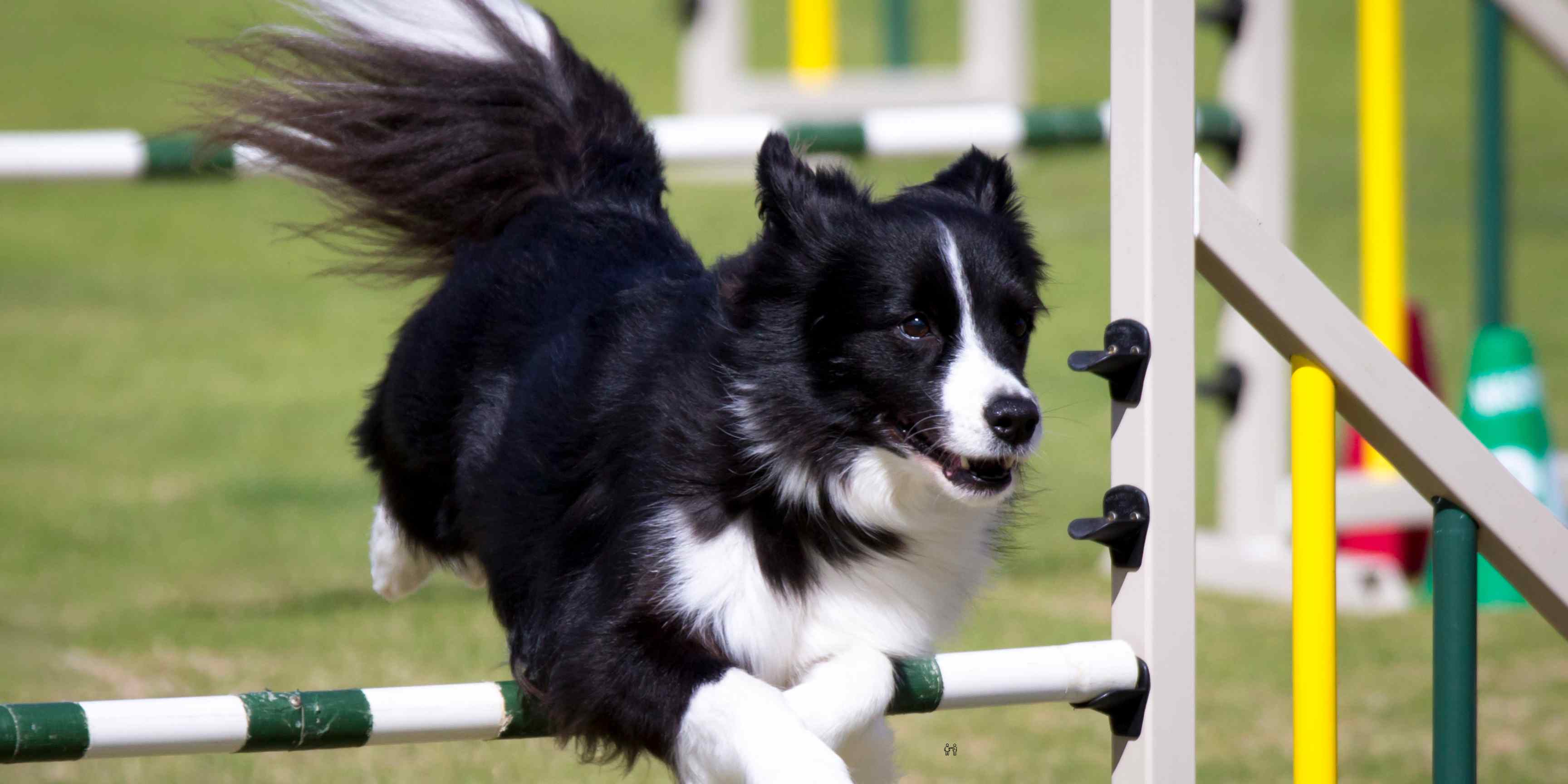
Smile training: Collies learn quickly and with pleasure
Training a Collie can be a rewarding experience because these dogs are very intelligent and receptive to instructions.
- Use positive training methods: Collies respond well to reward-based training and positive encouragement. Use rewards such as treats, favorite toys or praise to encourage desired behavior and strengthen your bond with your dog.
- It is essential to be consistent in applying the rules and instructions.
- Training should start early, from childhood. The earlier you start, the easier it will be to reinforce desired behaviors and prevent unwanted habits from emerging.
- Use clear, short commands to communicate with your Collie. Body language and tone of voice are also important in conveying the meaning of instructions.
- Plan short, regular training sessions to train your Collie on various commands and behaviors. Be patient and consistent during these sessions.
- Make sure the Collie is well socialized, exposing him to different environments, people and animals from an early age. Proper socialization will contribute to the development of balanced and confident behavior in various situations.
- Collies need mental stimulation, such as dog puzzle games or olfactory activities, to keep their minds active and give them the opportunity to use their intelligence.
With patience, consistency and adequate rewards, you can successfully train a Collie and build a strong and harmonious bond with him. Training should be an enjoyable experience for both of you, giving you the chance to enjoy the intelligence and abilities of this wonderful canine companion.
Order the right food for a Collie (or other dog breeds) here.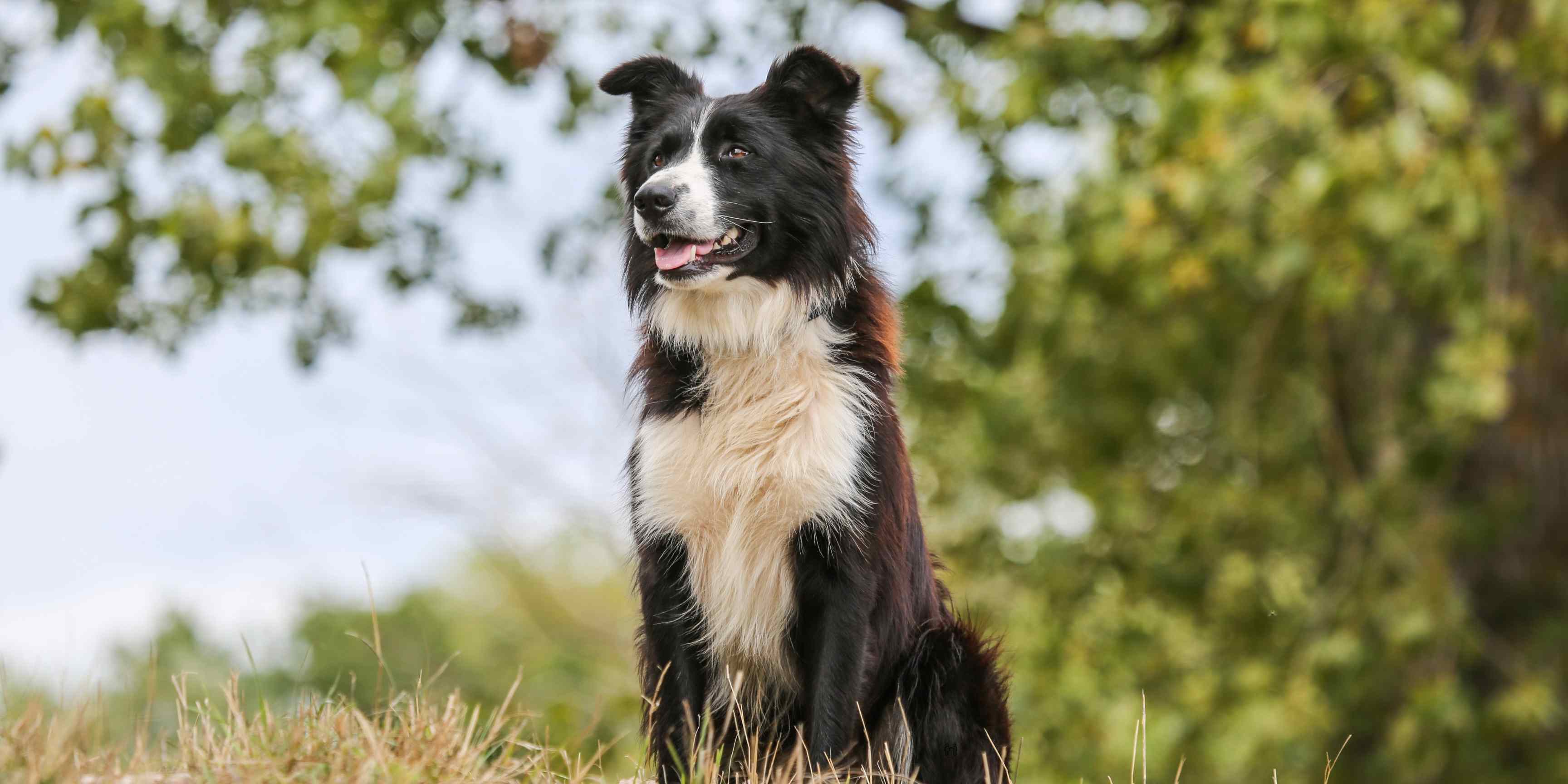
What you need to know for a healthy and lively collie
Health Collie behavior can be influenced by a number of factors, including genetics, proper care and the environment in which it lives.
– Hip dysplasia: Collies can be prone to hip dysplasia, a condition in which the hip joints do not develop properly, causing pain and difficulty moving. It is important that the dog’s parents are tested for this condition before breeding.
– Gastric torsion: This condition, also known as gastric dilatation-torsion, is more common in large and gigantic breeds, but can also affect Collies. It is a veterinary emergency and can be fatal if not treated immediately.
– Addison’s disease: Collies can be prone to Addison’s disease (adrenal cortical insufficiency), a condition in which the adrenal glands do not produce enough hormones. Symptoms include weakness, vomiting, diarrhea and weight loss.
– Collie disease: Although rarely encountered today due to genetic testing, Collies may be predisposed to certain hereditary genetic conditions, such as Collie disease (lack of sensitivity to drugs that act on the central nervous system).
– Eye diseases: Collies can be prone to eye diseases, such as retinal dysplasia and cataracts. Regular eye exams can help detect these problems early.
– Allergies: Collies may be sensitive to certain allergies, such as food allergies or allergies to pollen or other environmental allergens.
To maintain the health of your Collie, it is important to provide him with a balanced diet, regular exercise, regular visits to the vet for preventive examinations and vaccinations, as well as proper hygiene and care. Selecting a responsible breeder and a healthy bloodline can also help reduce the risk of inherited genetic conditions.
See here the right accessories for such a dog (transport cages, harnesses, leashes, toys or beds and cushions)!
latest posts published
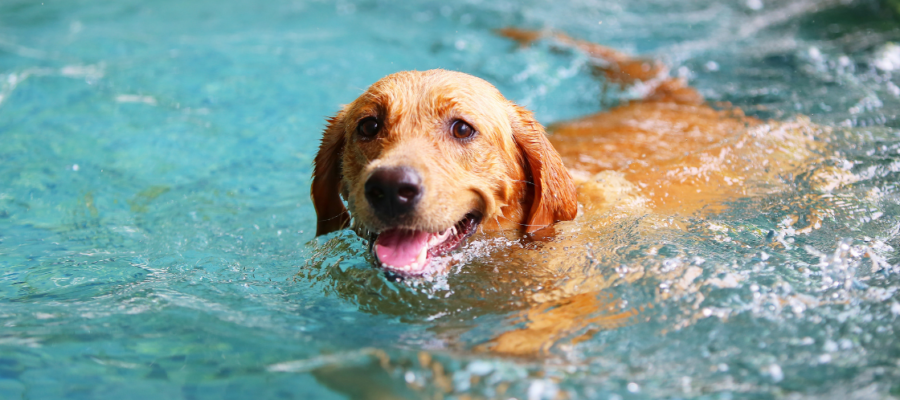
Are heatwaves and heatwaves coming? Here’s how to protect your dog
8 activities your dog will love

Your dog can feel happy! Here’s how:
Dog too rebellious? Here are some causes of this behavior
Basset Hound – The nobleman with long ears and a sweet heart
9 dog breeds suitable for mountain trips

Are you going to work or on holiday? Here’s everything you need to do to leave your dog safely at home

How your pet can help you adopt a healthy lifestyle
An iconic breed, much more than a lap dog