

The way the cat is fed, as well as the quality of the food, are of vital importance for the health of the organism, the main health problems are caused by an incorrect diet. Being a carnivorous animal par excellence, the diet that must be ensured will be based more on animal proteins. Foods of plant origin, although not the basic food, are necessary in the diet of cats to ensure intestinal transit. Meat is not only a source of protein, but it also provides three essential nutrients that cats cannot live without: taurine (an important nutrient for the heart and vision), arachidonic acid (an important nutrient for skin and coat health), and vitamin A (important for fur and vision). However, avoid meat with a high percentage of fat.
Although cats are known to be great lovers of fish, it is not recommended that fish be part of your cat’s daily menu. This happens because fish is rich in fatty acids, which in excess can lead to a deficiency of vitamin E in your cat’s body and, along with this deficiency, health problems also appear. If your cat does not receive enough protein, it will not develop harmoniously, will have an ungroomed-looking coat and will also be prone to infections due to a weakened immune system.
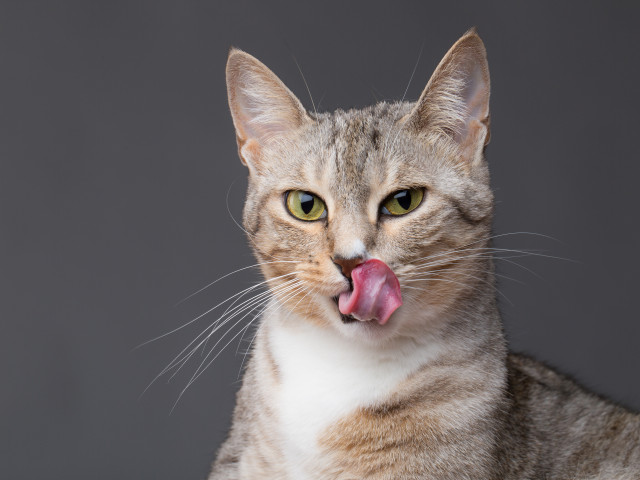
Fatsrepresented by the small units (fatty acids), they provide the fuel necessary to keep the cat active, as well as to isolate and protect its internal organs. Essential fatty acids, such as Omega-3 and Omega-6, are vital to maintaining the health of your cat’s skin and coat and are also an important part of your cat’s diet, especially for the quality and shine of your cat’s coat.
The benefits of carbohydrates (starch and fiber) found in cat foods are not necessarily a fundamental part of your cat’s diet, they are still a source of energy. Additionally, prebiotics (soluble fiber) help maintain gut health, while insoluble fiber supports normal intestinal function and good stool quality. Not all cats need the same energy intake, especially if they do not perform intense activity. Only by consulting your vet will you be able to decide which type of dry food to buy.
The role of mineralsfor example calcium and phosphorusthey are essential for strong, healthy teeth and bones, so your cat’s diet must include the correct amounts of each. Especially when your furry cat is pregnant or has kittens, the role of minerals is very important. Sodium, chlorides, magnesium and potassium, as well as zinc, copper and iron, are also important minerals in the cat’s diet. A complete, good quality cat food will provide the necessary mineral intake.
Vitamins they are necessary for cats, in small quantities, because they help them grow and see normally, maintain healthy skin and fur, as well as maintaining the health of the nervous system. Vitamins are also involved in the metabolism of fats, proteins and carbohydrates, and vitamins C and E are also important as antioxidants. The fat-soluble vitamins (A, D, E and K) are deposited in the cat’s adipose tissues, while the water-soluble vitamins (B and C complex) are not deposited in the body, but are transferred into the urine.
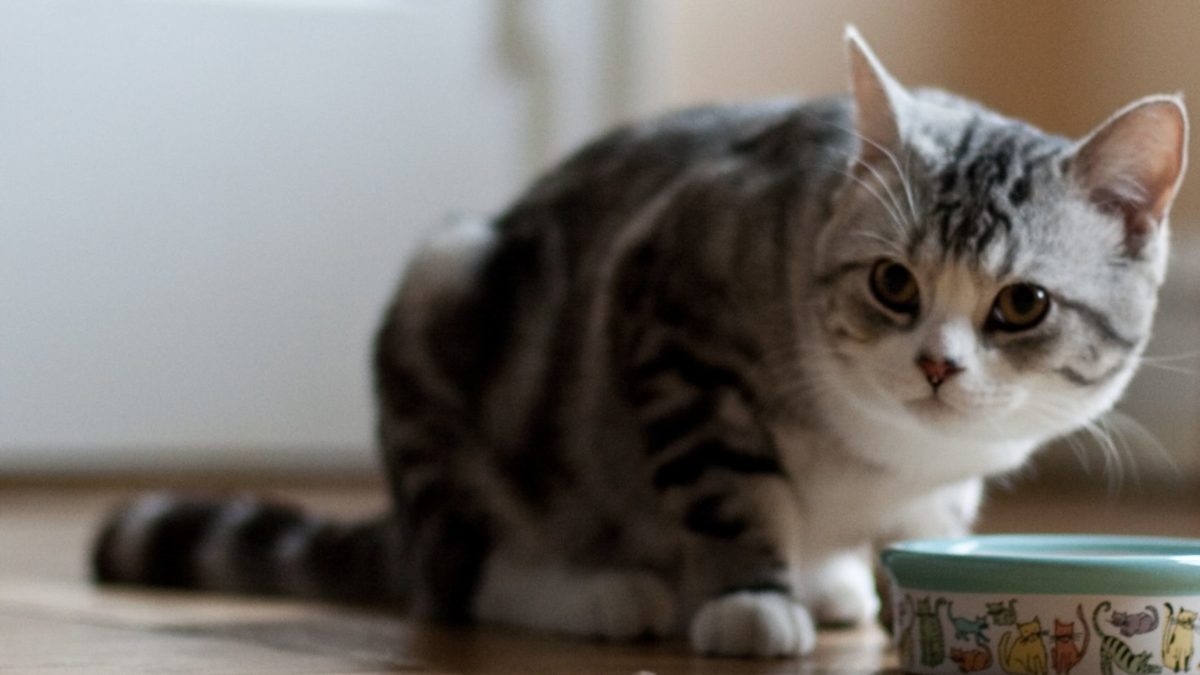
The benefits of proteins there are many of them in the diet of cats. Because they cannot produce these basic building blocks in their bodies, they rely on essential amino acids in the diet. The proteins present in complete cat foods, represented by meat and fish, must contain all the essential amino acids in the formation and maintenance of healthy muscles, but also in the maintenance of a healthy coat. At the same time, proteins are also a key element for the immune system of cats. If the cat does not receive enough protein, it will not develop harmoniously, will have an ungroomed-looking coat and will also be prone to infections due to a weakened immune system.
The importance of water It undoubtedly has an indisputable role in the nutrition of cats. There is a risk of cats developing bladder problems and cystitis if they don’t drink enough water. Therefore, make sure your cat has access to clean, fresh water throughout the day.
You’ve probably noticed that your cat likes to drink water from unusual sources, such as the tap or shower, but these should not replace a constant, accessible source of fresh, clean water. The water bowl should be positioned not far from the food bowl, when possible, and away from the litter box. If you notice that your cat has suddenly started drinking water from unusual places, this may mean that he has a health problem that is causing him to be excessively thirsty, so it is a good idea to contact your vet.
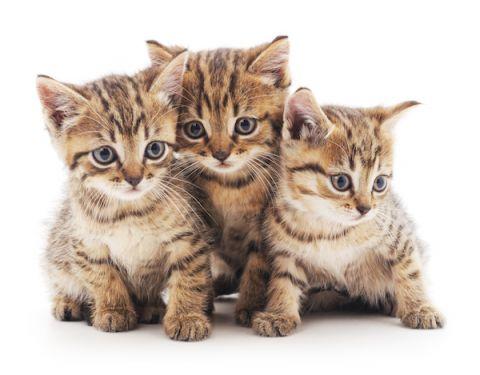
Foods in the human diet prohibited for cats:
-Meat Fat, Garlic/Onion, Coconut Milk, Alcohol, Coffee and Tea, Grapes/Raisins, Avocado, Seeds, Raw Fish, Raw Bread Dough, Nuts, Chocolate, Bones of any kind, Milk, Chives, Candy/Chewing Gum, Artificial Sweetener.
-Many cats are lactose intolerant, so dairy products should be offered with caution and in small quantities.
-The dairy products that cats can eat are hard cheeses – cheddar, gouda, emmentaler, low lactose cheeses – ricotta, yogurt – plain, skimmed.
Now that you know what a cat eats, it’s important to know how much food you should give it. It is very important to know what the cat eats, but it is also essential to know how the daily amount of food is determined. The amount of food you can give a cat depends on its breed, its activity level, but also its lifestyle. It’s a good idea to follow the cat feeding instructions on the package, but remember that they are approximate. The amount required will vary from one cat to another, depending on size or activity level.
More precisely, a kitten aged between 4 and 12 months, once weaned, consumes a maximum of 4 meals a day. A daily quantity of 65-100 grams of dry food or a quantity of 170-225 grams of wet food is recommended.
On the other hand, an adult cat over 12 months of age consumes only two meals a day, possibly accompanied by rewards.
latest posts published

Are heatwaves and heatwaves coming? Here’s how to protect your dog

8 activities your dog will love

Your dog can feel happy! Here’s how:

Dog too rebellious? Here are some causes of this behavior

Basset Hound – The nobleman with long ears and a sweet heart

9 dog breeds suitable for mountain trips

Are you going to work or on holiday? Here’s everything you need to do to leave your dog safely at home

How your pet can help you adopt a healthy lifestyle

An iconic breed, much more than a lap dog