
- Supercharging
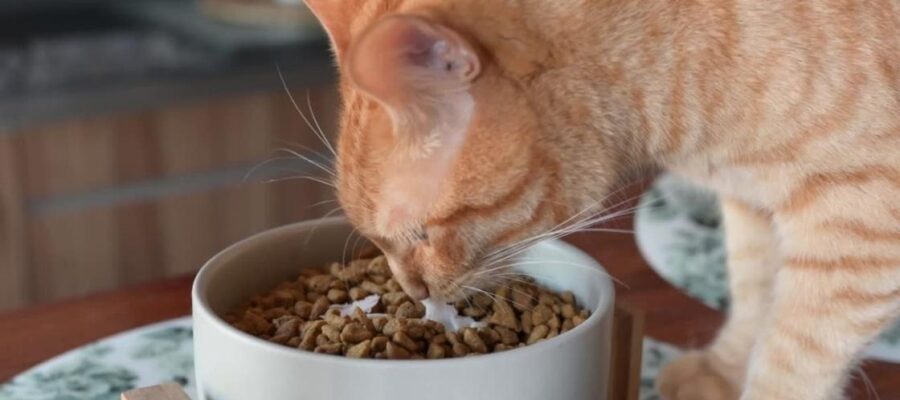
One of the most common mistakes owners make is to overfeed their cats. These animals tend to eat until they are full, which is why owners may be tempted to offer large portions of food each day. This commonly observed practice often leads to obesity, which can have serious consequences for the cat’s health.
Tip: Consult your veterinarian to determine the correct food portions based on your cat’s age, weight and activity level. Follow these instructions scrupulously and do not exaggerate with the portions. And don’t forget the treats or treats for the kittens, either! We all love to treat our furballs with love, but these snacks can add to the mod hidden AND quick extra calories.
- Choosing the wrong food
Another important aspect is choosing the right food for the cat at home. Many owners are confused about what type of food to provide. Some people prefer dry food to wet food or vice versa. Each type of food has its advantages and disadvantages and the diet must be adapted to the individual needs of the cat. The cat’s diet should meet all nutritional needs, such as vitamins and minerals. Very often, homemade cat food does not provide an adequate calcium-phosphorus ratio or can create vitamin deficiencies.
How about a vegetarian (or vegan) diet?
Cats are carnivores: they evolved to eat meat. I cannot live on a vegetarian diet because some nutrients found in meat cannot be replaced by a plant-based diet. For example, taurine, an amino acid important for heart health, vision and overall health, is found only in animal tissues.
To maintain a vegetarian diet for cats, you should take great care to replenish all the nutrients that the cat would get from its natural food. Most veterinarians strongly encourage cat owners to feed their pets a well-balanced meat-based diet that will provide cats with enough nutrients they need to thrive.
Tip: Speak (again) to your vet to guide you in choosing the right food for your cat at home – or seek expert advice at the Petmax store – order cat food from here. Consider your cat’s age, health and preferences before making a choice.
- Lack of fresh water
Fresh, accessible water is essential for your cat’s health. Many owners tend to not provide enough water or let the water become dirty and unhealthy. Dehydration can be dangerous for cats and can lead to kidney problems and other conditions.
Tip: Make sure your cat always has access to fresh, clean water. Change the water daily and make sure the water bowl is placed in an easily accessible place. And no, milk is not the best drink: let’s not forget that after maturation the cat’s body can no longer digest the lactose in milk.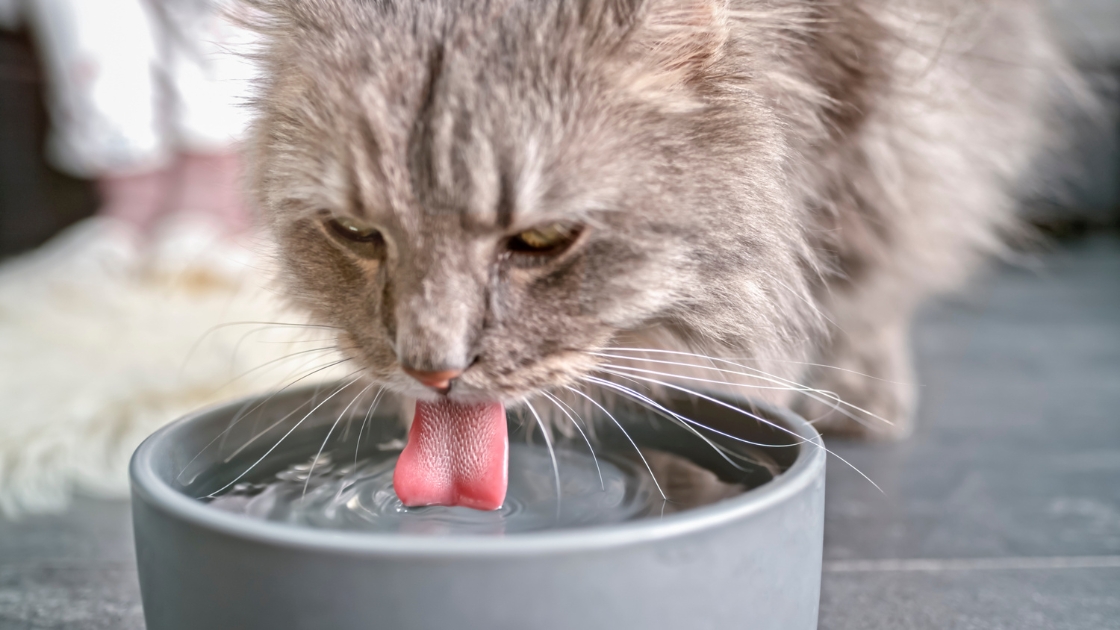
You can also find more useful information in our blog post with the title Brief guide for correct cat nutrition.
- Feeding forbidden food
Unfortunately, some foods are toxic to cats and can cause serious health problems. For example, chocolate, onions, garlic and some herbs can be extremely dangerous for cats. Owners often make the mistake of feeding the little feline forbidden food, either out of ignorance or a desire to spoil him. Milk is commonly given to cats as most seem to love it. However, most cats are actually lactose intolerant and therefore can suffer from numerous stomach problems after drinking milk. Of course, this isn’t always the case, but there’s no way to know whether your cat is lactose intolerant or not without giving him milk and risking getting sick.
Chocolate and other sweets should be avoided because they contain methylxanthine, a toxic substance for both cats and dogs. Finally, some people believe that adding garlic to their cat’s diet protects them from intestinal parasites. Unfortunately, nothing proves this scientifically. In contrast, high doses of garlic, such as onions, are associated with the destruction of erythrocytes, which can lead to anemia.
Tip: Be aware of foods that are prohibited for cats and avoid giving them such foods. If you are unsure about a particular food, consult your vet before giving it to your cat.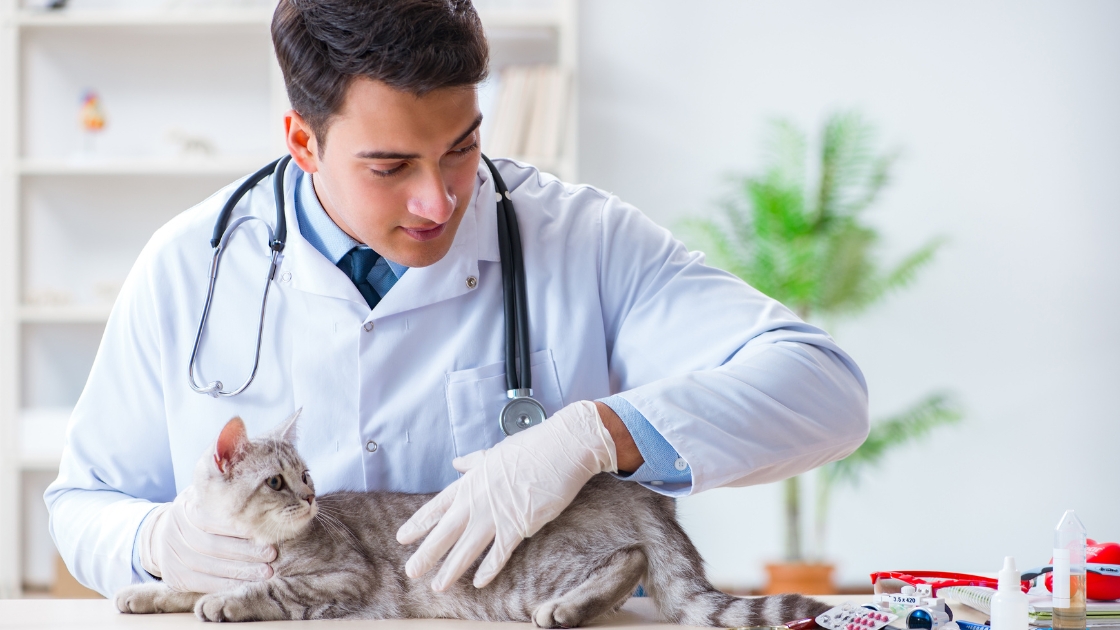
Do your cat’s problems seem never-ending? Here are the solutions, on the Petmax blog.
- Ignore the cat’s specific needs
Each cat has individual nutritional needs. Some cats may have food allergies or sensitivities, and ignoring these needs can lead to digestive problems and other ailments.
Tip: Carefully observe your cat’s reactions to certain foods and consult your vet if you notice any symptoms of food allergies or intolerances. Opt for the right food and avoid foods that can cause health problems.
In conclusion, feeding cats is an important responsibility and must be approached with care and always up-to-date knowledge. Avoiding common mistakes like overfeeding, choosing the wrong food, and ignoring your cat’s specific needs can help maintain their health and well-being. Be aware of your cat’s individual needs and always consult specialists for personalized advice and recommendations.
If you are worried about hair loss in dogs or cats, this material can help you!
latest posts published
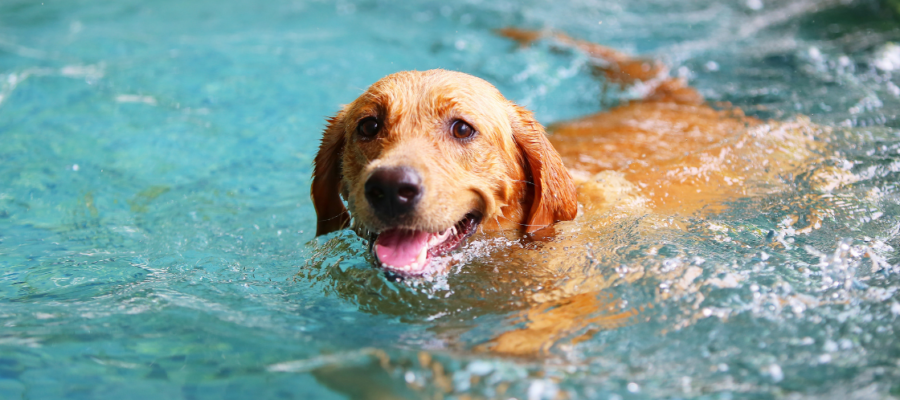
Are heatwaves and heatwaves coming? Here’s how to protect your dog

8 activities your dog will love

Your dog can feel happy! Here’s how:

Dog too rebellious? Here are some causes of this behavior

Basset Hound – The nobleman with long ears and a sweet heart

9 dog breeds suitable for mountain trips

Are you going to work or on holiday? Here’s everything you need to do to leave your dog safely at home

How your pet can help you adopt a healthy lifestyle

An iconic breed, much more than a lap dog