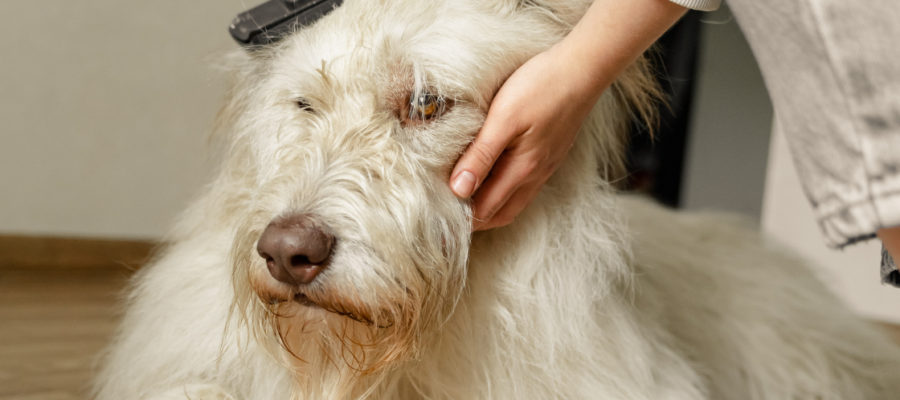

Animals can experience bodily imbalances just like humans. Weight gain and lack of exercise have a negative impact on the body. In today’s article we will address the 4 weight categories, the problem of obesity, how it can be prevented and managed. Excess or poor quality nutrition, lack of physical exercise and hormonal problems are the cause of the excessive accumulation of adipose tissue.
Evaluation of your pet’s health.
The dog’s health status can be assessed through daily observation. Any abnormal manifestation must be managed with care and responsibility. If you do not have basic medical knowledge, we recommend contacting the veterinarian you work with.
You can later find out what they are 4 weight categories (undernourished, normal, overweight or obese) and the characteristics of each:
A malnourished dog has the following characteristics:
- The ribs, lumbar vertebrae and pelvic bones are prominent and visible from afar
- The ribs can be easily palpated
- Lack of body fat and muscle mass
- The waist is evident and the abdomen retracted
It can be easily observed when the animal has a normal body weight. As:
- The ribs are covered with a thin layer of fat and are easily felt
- The size of the abdomen is normal and its line is harmoniously framed
- The waist is easily visible when the animal is viewed from above
An overweight dog has some characteristics such as:

- The ribs are covered in a thicker layer of fat and may be more difficult to palpate
- Noteworthy is the deposition of adipose tissue in the lumbar area and at the base of the tail.
- Life is difficult to detect
The obese dog has heavy movements, lacks vitality and breathes with difficulty. In addition to these there are other characteristics of the body:
- The ribs are difficult to palpate because the layer of fat is considerable
- The waist is absent and the abdomen shows distention (dilation)
- It presents an excessive deposition of adipose tissue in the chest area, the spine, at the base of the tail, in the neck and limbs area. The abdomen has an abnormal size.
Most of the time weight monitoring is ignored so much so that unpleasant situations arise in which the animal is found to be overweight, even obese.
It is advisable to periodically monitor weight and take into account the following aspects: if the animal has suffered from any illness, its diet has been changed or supplementation with vitamins and minerals has been necessary.
Causes of malnutrition or obesity
Malnourished animals usually they are the ones who are abandoned or live on the streets. However, there are people who mistreat animals by keeping them confined and depriving them of food or water. IIn these cases we can turn to non-governmental organizations that aim to protect animals and their rights.
An obese dog is one that has received too much food, suffers from diseases or hormonal imbalances that have led to weight gain. However, it is important to understand that regardless of body ailments, weight is determined by the amount of food received and the level of physical activity.
An adult, overweight or obese dog is most likely an animal fed in excess, perhaps with poor quality food. Veterinarians recommend paying attention to the choice of pet food. The more grains or legumes it contains, the more difficult it will be for the digestive system to process food. As a result, the body stores excess energy in the form of fat and its elimination becomes difficult in the absence of prolonged physical effort. An overweight or obese dog will suffer from digestive system problems such as constipation or excessive gas production. It is possible that your dog will develop vitamin and mineral deficiencies in the future.
Choose a food that contains quality protein and offers nutritional benefits. Optimal protein comes from meat, organs, fish and eggs. A feed that has animal proteins as its basic ingredient will help the animal maintain a normal weight.
Physical exercise adapted to the dog’s needs

People’s habits also influence pets. The more the animal’s need for physical exercise is destroyed, the more sedentary it will become. When creating an exercise program it is necessary to take into account the breed of the animal, its personality and any diseases. In principle, the dog gains weight because it eats more calories than it burns. To combat this, your dog needs to exercise daily. Start with 30 minutes of exercise and adapt it based on your pet’s needs. If your dog is already overweight or obese, create a progressive plan that includes physical activity, easy walking or running. Add a few extra minutes each day to help your pet’s body burn more calories.
Problems an obese dog can face
Weight control is vital to your pet’s quality of life. Obesity is a serious problem that negatively affects its existence because it can cause suffering, immobilizing the animal and preventing it from satisfying its primary needs. Excess weight affects an animal’s ability to perform certain otherwise natural activities, such as moving short distances.
Weight gain can cause serious health problems and aggravate existing ones, which can lead to loss of life. The most common diseases that affect overweight animals are: diabetes, respiratory failure, high blood pressure, various types of cancer.
Ensure a healthy diet and optimal level of activity to help the pet maintain a normal weight.

Additionally, you can always contact your vet if you have questions about your dog’s weight or if you can’t figure out if it’s within normal ranges. He will be able to make an assessment of your general health.
latest posts published
Are heatwaves and heatwaves coming? Here’s how to protect your dog
8 activities your dog will love
Your dog can feel happy! Here’s how:
Dog too rebellious? Here are some causes of this behavior
Basset Hound – The nobleman with long ears and a sweet heart
9 dog breeds suitable for mountain trips

Are you going to work or on holiday? Here’s everything you need to do to leave your dog safely at home

How your pet can help you adopt a healthy lifestyle
An iconic breed, much more than a lap dog