The importance of dental health in dogs
Dental health is an essential pillar of a dog’s overall well-being. Problems such as plaque, tartar, gingivitis and periodontal disease can lead not only to discomfort and pain, but also to serious complications, from tooth loss to infections that can affect the heart, liver or kidneys.
Studies show that up to 80% of dogs develop signs of periodontal disease by the age of 2-4 years (see VCA Hospitals). Shouldn’t these numbers alarm us?
How diet affects your dog’s teeth and gums
Does it really matter what our pets eat? Let’s see what impact nutrition has on your quadruped’s teeth:
Dry food vs wet food
- Dry food (kibble) has the function of mechanically “brushing” the surfaces of the teeth when the dog chews. This reduces the build-up of bacterial plaque and tartar. Don’t forget either prizes, which can be both tasty and good for the teethI.
- Wet food, while it may be more palatable, tends to stick to the teeth more easily and, if not fully fermented by saliva, can encourage the growth of bacteria that cause dental problems.
Ingredients that make the difference
- Calcium chelators (e.g. calcium carbonate) – can help inhibit the crystallisation of plaque into tartar.
- Phosphoric acid or other acids – can help lower the pH level in the mouth, preventing the growth of some bacteria.
- Antioxidants and plant extracts (e.g. green tea extract, papain) can help reduce gum inflammation and plaque.
Management of calorie intake
A diet that is too high in calories can lead to obesity, which in turn increases the risk of general damage, including damage to the teeth, for example by decreasing the dog’s spontaneous hygiene and motivation to chew dental products.
Other foods and habits that negatively affect dental health
- Sugar, honey or syrups: all of these excessively stimulate tooth decay bacteria; therefore, they are completely not recommended.
- Leftovers rich in carbohydrates (bread, pasta, rice): can create an environment conducive to fermentation, acidification and possibly tooth decay or plaque.
- Pieces of bone (small, sharp bones): These can cause tooth fractures or damage to the gums. They are not recommended!
The blog article may also be useful to you Is your dog hungry? Here are 10 signs you need to know.
Essential elements for dog oral hygiene
In addition to nutrition, oral hygiene is also equally important. Here’s what shouldn’t be missing from your grooming arsenal as a puppy parent:
a) Toothbrushes and toothpastes for dogs
b) Dental bones and chew toys
- Models such as those filled with paste, hard tissue, sturdy rubber toys with abrasive texture are great for mechanical teeth cleaning and gum stimulation.
- They are recommended for dogs with a low level of obesity and for those who need constant dental stimulation.
c) Sprays and hygienic solutions
- There are sprayable solutions that reduce plaque and unpleasant odors. They are useful in the short term, complementary to brushing. Choose Dentican, with a 43% discount!
d) Dental discs and wipes
- Special wipes that can be used daily to reduce plaque and give extra freshness, especially when it is not possible to brush your teeth daily.

Product recommendations
Here’s where you can find a full selection of dog food and accessories at PetMax:
- Dog food and accessories – visit Petmax.ro/hranaaccesorii-caini for a varied range of foods formulated for good dental health, kibble specially made for mechanical cleaning, supplements and useful accessories.
- Oral hygiene for puppies – access Petmax.ro/igienacatel and discover toothpastes, toothbrushes, sprays, dental toys and more essential for maintaining oral health.
Check out our article How to prevent nutritional deficiencies in canine diets.
Concrete plan for an effective diet + dental routine
Keep these steps in mind to ensure you don’t skip any steps:
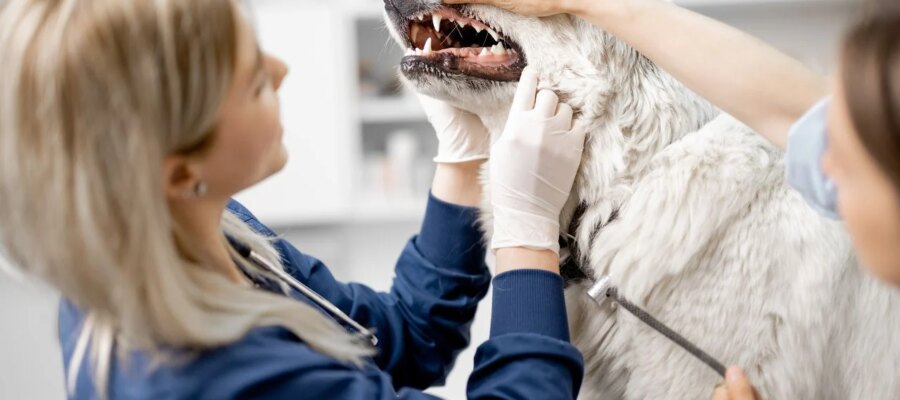
- Annual veterinary assessment – a dental exam will clearly show you the level of tartar, possible infections and the need for a professional cleaning.
- Gradually introduce dental kibble: If you only use wet food, start by alternating a few dental kibble each day, gradually increasing the frequency.
- Daily brushing – preferably in the morning after breakfast. If this is not possible every day, at least 3 times a week.
- After brushing, use a dental spray or dental floss to add freshness and further reduce plaque.
- Daily Teething Toy: Provides a toy that encourages chewing, alternatively with a chew supplement.
- Regular checkups: Pay attention to breathing, red or bleeding gums, visible tartar buildup. Any signs require veterinary intervention.
Don’t forget!
If your dog has undergone dental work, it is essential to follow the care instructions provided by your veterinarian (administration of medications, dietary adjustments and limitation of certain activities – for a complete and rapid recovery).
Ignoring post-procedure care instructions leads to complications such as infection, prolonged pain, and slow healing. This can worsen the dog’s condition and cause further stress and discomfort. 
Conclusion
A balanced diet with the right proportion of dry and wet food, quality ingredients and calorie control, together with an established oral hygiene routine (brushing, toys, solutions), creates the conditions for long-term healthy teeth. Invest in your puppy’s oral health now: healthy teeth mean a happier and more active life!
Read the article too 10 reasons why pets gain weight without realizing it.
latest posts published
Are heatwaves and heatwaves coming? Here’s how to protect your dog

8 activities your dog will love

Your dog can feel happy! Here’s how:

Dog too rebellious? Here are some causes of this behavior

Basset Hound – The nobleman with long ears and a sweet heart

9 dog breeds suitable for mountain trips

Are you going to work or on holiday? Here’s everything you need to do to leave your dog safely at home

How your pet can help you adopt a healthy lifestyle
An iconic breed, much more than a lap dog