

If we love our cat, we must enjoy its positive aspects and at the same time learn to manage its negative manifestations. Above all, we must recognize the psycho-emotional characteristics of the cat.
In addition to the care provided and the satisfaction of basic needs (food, shelter and medical care), we must keep in mind that for thousands of years these animals have developed some characteristics that have helped them survive in the wild. A cat’s psychological need is to chase, smell and hunt prey. Satisfying the need for physical exercise does not automatically mean satisfying psychological and emotional needs.
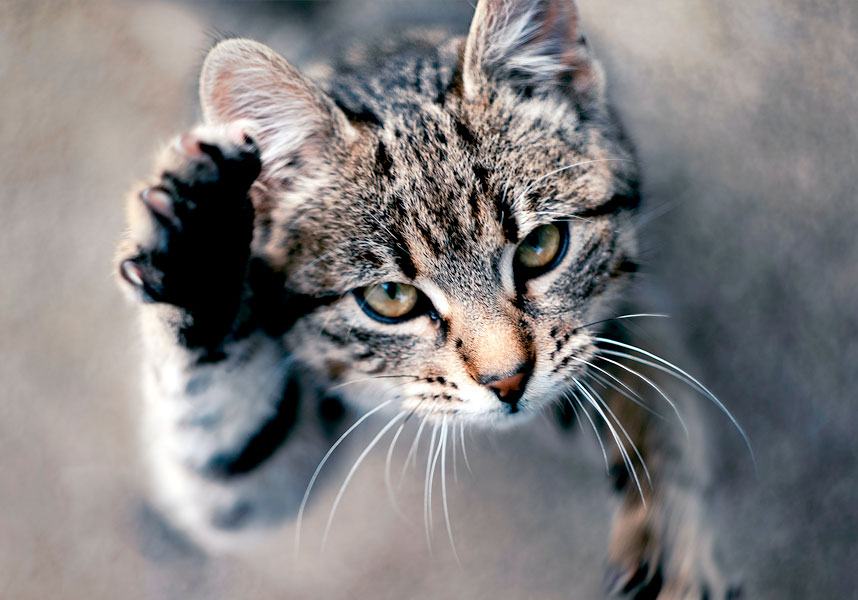
It is advisable to keep in mind that cat needs are different and similar to human ones. Simply satisfying basic needs such as food or shelter does not guarantee the animal’s long-term happiness and well-being. That’s why it’s important to consider your cat’s need to hunt and identify ways to satisfy this natural tendency.
You must have faced several incidents where the cat scratched or bitten you. It must be understood that biting is a natural behavior for a cat, but there are limits and the animal must be educated in this sense. Cat breeders often face this dilemma: how should I behave and what should I do so that the cat does not bite my hands or scratch my legs? Just because these animals act instinctively by biting or scratching doesn’t mean we have to tolerate these manifestations. So how can we create a hunting frame for the cat without becoming victims of its claws and sharp teeth?
Below I have prepared a list of effective and easy-to-apply tips so that your cat receives the right stimulation, satisfaction and at the same time abandons aggressive tendencies towards you:
1. Don’t use your hand when playing with the cat
A moving object will always stimulate the cat’s attention. It won’t tell the difference between a game and… your fingers. Therefore, avoid using your fingers when playing with your cat. This will be stimulated to bite and scratch. A basic rule for training your cat well – do not pet the cat, especially in the abdomen area, if it is ready to play. It will awaken its prey instinct and bite or scratch.
2. Toys that move
You will surely have noticed the cat’s attitude when it rests or sleeps. His senses are active and any movement or noise attracts his attention. Let’s take an example from nature: how do lions manifest themselves in these situations? In these cases the animals prepare for potential prey, sit in the panda position and their pupils dilate so that every indication is perceived in real time. Have you noticed these symptoms in your cat? Certainly. Added to these are the movement of the hind legs and the orientation of the body: all these behaviors are determined by the secretion of adrenaline in the body. We can therefore understand why in a moment of relaxation and peace the cat can attack a “potential prey”.
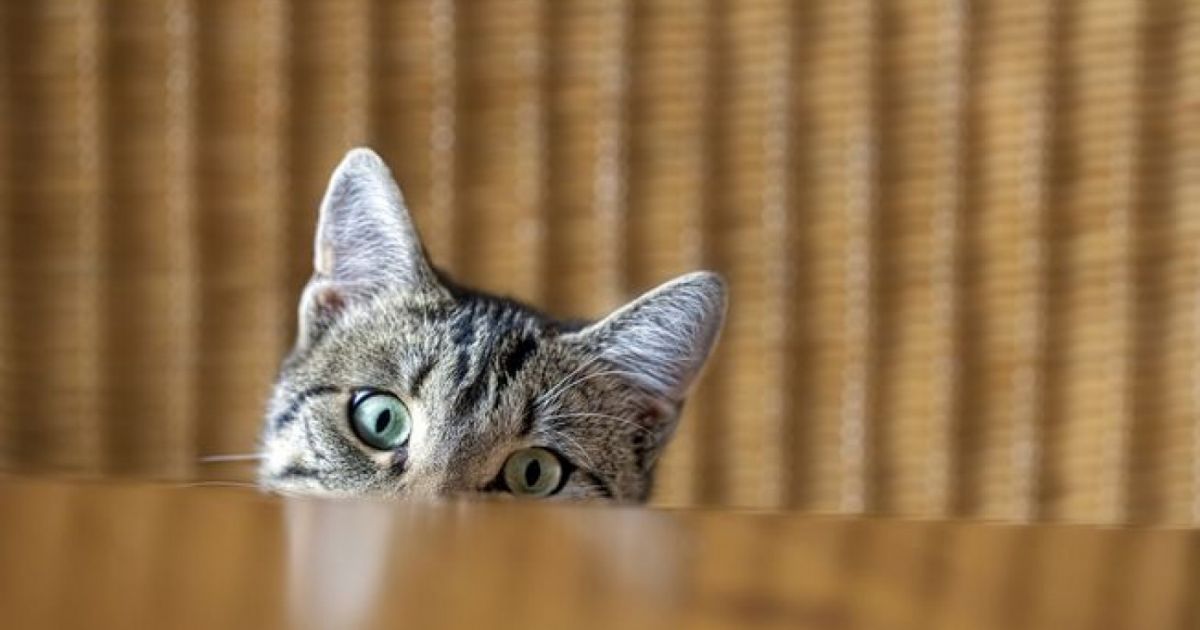
Panda and chasing a moving object will help your cat feel happy. This activity will train the hunting instinct and satisfy his psycho-emotional need. Therefore, buy curls for your cat with feathers, tassels or various other details that are light and attract his attention. In this sense we recommend a series of game episodes in which you can interact with the cat and stimulate its hunting instinct. From 4 weeks the cat develops this instinct, so a play session is always welcome.
3. Use different types of toys
If your cat bites or scratches, you need to offer him another stimulus to shift his attention. The animal will not understand if it is scolded or punished and attracting attention is the only sure way to avoid aggressive displays. There are different types of toys that cats like: balls, fishing rods with feathers or balls at the top, objects with various fillings (paper, balls, etc.).
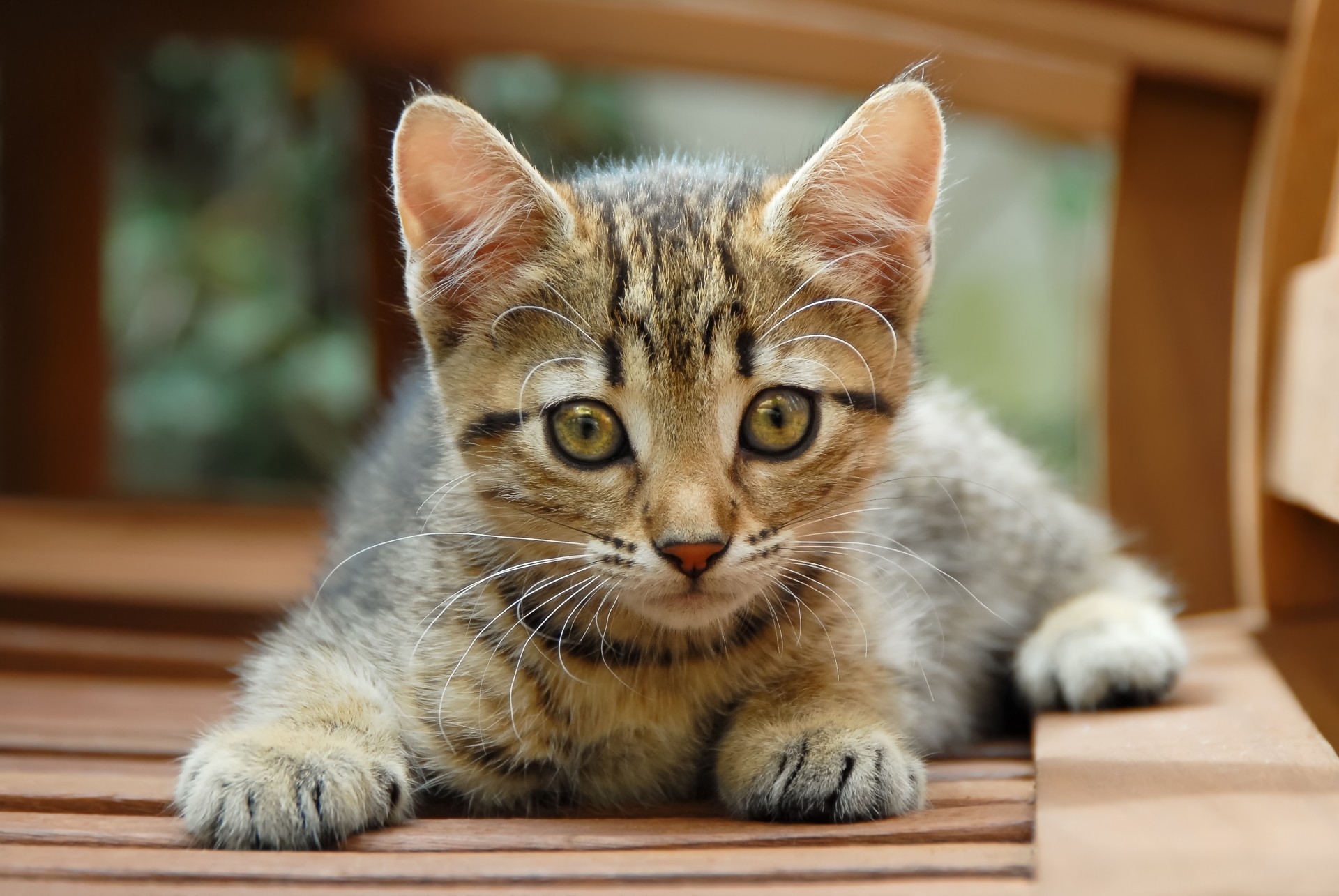
Observe your cat’s reaction when you offer him a new toy. Allow the animal to express itself naturally and take its preferences into account. This way you will be able to communicate with her easily and you will have the opportunity to understand more about her personality. The conclusion is simple: play with your cat and choose objects that arouse his interest.
4. Avoid teasing the cat with the toy
During play, it is normal to offer the cat gradual access to the toy in order to attract its attention and allow it to prepare for the attack, but it will be frustrating not to offer the satisfaction of the prey. The only way to feel psychologically satisfied is to receive its reward at the end. For example, you can use a fishing rod with feathers or a ball to capture the animal’s attention, but at some point it will be necessary to allow him to “catch” the toy.
There are several techniques for playing with your pet without being bitten or scratched. The cat is a natural predator and any detail that resembles potential prey arouses its interest. The game offers statistics for both you and the cat, but it is advisable to set some healthy limits to fully enjoy this experience.
latest posts published

Are heatwaves and heatwaves coming? Here’s how to protect your dog

8 activities your dog will love

Your dog can feel happy! Here’s how:

Dog too rebellious? Here are some causes of this behavior

Basset Hound – The nobleman with long ears and a sweet heart

9 dog breeds suitable for mountain trips

Are you going to work or on holiday? Here’s everything you need to do to leave your dog safely at home

How your pet can help you adopt a healthy lifestyle

An iconic breed, much more than a lap dog