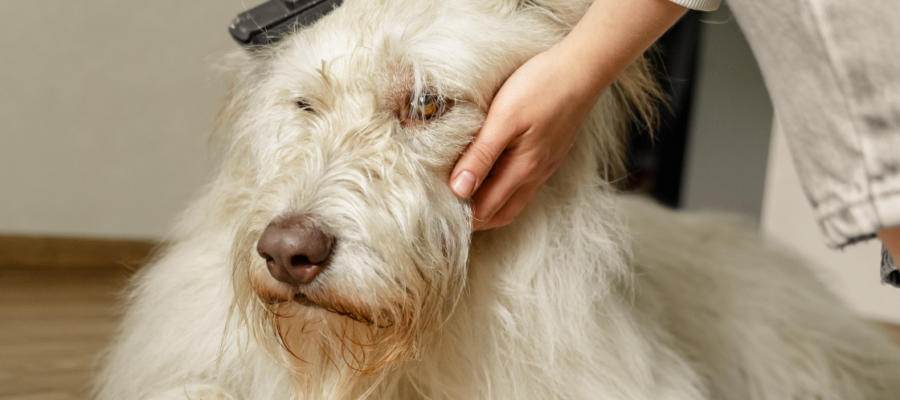

Pets are an integral part of our lives and, just like us, they can experience stress in different circumstances. It’s important to pay attention to stress signals from some dogs and cats, because a stressed pet can develop health and behavioral problems. In this article, we’ll explore how to spot these symptoms and find out what steps you can take to help your partner better manage their anxiety.
Signs of Stress in Cats:
1. Excessive fur licking: Cats often groom their fur (with their tongue) to relax, but excessive licking may indicate stress or discomfort.
2. Excessive hiding: If your cat starts hiding in unusual places or avoiding social contact, it could be a sign of stress. Don’t delay action!
3. Changes in hygiene behavior: A stressed cat may neglect his personal hygiene, giving up licking his fur or the correct cleaning I just talked about.
4. Territory marking: Excessive urine marking can be a sign of stress, especially in cats trying to define their personal space.
5. Unusual Aggression: Cats can become aggressive when stressed. This can be directed at other pets as well as humans.
How to help a stressed cat:
● Create a safe environment: Make sure your feline has access to safe, comfortable spaces to retreat to when he feels the need.
● Interactive toys and activities: Give your friend toys and activities that stimulate her mind and entertain her, thus reducing stress. Order some of today’s most popular cat toys online at Petmax.ro!
● Use pheromones: Cat pheromones can help calm and stabilize well-being. The existence of pheromone diffusers on the market can be an effective solution.
● Regular vet visits: Stress in cats can sometimes be linked to health problems. Consult a veterinarian to rule out possible medical conditions.
Why do we face these problems?There are many causes of stress in dogs and cats, and recognizing them is essential to providing appropriate care and preventing health and behavioral problems. Here are some important things to consider: 1. Changes in the environment: |

Signs of Stress in Dogs:
● Excessive movement or restlessness: If your dog is fidgeting, running around in circles, or unable to rest, these could be signs of stress.
● Excessive paw licking: Pets may excessively lick their paws when stressed, which can cause irritation and injury.
● Food refusal: If you notice your pet refusing to eat, it could be a sign of stress or discomfort.
● Excessive growling or barking: Dogs can become vocal when stressed, showing their anxiety with unusual growling or barking.
● Avoid eye contact: A stressed partner may avoid eye contact and try to retreat to a more secluded place.
Check out the article too The dog’s needs to have a happy, balanced and healthy pet.
How to help a stressed dog:
1. Get regular exercise: Exercise is essential to a dog’s mental health (just as it is for humans). Daily walks and play sessions can help him relieve stress.
2. Create a stable routine: Dogs feel safe in a stable, predictable environment. Try to maintain a regular routine for feeding, walking and rest.
To order quality dog food, enter the Petmax.ro store!
3. Use Relaxing Toys: Relaxing toys can help distract your dog from sources of stress. Check out some dog toys for sale here.
4. Train him in positive behaviors: Positive training can help build confidence and reduce anxiety. Rewarding desired behaviors will encourage him to feel more confident and happy.
5. Consult a canine behaviorist: If stress persists or becomes problematic, a canine behaviorist can offer personalized advice and techniques to help your pet overcome anxiety.
Read the article too Your dog can feel happy! Here’s how:
In conclusion, recognizing and managing stress in dogs and cats is critical to their overall well-being. Every pet is unique and the right approach may vary. Carefully observing their behavior and providing a stable, loving environment are the keys to a happy and healthy life for our four-legged friends.
You can also read the material How to protect your cat from household riskshere on the blog.
latest posts published
Are heatwaves and heatwaves coming? Here’s how to protect your dog

8 activities your dog will love

Your dog can feel happy! Here’s how:

Dog too rebellious? Here are some causes of this behavior

Basset Hound – The nobleman with long ears and a sweet heart
9 dog breeds suitable for mountain trips

Are you going to work or on holiday? Here’s everything you need to do to leave your dog safely at home

How your pet can help you adopt a healthy lifestyle

An iconic breed, much more than a lap dog