

Cats, thanks to their playful personality and adorable companionship, bring a lot of joy into our homes. However, to ensure a happy and healthy life for these pets, parasite prevention is essential. Parasite infestation can affect not only the health of the cat, but also the well-being of the entire extended family. In this article we will explore why parasite prevention in cats is so important and what measures you can take to protect these adorable felines.
1. The cat’s health: the foundation of its well-being and happiness
Your cat’s well-being is the foundation of a happy and active life. Parasites can have a direct impact on the health of these animals, causing digestive problems, weight loss and reduced energy levels. Treatments for pest infestations can be expensive and require additional effort to manage symptoms. Therefore prevention is much simpler and more effective than treating existing infections.
Find out here which parasite prevention solutions we recommend for cats! 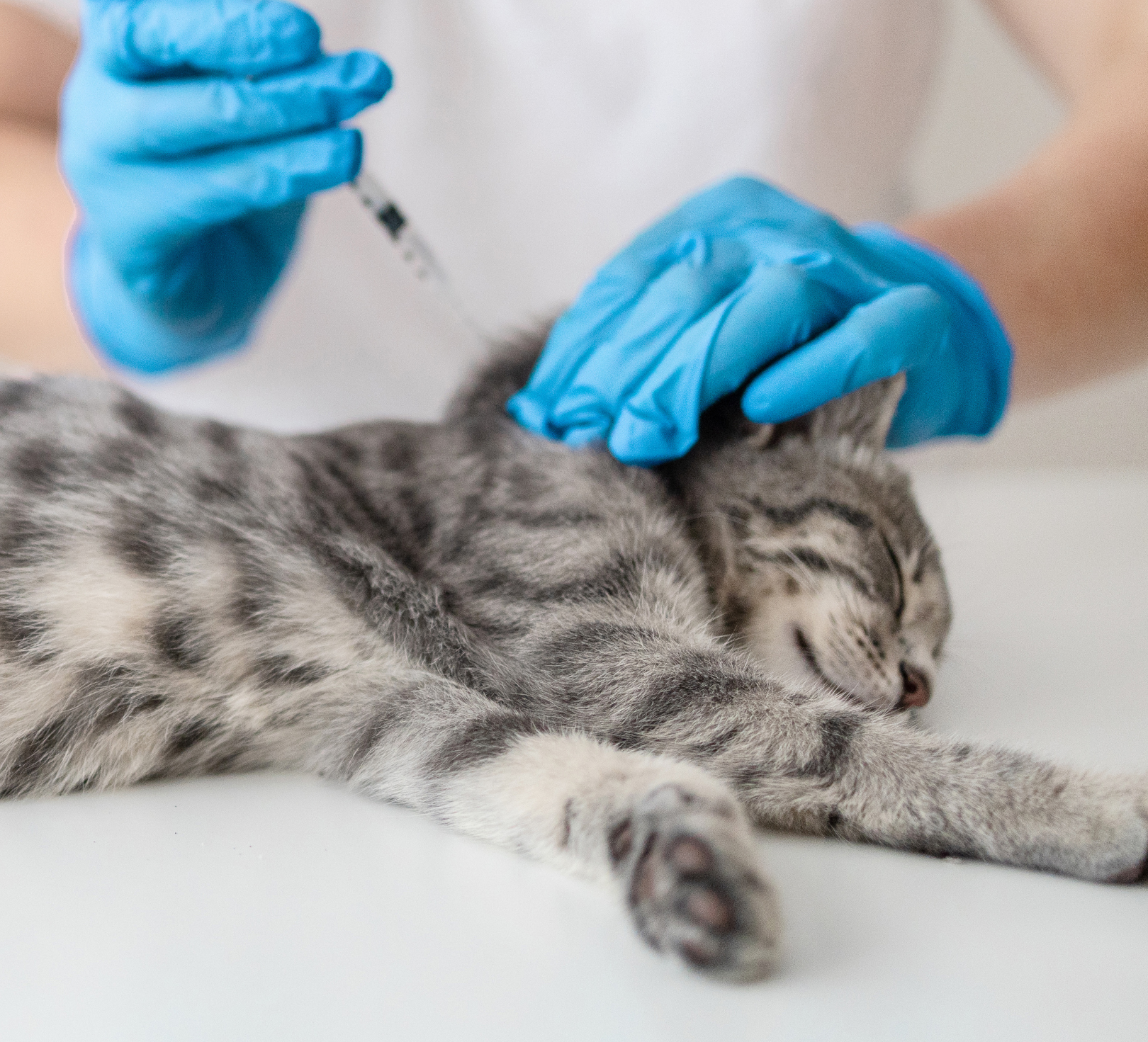
2. Family protection: risks for humans and other animals
Some parasites can also be transmitted to humans or other pets. This includes parasites such as giardia and some types of worms. Preventing cat infestations helps protect the entire family from the risks associated with parasite transmission, especially in homes with children or other pets.
3. Dermatological problems and discomfort: another reason to prevent
External parasites such as fleas, ticks and lice can cause serious dermatological problems in cats. Itching, redness and even skin lesions can occur due to infestation with these parasites. Prevention is essential to avoid discomfort and possible dermatological diseases in cats.
4. Risks of a weakened immune system: serious infestations and complications
Severe parasite infestations can weaken a cat’s immune system, making it more susceptible to other diseases and infections. A weakened immune system can make recovery more difficult and longer, directly affecting your cat’s quality of life. 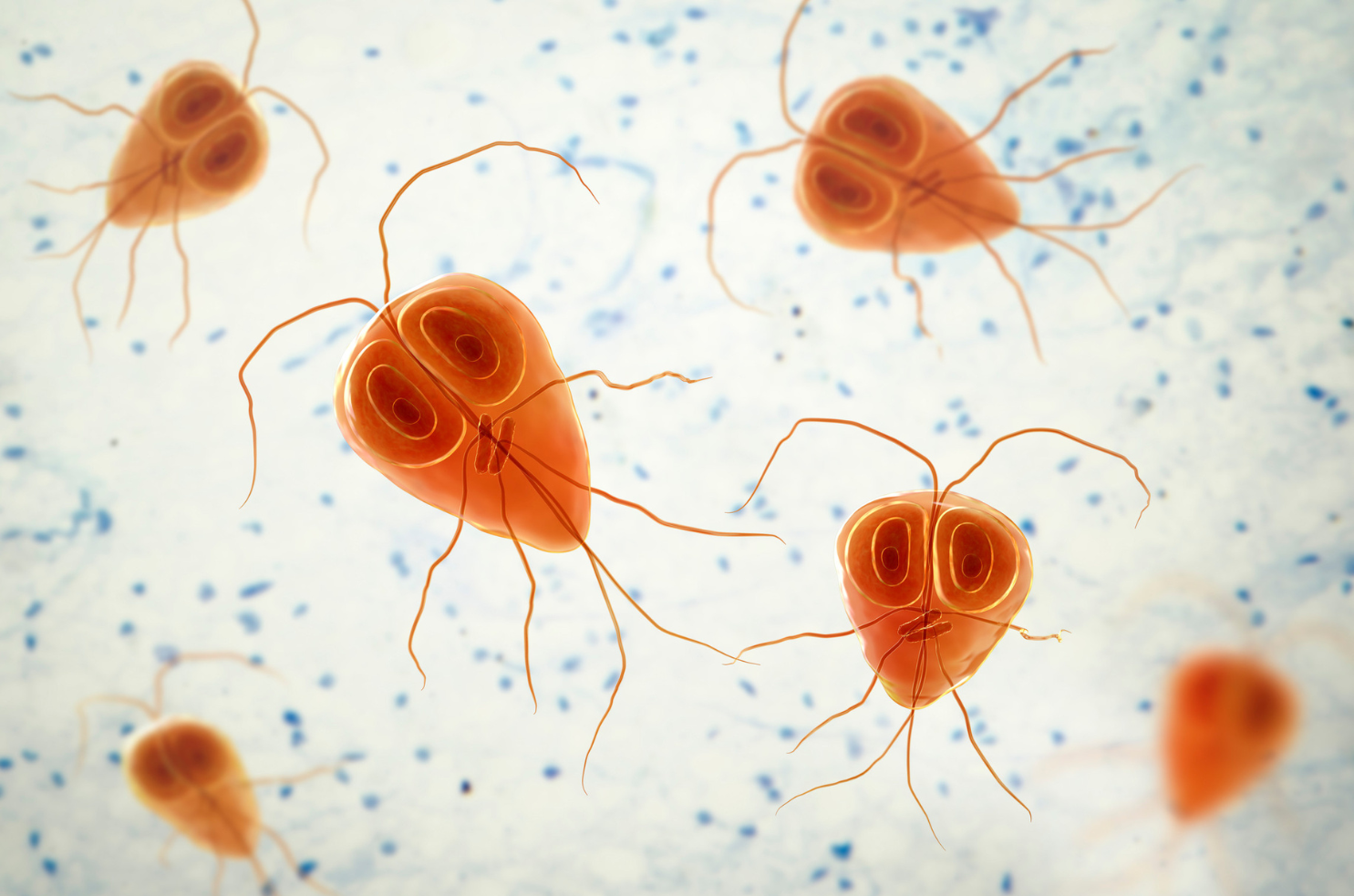
Careful! This is not a minor problem!
Parasite infestation can have a significant impact on a cat’s immune system, weakening it and affecting the body’s ability to respond adequately to infections and other threats.
How parasites can affect a cat’s immune system:
-
A. Decreased resistance to infections:
Internal parasites such as intestinal worms can cause damage to the digestive tract and interfere with the absorption of essential nutrients. This leads to a decrease in the body’s overall resistance, making the cat more vulnerable to bacterial and viral infections.
B. Overactive or suppressed immune system:
Parasitic infestations can cause overactive immune responses or, in some cases, suppress the immune response. This imbalance can create fertile ground for the development of other conditions, as the immune system may not be able to adequately regulate its responses.
-
C. Chronic inflammation:
Parasites can cause chronic inflammation in the body, affecting various organs and tissues. Prolonged inflammation can weaken the immune system and contribute to other health problems.
-
D. Anemia and general weakness:
Parasites, especially those that feed on blood, such as fleas and bed bugs, can cause anemia in cats. Anemia can affect the level of oxygen transported by the blood to the tissues, thus weakening the body and compromising the functioning of the immune system.
Parasitic infestations can create an oxidative stress environment in the body. Oxidative stress is associated with cellular damage and can negatively affect the immune system’s ability to function optimally.
-
F. Interference with the natural inflammatory response:
Parasites can interfere with the body’s natural inflammatory response to infections. This means that the body may have difficulty identifying and neutralizing pathogens, allowing them to multiply and cause more extensive damage.
-
G. Allergic reactions and sensitization:
Some parasites can cause allergic reactions in cats. Allergies can lead to inflammation and affect how the immune system handles other stressors.
-
H. Higher risk of autoimmune diseases:
Suppression of the immune system by parasites can increase the risk of developing autoimmune diseases. In severe cases, the immune system can begin attacking the body’s cells and tissues. 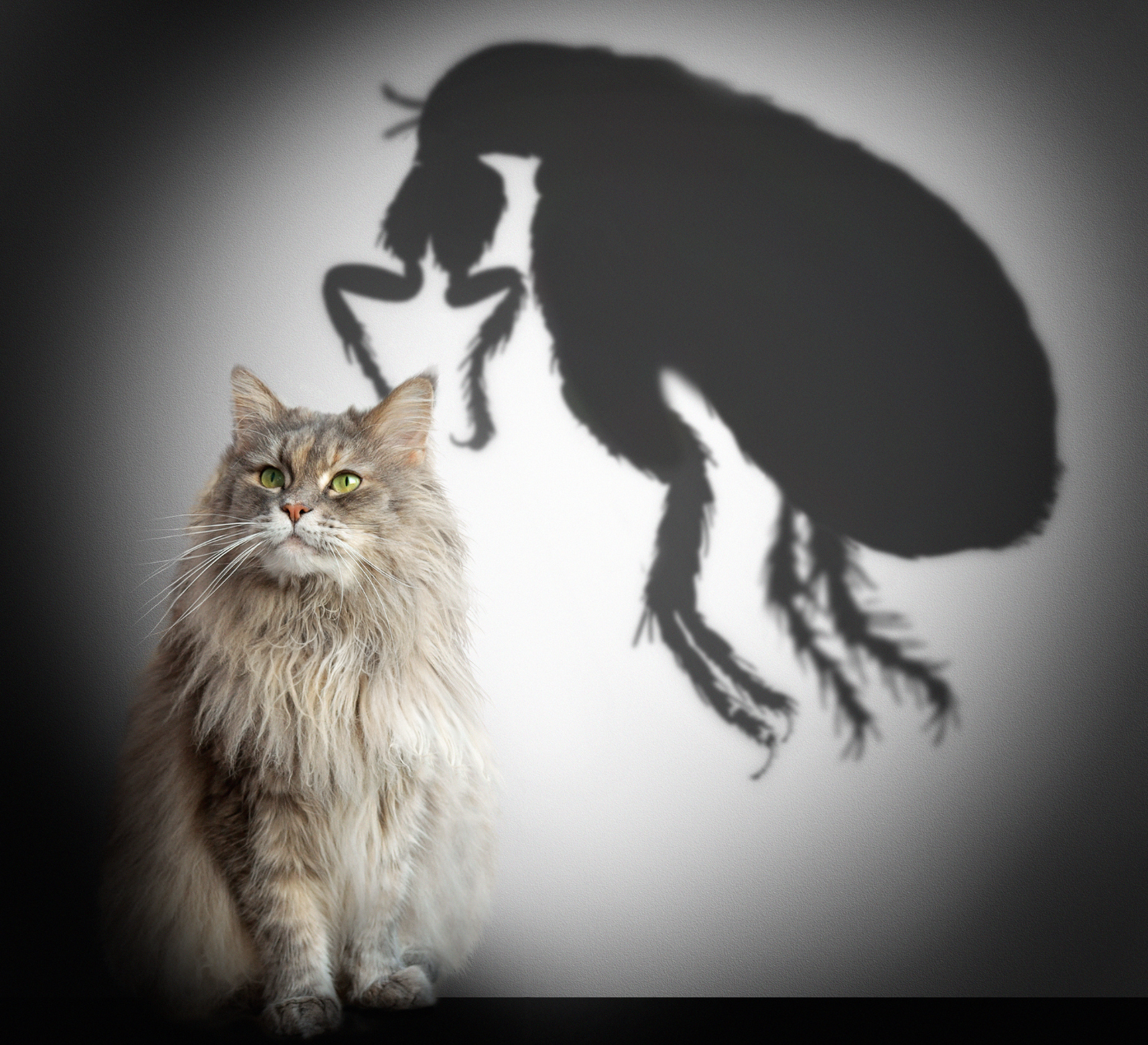
5. High treatment costs: long-term savings
Treating pest infestations can involve significant costs. Anti-parasitic medications, veterinary visits and other expenses associated with managing infections can add financial pressure to cat owners. Through prevention it is possible to avoid these costs, saving money and contributing to the financial well-being of the family.
Check out the article on Therapeutic Benefits of Cats: Better Development and Health of Children.
6. Avoid the problem of recurring infestations: a continuous cycle
Another reason why prevention is key is to avoid a continuous cycle of infestation and treatment. If consistent preventive measures are not taken, recurrent infections may occur. Regular administration of internal and external parasite treatments can break this cycle and protect the cat from the discomforts and risks associated with repeated infestations.
Discover our shop of internal and external pesticides for cats of well-known brands! 
7. Maintain energy and vitality: a life full of play and movement
Active and energetic cats bring joy to our homes. Parasite prevention helps keep your cat’s energy levels high, allowing him to play, explore and live a full life. A healthy, happy pet adds a special dimension to the quality of family life.
Read also the article How to protect your cat from household risks.
8. A closer relationship with the specialist: preventive care
Parasite prevention involves thorough home checks, as well as regular visits to the vet, all for routine evaluations and discussions about prevention strategies. These visits not only promote the cat’s health, but also strengthen the bond between owner and veterinarian, contributing to more comprehensive preventative care.
In conclusion, parasite prevention in cats is essential for their overall health and to protect the entire family. Regular administration of internal and external parasite treatments, maintaining a clean environment and regular consultation with your veterinarian are essential steps to ensure a happy and healthy life for your little feline. Investing in prevention brings long-term benefits, helping to avoid health problems and strengthening the special bond between owner and pet.
latest posts published

Are heatwaves and heatwaves coming? Here’s how to protect your dog

8 activities your dog will love

Your dog can feel happy! Here’s how:

Dog too rebellious? Here are some causes of this behavior

Basset Hound – The nobleman with long ears and a sweet heart

9 dog breeds suitable for mountain trips

Are you going to work or on holiday? Here’s everything you need to do to leave your dog safely at home

How your pet can help you adopt a healthy lifestyle

An iconic breed, much more than a lap dog