
It has been observed that cats and animals in general have a different perception than humans in terms of illness and physical pain. They simply retreat into the safe space and accept the present situation. It can be said that it demonstrates greater adaptability to the environment and an ability to tolerate suffering. At the same time, it continues to provide the organism with what is necessary for survival, such as food or water.
We must carefully follow our pet’s reactions to understand his life principles and how he relates to his surroundings. The cat has a tendency to avoid vulnerable situations, always being on guard against a potential threat. Furthermore, her independent personality is determined by the cautious attitude she displays towards her surroundings. Under these conditions, the owner may not realize that the pet is sick.
What signs does a cat show when it is sick?
Sometimes people don’t even realize that the animal is seriously ill because it has no obvious symptoms. This is why it is advisable to pay special attention when you have a pet around. An emotional closeness develops over time, with commitment and energy on your part. This way you will be able to understand the behaviors and attitudes he naturally displays. The animal must feel comfortable and safe to be free to express itself. However, the cat has a tendency to get as involved as it wants in the relationship with its owner, and any more serious health problems can only be detected by the vet. Observe the animal’s subtle manifestations, body language.
When the cat spends more time in a certain place, is apathetic and lacks agility, it is necessary to pay special attention to it.
1. Lack of appetite
Refusing food can be normal up to a point. Unlike humans, animals accept a quantity of food that ensures the body’s satiety and needs at a given time or for a given interval. Your meal schedule may not match your cat’s. For this reason, careful monitoring of meals is recommended: if the cat refuses a meal from time to time, it is not necessarily a sign of illness, as long as the rest of the meals fall within the standard schedule. Warning signs appear when the cat refuses food altogether or accepts very small quantities. It should be kept in mind that the cat develops serious health problems, such as liver disease, if it is not fed for several consecutive days.
2. Diarrhoea
This manifestation can be the consequence of internal imbalances such as: the lack of nutrients such as minerals and vitamins in food, the presence of intestinal parasites, etc. If diarrhea is left untreated, you will experience dehydration and intestinal problems. Diarrhea causes discomfort in the cat and induces apathy.
3. Weight fluctuations
A normal weight is an indication of the health of the body. When imbalances occur, such as weight loss or gain, it is very likely that the cat has a problem with the functioning of the body. Losing weight in a short time requires urgent intervention, while its increase has negative implications in the long term. Schedule a visit to the vet if you notice severe weight loss. A balanced diet is necessary to avoid accumulating excess kilos and you can prevent obesity. It is known that obesity is one of the most serious problems affecting pets today. Therefore, attention and care towards the animal will ensure its long-term health.
4. Lethargy
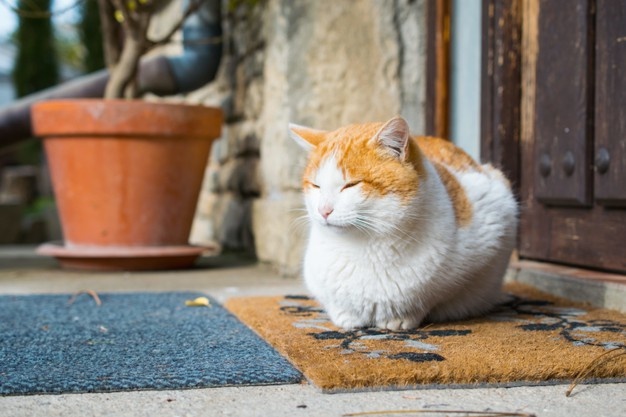
Cats sleep an average of 15 hours a day and some of them can sleep for 18-20 hours. They instinctively conserve their energy and at the same time maintain vigilance. It can be observed that during sleep the cat’s body is positioned so that it can jump in case of an external attack. However, a prolonged state of lethargy can be a warning sign.
5. Increased thirst and frequent urination
This is an indicator that underlies several problems. Thirst or excessive urination usually indicates urinary tract problems, bladder and kidney infections, or even kidney blockage. If this shows increased thirst, further health evaluation is required. If you notice an increase in the amount of urine, too frequent urination intervals or the presence of blood, a visit to the vet is necessary, especially if you have a dog.
6. Skin irritations and hair loss
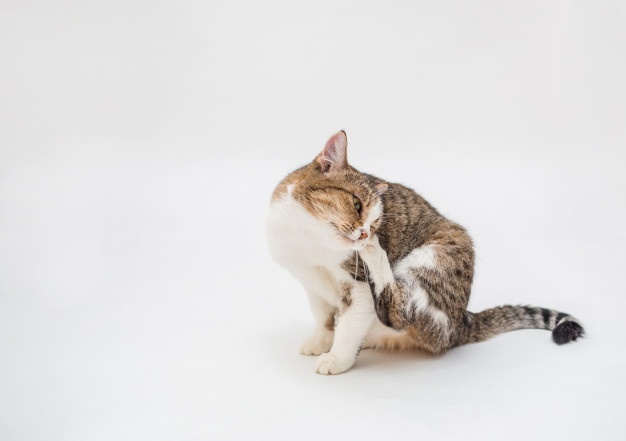
These are signs of allergies, external parasites or skin diseases. Keep in mind that excessive scratching and bleeding causes pain and discomfort to the animal. Your vet can recommend appropriate treatment after a specialist visit.
7. Heavy breathing
Any changes in breathing such as snoring, apnea or jerky breathing should not be ignored. If your cat does not have a normal breathing pattern, it is possible that he is suffering from problems with his lungs or upper respiratory system.
8. Dental problems
Bad breath is a clear sign of oral problems and requires medical consultation. In most cases, oral hygiene is ignored, but it has a greater impact on the overall health of the cat. Bleeding gums or tooth loss can signal nutritional deficiencies. Oral abscesses or infections appear due to the overgrowth of bacteria in the mouth. These can lead to heart disease and affect the kidneys.
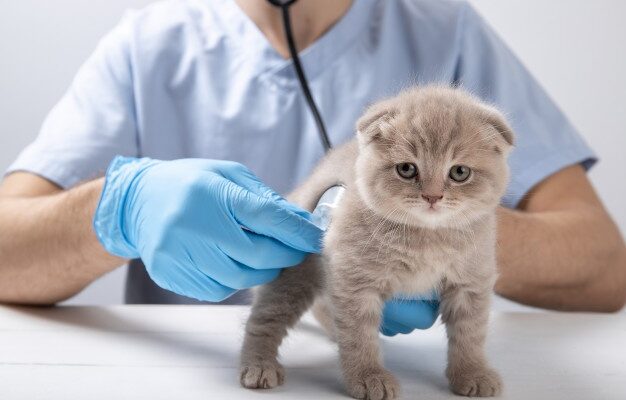
Annual exams are essential for your cat’s comfort. During these visits, the veterinarian observes his general condition. At the same time, it is possible to detect and treat minor health problems. Optimal treatment and your attention will help the cat stay fit and full of energy.
latest posts published

Are heatwaves and heatwaves coming? Here’s how to protect your dog

8 activities your dog will love

Your dog can feel happy! Here’s how:

Dog too rebellious? Here are some causes of this behavior

Basset Hound – The nobleman with long ears and a sweet heart

9 dog breeds suitable for mountain trips

Are you going to work or on holiday? Here’s everything you need to do to leave your dog safely at home

How your pet can help you adopt a healthy lifestyle

An iconic breed, much more than a lap dog