The first historical news concerns the Golden Retriever dog it dates back to the beginning of the 19th century, at a time when the Scottish aristocracy was developing and hunting represented an essential place in the social plan. Firearms were in great demand among hunters who practiced this pastime.
Hunting dogs of the time specialized in hunting on the ground and encountered difficulties when they had to search for fallen birds at long distances. In 1865, Dudley Majoribanks, who later became Lord Tweedmouth, was fond of bird hunting and wanted to create a strong, agile dog with a thin nose, an excellent swimmer and easy to train. Thus, Lord Tweedmouth purchased a golden male from a shoemaker in the city of Brighton, which he took to his estate where he was mated with a female Tweed Water Spaniel (short-haired). This is how this breed was modeled, subsequently crossings were carried out with different breeds such as Terra Nova, Irish Setter or Bloodhound.
This dog first appeared in a dog show in 1908, under the name Golden Flat-Coat, as a large, robust dog. The breed was appreciated for its ability to hunt both on land and in water, hunters admired its athletic qualities and diligence, while family members appreciated its friendly and tender character. In 1911, the breed was recognized as “Retriever-Yellow or Golden” by the Kennel Club and received the final name of Golden Retriever in 1920.
HERE you can also buy super premium food for your Golden Retriever.
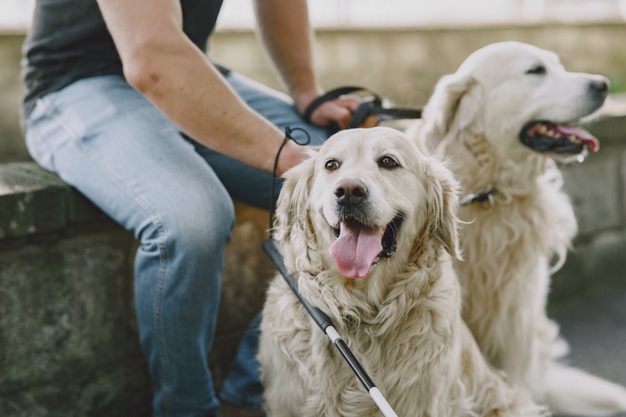
The Golden breed began to grow in popularity both in Europe and in Australia and America, today becoming one of the most loved and appreciated dog breeds in the world. It is recommended for families with children, being an intelligent, docile and protective dog. Over the years, Golden Retrievers have been used as guide dogs for the blind, deaf, or other people with various disabilities due to their intelligence, discipline, and balanced temperament, as well as their ability to understand people very well. They are trained as therapy dogs to bring relief to people in nursing homes/hospitals.
External appearance and dimensions
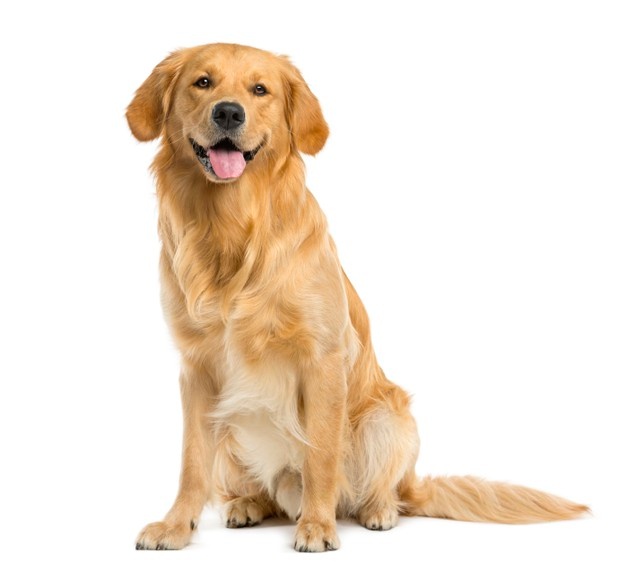
The Golden Retriever is a large, robust, well-proportioned dog, with a relatively round head, wider than long, and eyes in varying shades of cream and gold, with dark eyelashes. The muzzle is conical but broad, with a black nose. The front stop is evident. The ears of this dog are triangular in shape and long up to the level of the jaw, being pendulous. The neck and thighs are muscular, the chest is deep. The tail is long, but never twisted, covered with abundant hair.
The outer coat is thick, dense and soft, although not too silky. The fur is relatively dense. In some areas of the body (chest, thighs, tail) there are tufts of light-colored hair. We recommend daily brushing to avoid trampling and a bath at least once a month.
HERE you can also buy super premium food for your Golden Retriever.
The adult Golden Retriever has a height of 56-61 cm for the male and 51-56 cm for the female with a weight of 27-36 kg for the male and 25-32 kg for the female.
Personality of the Golden Retriever
The dog of this breed is gentle and playful, with a constant good mood and usually adapts well to family life. Although he is not a noisy dog in general, he announces the arrival of visitors. Very easy to educate and train, the Golden Retriever is always patient and kind with children. It is a breed suitable for families with children who own a yard. They are very affectionate and obedient to their owners and extremely intelligent, having the ability to learn commands easily.
HERE you can also buy super premium food for your Golden Retriever.
A Golden Retriever is an intelligent dog, with an excellent memory, silent, sensitive, alert, loving with children. He really likes water, which is why more attention is needed when he is near a space with water. Even if it is a docile dog, it is still a dog that in the past was used for hunting and needs a lot of exercise to stay fit. It needs a lot of care both inside and outside the house.
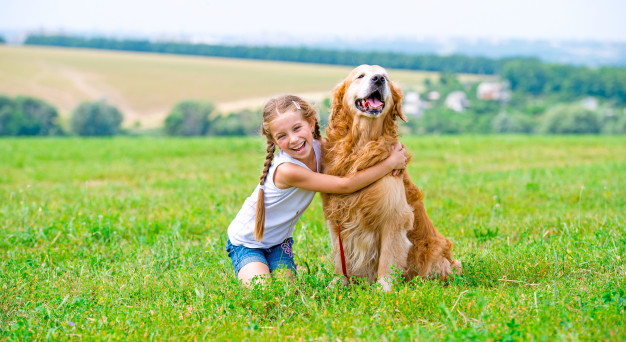
The Golden Retriever loves to interact with children and does not disdain the noises and agitation of the little ones, but particular attention must be paid when children are small because this dog, being large in size, can injure the child while playing. He also gets along well with other pets, especially other dogs. One thing is certain: if left alone for a long time, the dog can end up having a bad mood and becoming disobedient.
Dresaj Golden Retriever
A process of socialization and exposure of the puppy to a variety of people and places is necessary to train and develop its senses. This course also helps the owner to better understand the dog’s actions and correct his bad habits. He is an intelligent dog who does not forget what he learns. Training should be gentle, based on rewards and a variation to get used to different situations. As a dog that needs a lot of exercise, he needs to exercise or walk every day. It can also fit in a closed space (apartment), but requires movement.
Diseases and conditions
The Golden Retriever breed is a breed with low health risks compared to other breeds. Among the diseases that can appear we remember the following:
Hip dysplasia – a malformation of the coxofemoral joint that causes pain, lameness and arthritis
entropion is a condition of the eyelids that causes their free edge to twist inward. Eyelashes at the free edge of the eyelids irritate the surface of the eyeball, potentially causing much more serious problems.
Cataract- it is a condition that involves a loss of transparency of the crystalline lens. This condition, if not treated in time, can lead to vision loss.
Hypothyroidism– it is a condition triggered by the dysregulation of thyroid hormones. This disease can also be cured with daily treatment, the dog can have a normal life.
Gastric dilatation– a sudden state that endangers the dog’s life, associated with the filling of the stomach with air and its twisting.

Quality feed prevents many diseases and helps maintain the animal’s health. HERE you can also buy super premium food for your Golden Retriever.
The life expectancy of this breed is 10-12 years. The female gives birth to 9 to 13 cubs.
latest posts published
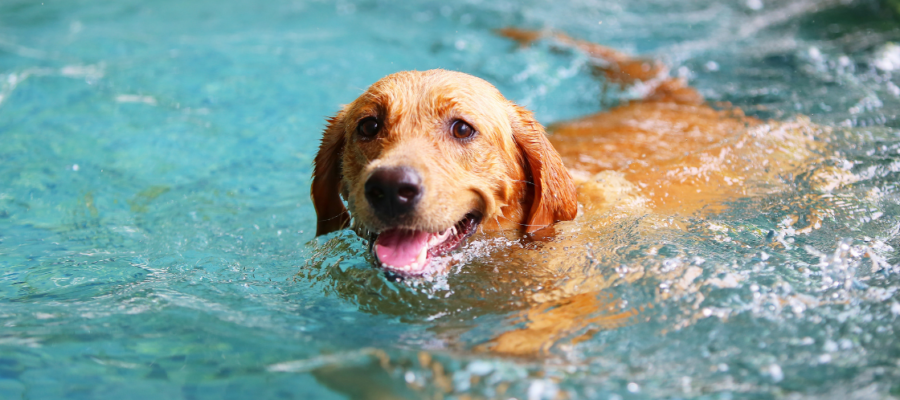
Are heatwaves and heatwaves coming? Here’s how to protect your dog
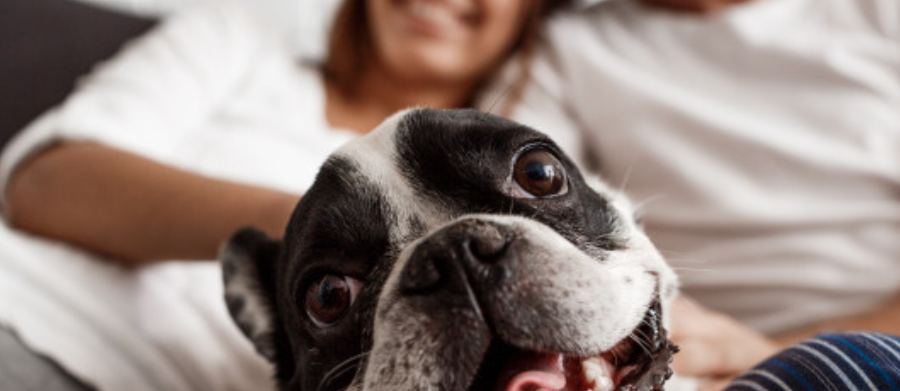
8 activities your dog will love
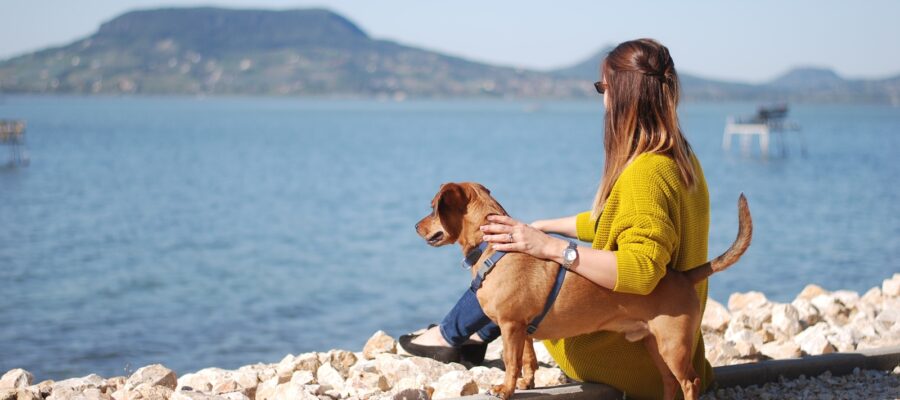
Your dog can feel happy! Here’s how:
Dog too rebellious? Here are some causes of this behavior
Basset Hound – The nobleman with long ears and a sweet heart
9 dog breeds suitable for mountain trips

Are you going to work or on holiday? Here’s everything you need to do to leave your dog safely at home

How your pet can help you adopt a healthy lifestyle
An iconic breed, much more than a lap dog