The best types of litter sand
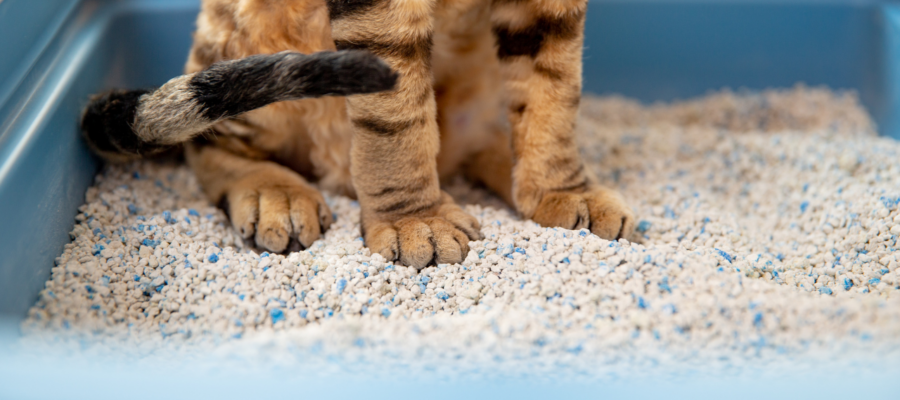
There are different types of litter sand, each with advantages and disadvantages. The right choice depends on your cat’s preferences and your needs for cleanliness and odor.
- Silicate gel type sand – Silica gel sand, such as Figaro Premium Lavenderit is extremely absorbent and able to retain moisture and unpleasant odors for a longer period of time. It does not form clumps, but is long lasting and is ideal for owners looking for a low maintenance solution. Furthermore, its particles are soft on the cat’s paws and do not generate dust, making it suitable for cats with respiratory problems.
- Natural sand (biodegradable) – Made from materials such as wood, corn or recycled paper, this type of litter is environmentally friendly and reduces the risk of cat allergies. Find out for example Cat’s Best Oko Plus Original litter with high-quality active wood fibres technologically they immediately absorb moisture and odors and encapsulate them. Completely natural and without chemical additives.
- Bentonite sand – This type of sand, like Catmania Marseille soapit is highly appreciated for its excellent clumping properties. Bentonite forms solid clumps and has a high odor absorption capacity, making litter box maintenance easier and more hygienic.
- Tofu sand – An ecological and biodegradable alternative, tofu sand, such as Kotix ClassicIt is made from soybean residue and dissolves easily in water. It’s a great choice for those looking for an eco-friendly, dust-free option, ideal for cats with respiratory sensitivities.
Look at our sand and silicate offers here and quickly order what’s right for you! You have dozens of brands, weights and flavors to choose from.
How often should the litter be changed?
Keeping the litter box clean is essential for your cat’s health. A dirty litter box can lead to health problems, including urinary tract infections, or cause the cat to defecate elsewhere in the house.
- Daily dirt removal – If clumping sand is used, it is recommended to remove lumps of urine and excrement daily to maintain a clean environment.
- Complete change of sand – Clumping sand must be completely changed once a month, while non-caking and biodegradable sand must be replaced at least once a week
- Wash the litter – Regardless of the type of sand used, the litter box should be cleaned once a month with warm soapy water to avoid the accumulation of bacteria and unpleasant odors.
Find out how to clean the cat litter box
A. Empty the box once or twice a day.
Clean your cat’s litter box at least once a day. Regular and consistent removal is the most important part of keeping the litter clean and preventing it from forming. This helps keep the box clean and prevents unpleasant odors. It’s also helpful to write down what you find in the litter box as an assessment of the cat’s health, including how often and whether he defecates.
If you have trouble bending over, choose a cat litter scoop with an extended, adjustable handle that will prevent you from having to bend over when removing it.
– Before starting collection, lift one end of the box and tap the side to release any waste collected in the corners or sides. With the angled box you can easily see any stuck waste and remove it before it passes through the rest of the litter box.
– After removing any stuck debris, take a baby or pet wipe to remove any residue from the surface of the box.
– Go from one end of the box to the other, in methodical rows, like clearing snow from a sidewalk. After deleting one line, move on to the next.
– Repeat the operation on the other side, remove any lumps and clean to remove any residue. Then come back and take another time to make sure you’ve removed any lingering particles.
B. Dispose of waste in a suitable container.
After removing the container, all waste must be placed in a suitable container. Waste should end up in a tied bag and thrown in the garbage.
C. Wash hands and arms thoroughly.
After cleaning the cat’s litter box, wash your hands and arms thoroughly. This helps prevent the spread of parasites often found in cat feces. Cat messes and waste are not only disgusting, but potentially harmful to sensitive populations.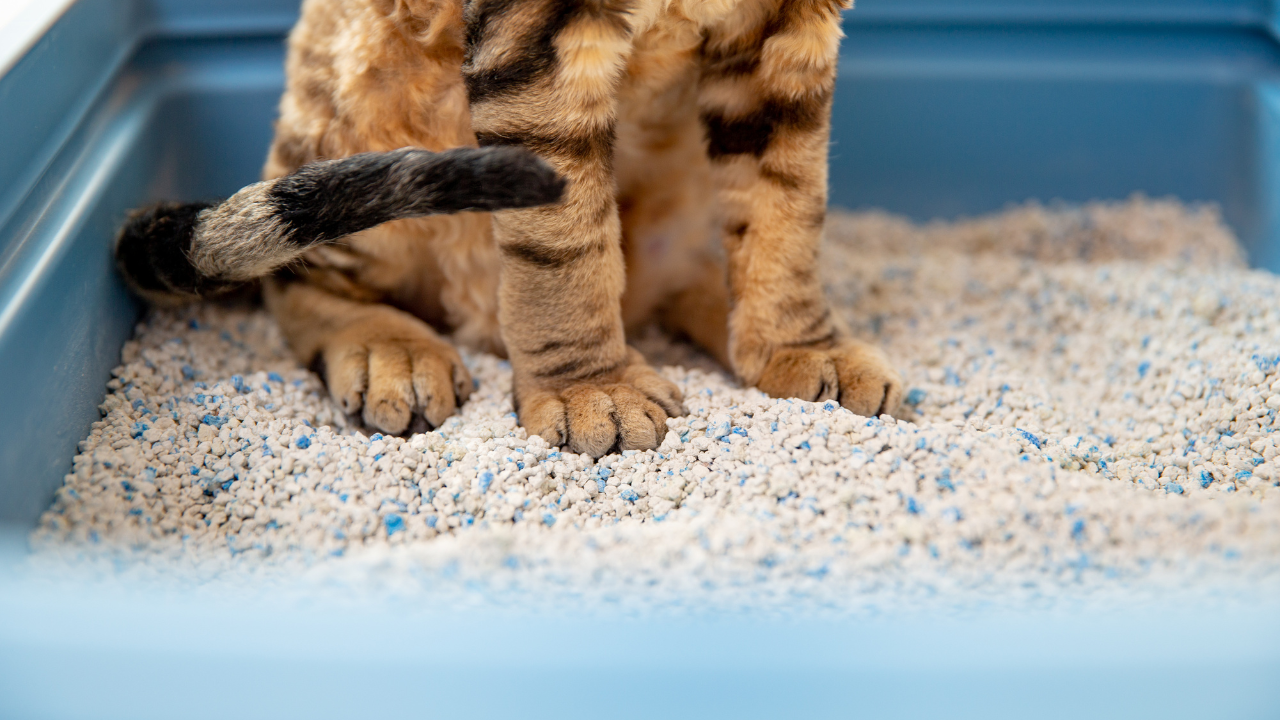
Pregnant women should avoid cleaning cat litter. If this is not possible, use disposable gloves and do not touch anything until you have thrown away the gloves and washed your hands and arms.
Quickly browse the article From fur to… claws: tips for effective cat grooming.
In conclusion, choosing the right litter box and maintaining proper hygiene are essential to your cat’s health and comfort. A clean environment will prevent health problems and ensure a harmonious relationship between you and your feline friend. Pay attention to your cat’s preferences and make sure the litter box is always a welcoming and hygienic place!
Discover the best-selling products in the cat litter and litter category (sand and silicate), in our store.
Read the article too Why is parasite prevention important in cats?
latest posts published
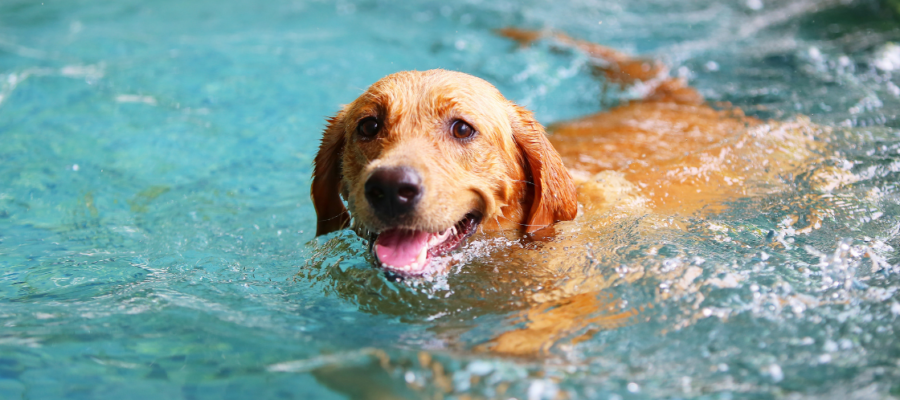
Are heatwaves and heatwaves coming? Here’s how to protect your dog

8 activities your dog will love

Your dog can feel happy! Here’s how:

Dog too rebellious? Here are some causes of this behavior

Basset Hound – The nobleman with long ears and a sweet heart

9 dog breeds suitable for mountain trips

Are you going to work or on holiday? Here’s everything you need to do to leave your dog safely at home

How your pet can help you adopt a healthy lifestyle
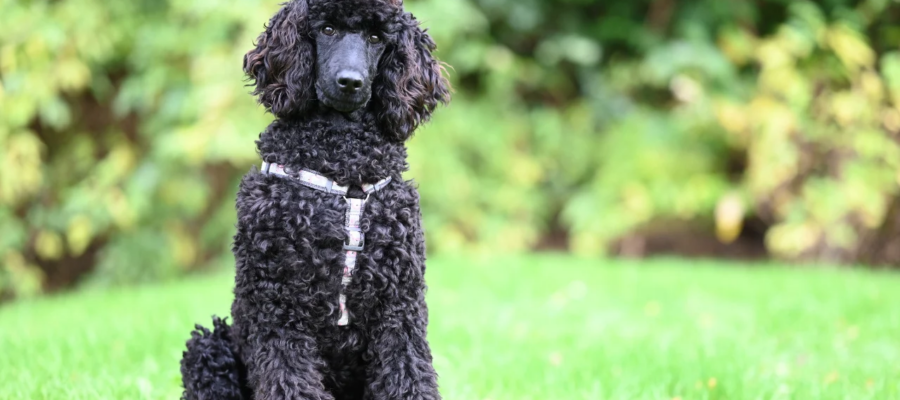
An iconic breed, much more than a lap dog